
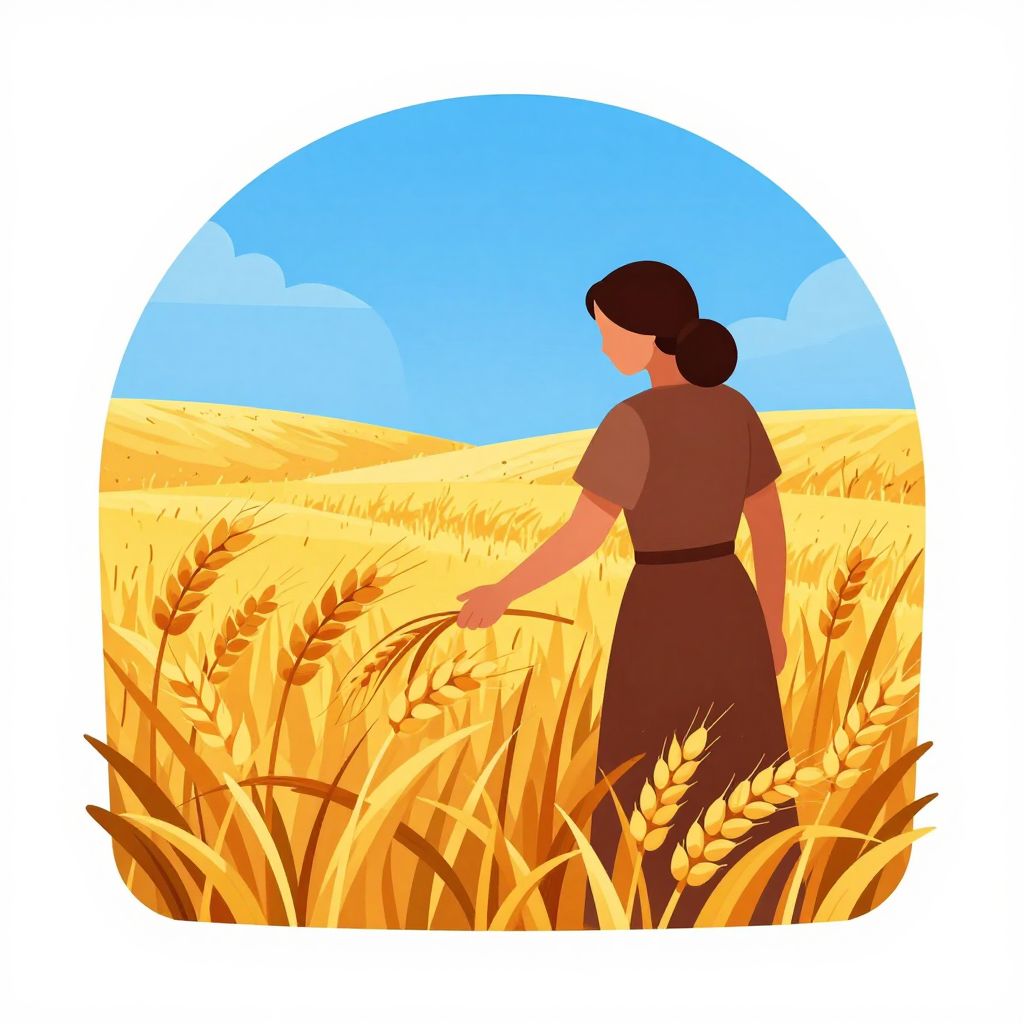
Have you ever felt overwhelmed by the needs of others and wondered how you can help? The biblical practice of gleaning shines a light on practical ways to serve and support those in need. Gleaning offers profound insights about community, compassion, and God’s provision.
This article will explore the concept of gleaning in the Bible, its roots in Scripture, and how it applies to our lives today. Through understanding this practice, one can appreciate the heart of God’s law regarding care for the marginalized and the richness it brings to our spiritual lives.
What Is Gleaning In The Bible?
Gleaning in the Bible refers to the practice of collecting leftover crops from the fields during harvest time. This act allows the poor, widows, and foreigners to obtain food. It serves as a reminder of God’s justice and mercy in caring for the vulnerable.
Scriptural Foundations of Gleaning
Several passages in the Old Testament highlight the importance of gleaning. Leviticus 19:9-10 says, “When you reap the harvest of your land, do not reap to the very edges of your field or gather the gleanings of your harvest. Do not go over your vineyard a second time or pick up the grapes that have fallen. Leave them for the poor and the foreigner. I am the Lord your God.”
These verses establish a divine mandate for generosity. God’s people are instructed to leave some of their harvest behind, directly benefiting those in need. This practice demonstrates a commitment to social justice and community care.
The Story of Ruth and Boaz
The book of Ruth beautifully illustrates gleaning in action. Ruth, a Moabite widow, gleaned in the fields of Boaz to provide for herself and her mother-in-law, Naomi. Ruth 2:2 states, “And Ruth the Moabite said to Naomi, ‘Let me go to the fields and pick up the leftover grain behind anyone in whose eyes I find favor.’”
Ruth not only embraced her situation, but she also took action. Her faithfulness and determination attracted the attention of Boaz, the landowner. Boaz recognized her efforts and sought to protect her, showcasing the values of kindness and hospitality. This story reveals how gleaning not only provides physical sustenance but also creates opportunites for relationship and community.
Theological Significance of Gleaning
Gleaning carries deep theological implications. It emphasizes God’s care for the marginalized and highlights His provision for all people. In Deuteronomy 24:19, the Israelites are reminded to remember their own history and the Lord’s deliverance when they harvest, thus encouraging a spirit of compassion. “When you harvest your crops and forget to bring in a bundle of grain, don’t go back to get it. Leave it for the foreigners, the orphans, and the widows. Then the Lord your God will bless you in all you do.”
This connection between remembering one’s need and helping others enforces the idea that community thrives when everyone takes part in caring for one another. It reflects a model for understanding our resources as gifts to share rather than possessions to hoard.
Applying Gleaning in Modern Life
Understanding gleaning’s significance inspires us to practice it in various ways today. Several real-life applications emerge when reflecting on how to embody this principle.
Practicing Generosity
Gleaning naturally leads to generosity. We can follow God’s example by sharing our resources with those in need. Whether through financial support, food donations, or time spent volunteering, practicing generosity reflects the heart of God.
Consider the following ways to implement generosity in your life:
- Identify excess: Assess areas where you can share excess resources, such as clothing, food, or finances.
- Volunteer: Find local organizations serving the needy and offer your time. It could be a food bank, soup kitchen, or community outreach program.
- Support the cause: Make a habit of donating to missions or charitable events that address poverty in your community.
Creating Community Engagement
Gleaning emphasizes the importance of community. Forming connections with those around us cultivates a spirit of support. Building a community that supports each other aligns with the purpose of gleaning.
Ways to engage your community include:
- Host gatherings: Invite friends and neighbors to meal-sharing events, and foster relationships that extend beyond the dinner table.
- Form service groups: Team up with friends to volunteer at local charities and serve together.
- Be present: Initiate conversations with neighbors and be attentive to their needs; sometimes those in need are closer than we think.
Advocating for Justice
Gleaning promotes a call for justice within society. Advocating for the marginalized and addressing systemic issues is crucial for living out a faith that honors God. Reflect on how you can contribute to justice for the underserved.
Here are ways you can take action:
- Educate yourself: Learn about local justice issues, including poverty and homelessness.
- Raise awareness: Use social media or community forums to discuss and advocate for resources and support systems for those in need.
- Engage in policy change: Work with local organizations to address structural problems hindering access to necessary resources.
The Heart of Gleaning
Gleaning reveals God’s heart for the lost and broken. It illustrates how He entrusts His people with the stewardship of resources. As gleaners in today’s world, we reflect God’s character through acts of mercy.
Gleaning as a Form of Worship
When we engage in the practice of gleaning, we participate in a form of worship. Acts of service and kindness exemplify our love for God and His creation. Matthew 25:40 reminds us, “The King will reply, ‘Truly I tell you, whatever you did for one of the least of these brothers and sisters of mine, you did for me.’”
Worshiping through service transforms our hearts. It shifts our focus from ourselves to the needs of others, leading to profound spiritual growth.
Gleaning as Spiritual Discipline
Incorporating gleaning into one’s life also cultivates spiritual discipline. It requires intentionality and sacrifice but leads to a deeper reliance on God. Embracing this practice prompts reflection on our reliance on God’s provision.
Consider these spiritual disciplines related to gleaning:
- Gratitude: Acknowledge all that God provides, recognizing your blessings daily.
- Prayer: Intercede for those in need and ask God for guidance in how to serve.
- Fasting: Temporarily giving something up can lead to awareness of others’ struggles and prompt action.
Barriers to Gleaning
While gleaning promises blessings, various barriers may hinder this practice. Identifying these obstacles is key to overcoming them.
Self-Sufficiency
Many believe they are self-sufficient and do not need the help of others. This mindset limits the ability to glean since it breeds a sense of isolation. The fact is, we are all dependent on God and one another. Acknowledging our interconnectedness allows us to embrace the community.
Fear of Rejection
The fear of rejection often stops individuals from reaching out. Many hesitate to approach others in need or seek help themselves. Overcoming this fear requires faith and trust in God’s provision. Remember that vulnerability fosters connection.
Complacency
Complacency discourages action. When one becomes comfortable, the urgency to help others diminishes. Maintaining awareness of community needs pushes one to respond and act rather than stand by and watch. Ask yourself: what are the needs surrounding you, and what can you actively do to help?
Conclusion
Gleaning in the Bible serves as a rich metaphor for living generously and thoughtfully. It calls us to embody compassion, justice, and care for the marginalized. As you reflect on this practice, consider how it informs your life and stimulates growth in your faith.
Embrace the call to be a gleaner in your community. Engage in acts of service, advocate for justice, and remember God’s abundant provisions. Together, we can build a supportive and loving environment that mirrors God’s heart for His people.
Explore more faith-based topics and articles, such as what the Bible says about the poor and what the Bible says about working hard. These resources will deepen your understanding and encourage you in your journey of faith.