
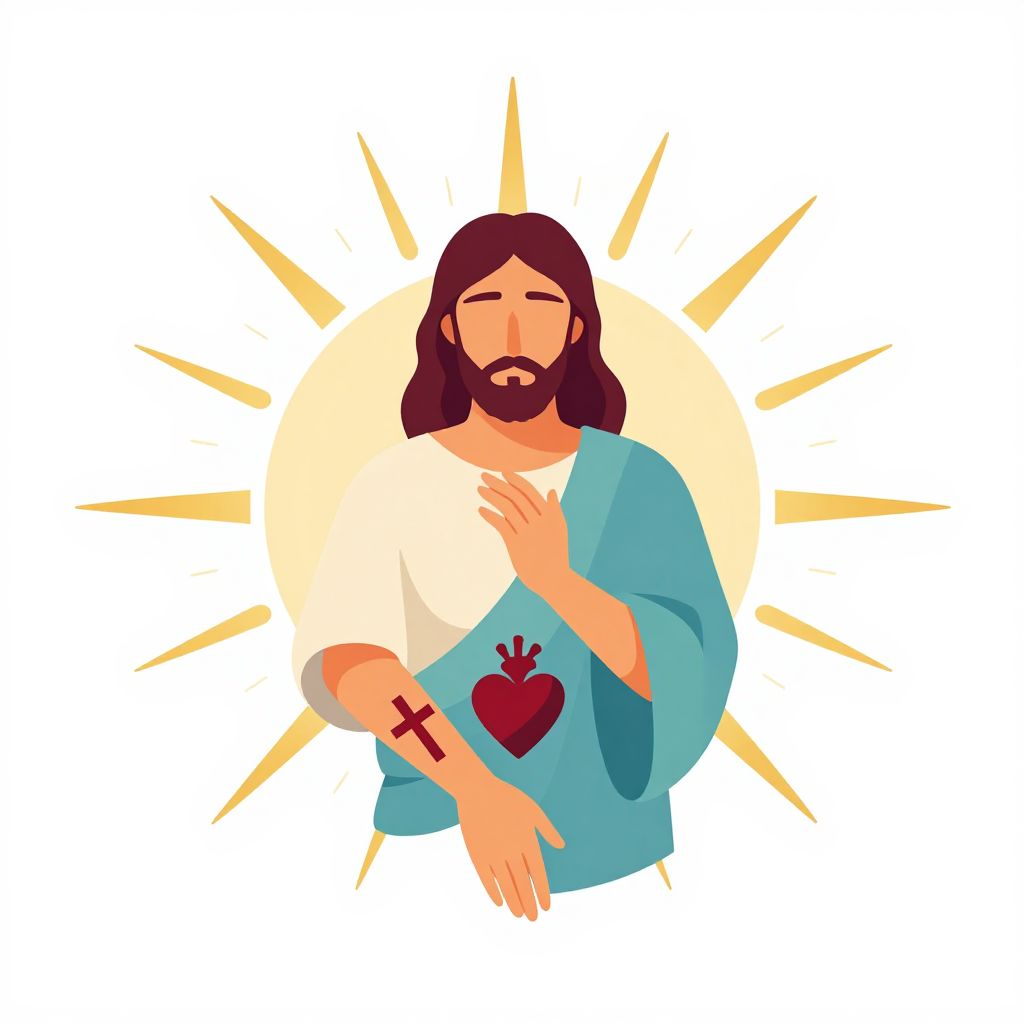
Have you ever found yourself wondering about the things that mark us as individuals? Questions about tattoos often reveal deeper reflections on identity and belonging. Scripture addresses many aspects of life, including the significance of our bodies as temples of the Holy Spirit. One intriguing question arises: does Jesus have a tattoo? Understanding this can provide insight into His identity and how we perceive Him.
This exploration leads us to consider the imagery within Scripture and the cultural context of Jesus’ time. Revelation 19:16 calls Jesus the “King of Kings and Lord of Lords,” but does this verse suggest that He bears a physical tattoo? Answering this question matters because it prompts us to reflect on our own views of self-expression and how we understand God’s likeness in us.
Does Jesus Have A Tattoo?
No, Jesus does not have a tattoo in the sense that we understand in contemporary culture. However, the Book of Revelation describes a significant mark associated with Him. Revelation 19:16 reads, “On His robe and on His thigh, He has this name written: king of kings and lord of lords.” While the phrasing suggests a marking, it is not a tattoo as popularly seen today.
The Cultural Context of Tattoos
Tattoos have been a form of expression across cultures for centuries. In Jesus’ time, tattoos were not prevalent among Jewish people due to Levitical laws. Leviticus 19:28 explicitly states, “Do not cut your bodies for the dead or put tattoo marks on yourselves. I am the Lord.”
This prohibition reflects a cultural and religious identity, emphasizing the sacredness of the human body. Understanding this helps us grasp why tattooing as a practice would hold different meanings in various contexts.
The Imagery of Revelation 19:16
The phrase in Revelation about Jesus having a name written on His thigh speaks to His authority and kingship. This reference does, however, evoke questions about His identity. It symbolizes His role rather than presenting a physical characteristic.
Jesus stands out as the great warrior king. This is not a tattoo intended for aesthetic purposes. It conveys His position and divine authority. The imagery isn’t about permanence but about His victories and His sovereignty.
Understanding Identity in Christ
The conversation about tattoos and markings leads to reflections on identity. How does society’s interpretation of tattoos affect our understanding of who we are in Christ? Consider that as followers of Jesus, our identity is rooted in Him, not in visible marks.
Your Body as a Temple
1 Corinthians 6:19-20 reminds believers that our bodies are temples of the Holy Spirit. This truth calls us to treat our bodies with honor and respect. When evaluating decisions about tattoos, it’s essential to reflect on whether those choices honor God and align with our identity in Him.
Reflective questions can guide this process: Is this marking a reflection of my identity in Christ? Does it promote the values of faith, love, and service? Being intentional allows us to align our actions with our beliefs.
Individual Expression vs. Cultural Pressure
Cultural trends can shape the desire to express oneself visually. Christians face moments to discern whether their choices mirror societal expectations or reflect their faith. Galatians 1:10 challenges believers to evaluate whose approval they seek: “Am I now trying to win the approval of human beings, or of God?”
Striving for approval can lead to decisions we later question. Believers should focus on an identity rooted in Christ, which liberates from cultural pressures. Ask yourself: Am I expressing who I am in Christ, or am I conforming to external expectations?
The Heart Behind Our Choices
Decisions about tattoos or body markings often flow from deeper motivations. Understanding the heart behind such choices is crucial. Proverbs 4:23 encourages keeping a close watch on the heart because it directs our paths.
What Motivates a Tattoo Choice?
Consider these motivations for getting a tattoo:
- Expression of personal beliefs or experiences
- Marking significant life events, such as births or losses
- Connection to cultural or family heritage
- Desire to fit into or rebel against societal norms
Reflecting on these motivations can clarify whether the choice aligns with faith and spiritual values. Does the tattoo communicate a truth about your journey with God, or does it fulfill an external desire that fades?
Judgment and Discernment
If one feels called to tattoo themselves, it’s essential to approach this choice with prayer and discernment. Romans 14 encourages believers to refrain from judging others for their choices, especially when those choices don’t contradict Scripture.
Personal conviction plays a significant role. Have you considered how your decisions might influence others’ perceptions of faith? Live authentically, and be ready to discuss your choices as expressions of your journey in Christ.
What Jesus Represents
As we dig deeper into the identity of Jesus, understanding who He is shapes our understanding of self. Revelation 19 paints a striking image of Jesus as a conquering King. His authority and victory over sin transcends any cultural marking.
The Power of His Name
In Revelation 19:16, the name of Jesus signifies His power and purpose. He is our Savior, worthy of worship. When thinking of the name written on His robe, consider the significance of names in Scripture.
Names define identity and destiny. Reflecting on God’s character throughout Scripture reveals much about how He sees us. How does that shape your understanding of personal markings or identities?
Christ’s Identity and Ours
Walking in the light of Christ’s identity gives believers a sense of belonging. Ephesians 2:10 reminds us that we are God’s handiwork, created for good works. This truth can lead to a deeper sense of purpose than any external marking might provide.
Consider this: how do you perceive your identity in Christ? Allow Scripture to define you rather than the opinions of others or cultural trends.
Living as Reflections of Christ
The call for Christians is to reflect Jesus in all aspects of life. Our choices should manifest His love and grace. Whether or not one chooses to have a tattoo, the focus remains on honoring God through personal expression.
Your Choices as Witness
Engaging in thoughtful discussions surrounding tattoos creates opportunities for sharing faith. Lives transformed by Christ become powerful testimonies. Be intentional about living as a light in a world seeking meaning.
Ask yourself: how can my choices—tattoos or otherwise—point others to Christ? Every decision provides a chance to glorify God.
Balancing Preference and Conviction
Personal preferences regarding tattoos vary widely among Christians. It’s essential to balance individual expression with the convictions of faith. Seek wise counsel and pray for discernment in choices.
Consider how personal preferences interact with your beliefs. Could what may seem insignificant have spiritual implications? Each choice becomes part of your testimony representing Christ.
Summary of Key Takeaways
The question of whether Jesus has a tattoo can lead to deeper insights about identity and choices in our lives. Revelation 19:16 speaks of Jesus’ authority, but does not present a tattoo in the contemporary sense. Understanding the implications of body markings invites thoughtful reflection on spiritual identity, biblical truth, and personal expression.
Examine motivations behind decisions about tattoos or marks on the body. Seek to align choices with God’s purpose for your life. Ultimately, prioritize your identity in Christ above all cultural trends.
A Call to Reflect
In light of all these reflections, consider a prayer of commitment. Ask God for guidance as you navigate choices regarding identity and expression. Embrace the truth that your worth comes from being created in His image.
Allow this understanding to inform your actions and conversations. Encourage others through your journey of faith, pointing them toward the truth of Jesus.
As you contemplate these principles, explore more faith-based topics. Discover what Scripture says about Jesus by visiting what does the Bible say about Jesus. If you’re curious about His humanity, check out is Jesus a man?.