
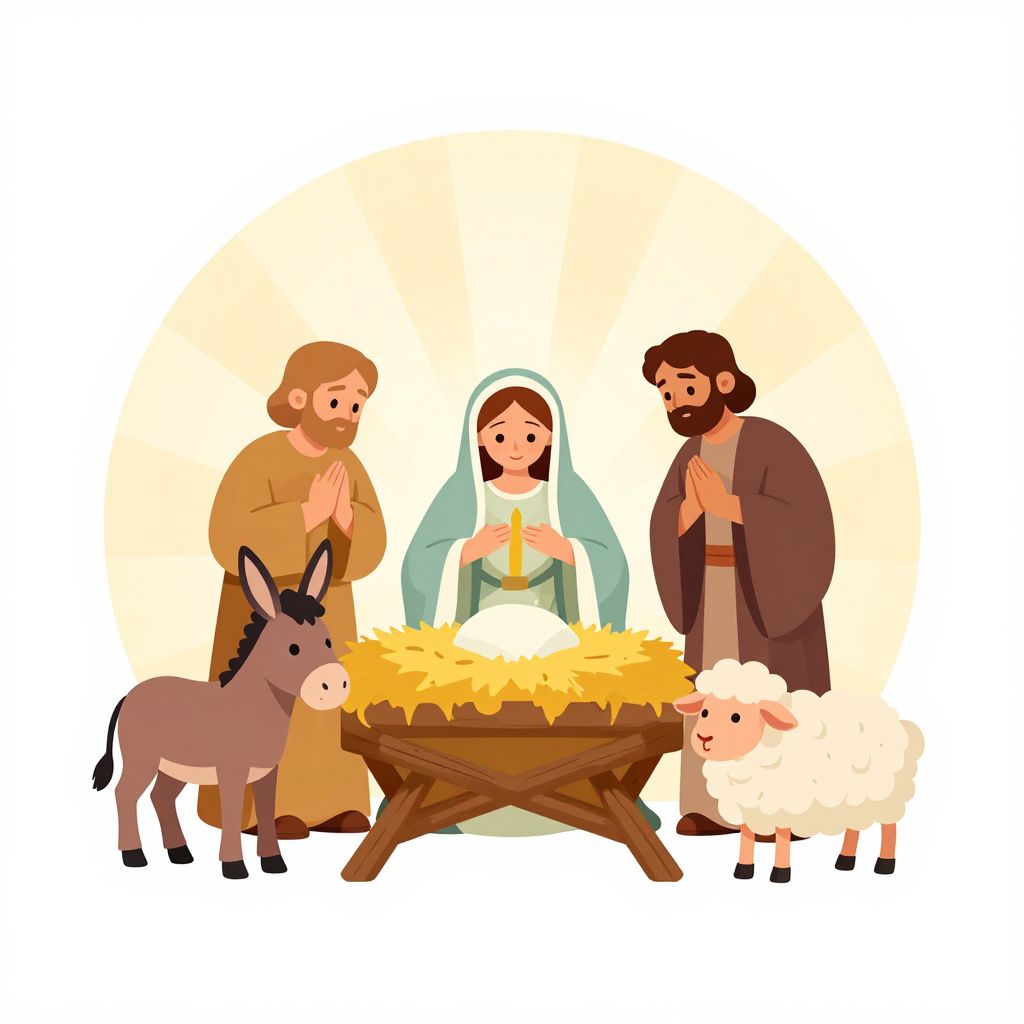
Have you ever wondered why the King of Kings entered the world in the humblest of circumstances? The birth of Jesus in a manger raises profound questions about God’s character and His way of interacting with humanity. Understanding the significance of this moment in history is key to grasping the heart of the Gospel.
Jesus was born in a manger to reveal the depth of God’s love and humility. This choice provides us with essential insights into God’s nature and His plan for salvation, highlighting themes of accessibility, humility, and the overturning of worldly expectations.
Why Was Jesus Born In A Manger?
Jesus was born in a manger to emphasize His humility, accessibility, and the radical nature of God’s kingdom. This setting was deeply symbolic, presenting the Messiah not as a ruler in luxury but as one who identifies with the lowly and the outcast.
The Humility of Christ’s Birth
In Philippians 2:6-8, Paul writes that Jesus, though in the form of God, did not consider equality with God something to cling to. Instead, He emptied Himself, taking on the form of a servant. His birth in a manger illustrates this radical humility.
The manger serves as a stark contrast to worldly expectations of power and privilege. Have you ever felt that societal status determines worth? Jesus shattered this notion. He came as a vulnerable child, born into a working-class family, all while the powerful Roman Empire ruled.
A Symbol of Accessibility
Jesus’ birthplace in a stable signifies that He is accessible to everyone. In Luke 2:10-12, the angels announced His birth to shepherds, the lowliest of society, emphasizing that the Savior came for all, including those deemed insignificant.
This choice invites reflection: how often do we overlook those in humble circumstances? Jesus’ life challenges us to reach out to those on the margins. It asks us to embrace the heart of the Gospel, which is open to the lost, the broken, and the outcast.
God Reverses Expectations
The arrival of Jesus in a stable symbolizes the turning of worldly values upside down. Isaiah 55:8-9 reminds us that God’s thoughts and ways differ vastly from ours. In our human logic, we might expect a king to be born in a palace, adorned with luxury.
Jesus challenges this expectation. His humble beginnings signify that greatness in the kingdom of God often comes in unexpected forms. Who has God placed in your life that fits the “unconventional” mold of His work?
The Role of the Manger in the Christmas Story
The manger itself plays a crucial role in the narrative of Christ’s birth. It is more than just a feeding trough; it becomes a symbol of the new life Jesus offers. Just as animals feed there, souls feast on the truth and grace He brings.
The manger acts as a cradle for Jesus, symbolizing the beginning of God’s redemptive plan. In John 6:35, Jesus declares, “I am the bread of life.” This connection runs deeply — the Savior of the world begins His story in a place meant for feeding animals.
Consider this: how often do we seek fulfillment in things that do not satisfy? Jesus invites us to find our sustenance in Him alone.
Mangers are places where the rejected are often found. By being born here, Jesus identifies with all who feel marginalized. This speaks directly to God’s heart for those who suffer and struggle. In Matthew 11:28, Jesus invites all who are weary and burdened to come to Him for rest.
Would reaching out to those around us who feel left out change the way we see our community? Reflect on how you can embody Christ’s love to those who often go unnoticed.
The manger reflects God’s radical love for humanity. His choice to come into the world in such fragile circumstances demonstrates that love is often found in vulnerability.
Human love often seeks comfort and success, but God loves through sacrifice and simplicity. Romans 5:8 states that “God demonstrates His own love for us in this: While we were still sinners, Christ died for us.” This birth and ultimate sacrifice challenge the very essence of human-centered love.
How does this understanding of love shift your perspective on your relationships? Do you approach them with this same sacrificial love?
The humble birth of Jesus invites us into God’s redemptive story. God didn’t choose a wealthy or influential family for Christ’s earthly lineage. Instead, He selected Mary and Joseph, a young couple with no wealth or status.
This serves as a reminder that God often calls the unlikely to accomplish His purposes. In 1 Corinthians 1:27, Paul writes that God chooses the foolish things of the world to shame the wise. Who might God be calling you to partner with to share His love?
The birth of Jesus in a manger also fulfills prophetic expectations from the Old Testament. Micah 5:2 foretold that the Messiah would come from Bethlehem, validating God’s sovereignty in selecting this seemingly insignificant place.
Jesus’ birth in Bethlehem was part of a divine plan orchestrated long before His arrival. God speaks through the prophets, weaving a storyline that leads to Jesus’ humble beginnings. This highlights God’s sovereignty and ability to fulfill His promises.
Reflect on this: how often do we question God when things don’t go as planned? Can we trust in His faithfulness even when the path seems unclear?
God often uses ordinary circumstances to accomplish extraordinary things. The mundane setting of a stable transformed into a holy birthplace. In the same way, God can take the ordinary aspects of our lives and infuse them with purpose and meaning.
How might God be inviting you to see the extraordinary within your routine? Are there opportunities to serve or witness His work in your everyday activities?
Jesus’ birth in a manger has profound implications for our spiritual journey. It invites us to examine our hearts and how we approach God. His entry into the world challenges us to consider humility and accessibility in our relationship with Him and with others.
The manner of Jesus’ birth sets an example for us. If the King of Heaven was born in such lowliness, how much more should we embrace a spirit of humility? Philippians 2:4 challenges us to look to the interests of others.
In what ways can you practice humility in your daily life? Perhaps it begins with listening more and speaking less.
Jesus’ birth in a manger teaches us that God is always near, ready to meet us where we are. Nothing is too small or insignificant for God to care about. This accessibility leads us to personalize our faith.
Have you felt distant from God? Consider how His humble birth reveals that He desires a personal relationship with you, right where you are.
The setting of Jesus’ birth impacts our understanding of Christmas and the essence of this season. It beckons us to reflect on what really matters during this time.
In a culture that often equates Christmas with consumerism, the manager challenges us to refocus our hearts on the true meaning of the season. Instead of seeking extravagant gifts, we celebrate the greatest gift — Jesus Himself.
What practices can you adopt this Christmas to keep Jesus at the center? Perhaps focusing on acts of service or finding ways to celebrate simply would be meaningful.
Mangers symbolize simplicity, reminding us that we don’t need grandeur to experience the presence of God. Jesus invites us to lay down our burdens and find rest in Him. Matthew 11:29 encourages us to learn from Him, for He is gentle and lowly in heart.
How can simplicity bring deeper joy and peace this season? Consider what you might take away to create space for what truly matters.
The story of Jesus’ birth in a manger functions as a profound lesson about humility, accessibility, and God’s grand narrative of love. It reshapes our expectations and calls us to embrace the lowly and the humble.
Jesus being born in a manger invites each of us to celebrate the radical nature of God’s love and embrace humility. This Christmas, may we reflect on the extraordinary significance of the simplest beginnings. Let us commit to sharing the love found in the manger and the hope it offers to a waiting world.
If you desire to explore more faith-based topics, consider reading about the city of Jesus’ birth or understand how Jesus is the reason for the season. Each article invites you to discover the depth of God’s narrative in our lives.
1 thought on “Why Was Jesus Born in a Manger? (Biblical Reason Explained)”