
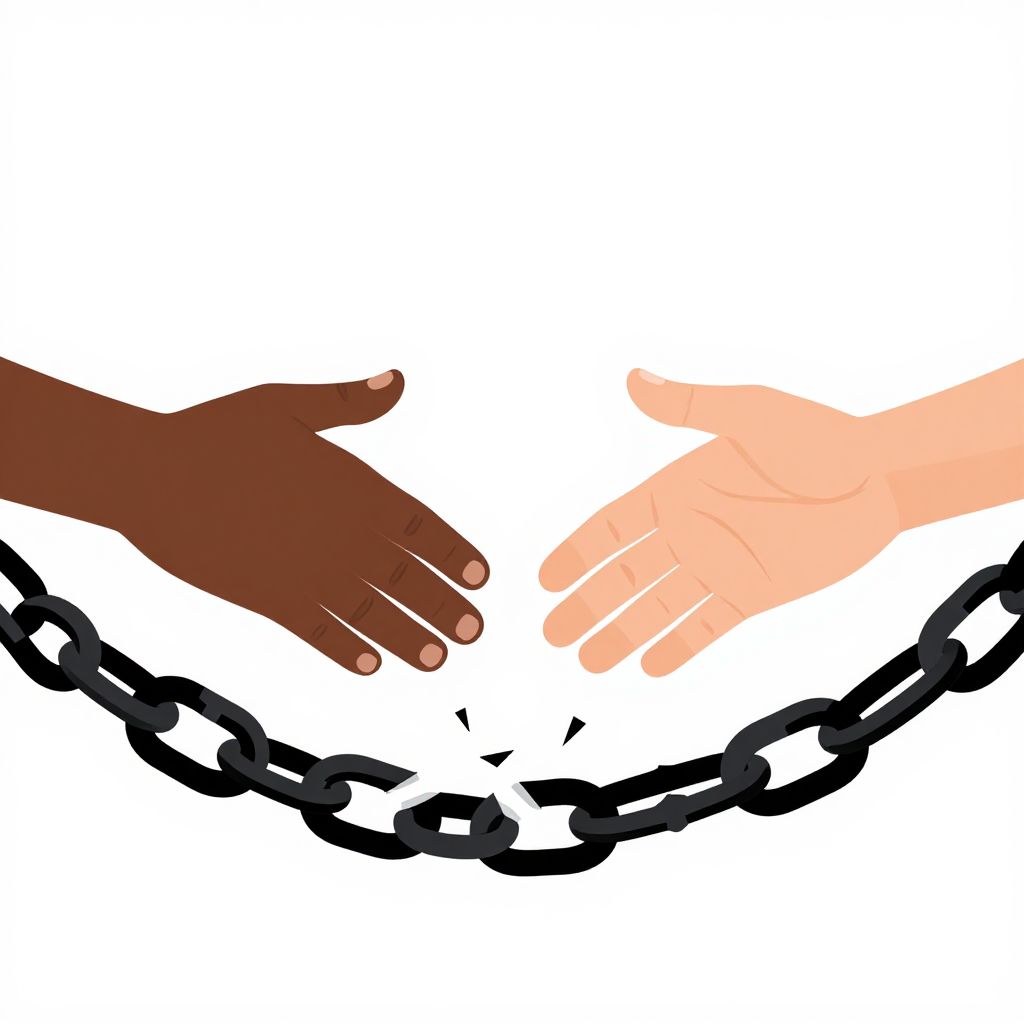
Do you find yourself wrestling with troubling passages in Scripture about slavery? You are not alone. Many seek clarity on how the Bible relates to this unsettling topic, especially when trying to reconcile the teachings of Jesus with historical practices. Understanding what the Bible says about slavery is crucial for grasping God’s heart for justice and humanity.
This exploration reveals that the Bible does not endorse slavery as we understand it today. Instead, it speaks to a different context that highlights God’s ultimate will for freedom and dignity for all people, shedding light on how Christians should live out their faith in light of these truths.
Does The Bible Support Slavery?
The Bible does not support slavery in the sense of endorsing the practice as inherently good or acceptable. Although it contains laws and references to slavery, these reflect the cultural context of ancient times. Scripture ultimately advocates for love, justice, and the inherent value of every individual.
Understanding Biblical Context
To grasp the nuances of slavery in the Bible, one must consider the historical and cultural backdrop. Ancient slavery differed significantly from the modern perception of slavery. It often involved debt servitude, where individuals would work to repay debts rather than enduring systemic exploitation.
In biblical times, families might sell themselves into servitude to survive. This arrangement provided a level of security, unlike the brutality associated with slavery in later centuries. However, Scripture always emphasizes dignity, even for servants.
Key Scripture Passages
Several verses address slavery directly, allowing insight into how God views human relationships. Notable passages include:
- Exodus 21:2-6: These verses outline regulations for Hebrew slaves, showing that they could be freed after six years of service. This highlights a progression towards eventual release and the importance of treating individuals with kindness.
- Leviticus 25:39-43: This passage emphasizes fair treatment and the idea of restorative justice, encouraging people not to overwork their slaves and to value them as family members.
- 1 Timothy 1:10: The Apostle Paul lists various sins, making it clear that enslaving others falls outside God’s moral standard.
The Teachings of Jesus
Jesus’ ministry stands in stark contrast to the idea of oppression. He preached liberation and healing, reaching out to marginalized individuals. In Luke 4:18, Jesus reads from Isaiah, declaring, “He has anointed me to proclaim good news to the poor. He has sent me to proclaim freedom for the prisoners and recovery of sight for the blind, to set the oppressed free.”
This mission reflects God’s heart for freedom rather than domination and exploitation. When we embrace Jesus’ teachings, we become agents of change, advocating for justice and compassion.
The Apostles and Slavery**
The Apostle Paul’s letters, while addressing slavery, emphasize Christian equality. For instance, in Galatians 3:28, Paul writes, “There is neither Jew nor Gentile, neither slave nor free, nor is there male and female, for you are all one in Christ Jesus.” This statement dismantles hierarchical structures and emphasizes unity in Christ.
Moreover, Paul’s letter to Philemon illustrates these principles beautifully. He writes concerning Onesimus, a runaway slave, urging Philemon to receive him not merely as a slave but as a beloved brother. Paul advocates for Onesimus’s dignity, promoting transformation in human relationships.
Christian Responsibility in Addressing Injustice
Given Scripture’s clear stand on the intrinsic value of every human being, Christians have a responsibility to fight against any form of modern slavery and human trafficking. This echoes the very heart of the Gospel—bringing freedom to those bound by sin and injustice.
Practical steps include:
- Educating ourselves about the realities of human trafficking in our communities.
- Supporting organizations that work towards combating modern slavery.
- Advocating for legislative changes that promote justice and protect the vulnerable.
The Nature of God’s Kingdom
In God’s Kingdom, the notion of power dynamics fundamentally shifts. Leadership aligns with service. Jesus modeled this when he washed the feet of his disciples, teaching that greatness lies in humility and sacrifice (John 13:14-15).
This call to servant leadership resounds today. Believers are encouraged to lift others, promoting dignity and respect rather than subjugation.
Reflection on Slavery and Modern Perspectives
It is vital to contemplate how biblical principles apply today. The legacy of historical slavery raises significant issues within society. How do we treat those marginalized or oppressed today? Do we advocate for justice in a world that still grapples with inequalities?
Consider the words of Micah 6:8, which reminds us to seek justice, love mercy, and walk humbly with God. This charge places action at the heart of faith.
Reconciliation and Healing
When addressing the painful history of slavery, reconciliation is often necessary. God calls believers to be peacemakers, a role that can sometimes feel weighty, yet it is also liberating.
We can engage in open conversations about race, history, and oppression. Showing genuine empathy and striving for understanding fosters healing within individuals and communities.
Conclusion
The Bible does not support slavery in a way that condones its injustices. Instead, Scripture urges believers to recognize the inherent worth of every person, reflecting God’s love and grace. As Christ-followers, we are called to challenge injustice, advocate for the oppressed, and embody love within every interaction.
Reflect on how you could actively promote justice in your sphere of influence. How can you champion the dignity of those around you? Prayer serves as a powerful tool for guidance in these endeavors.
Explore more faith-based topics and articles, including what the Bible says about race and what the Bible says about fornication, to deepen your understanding of God’s teachings and principles.