
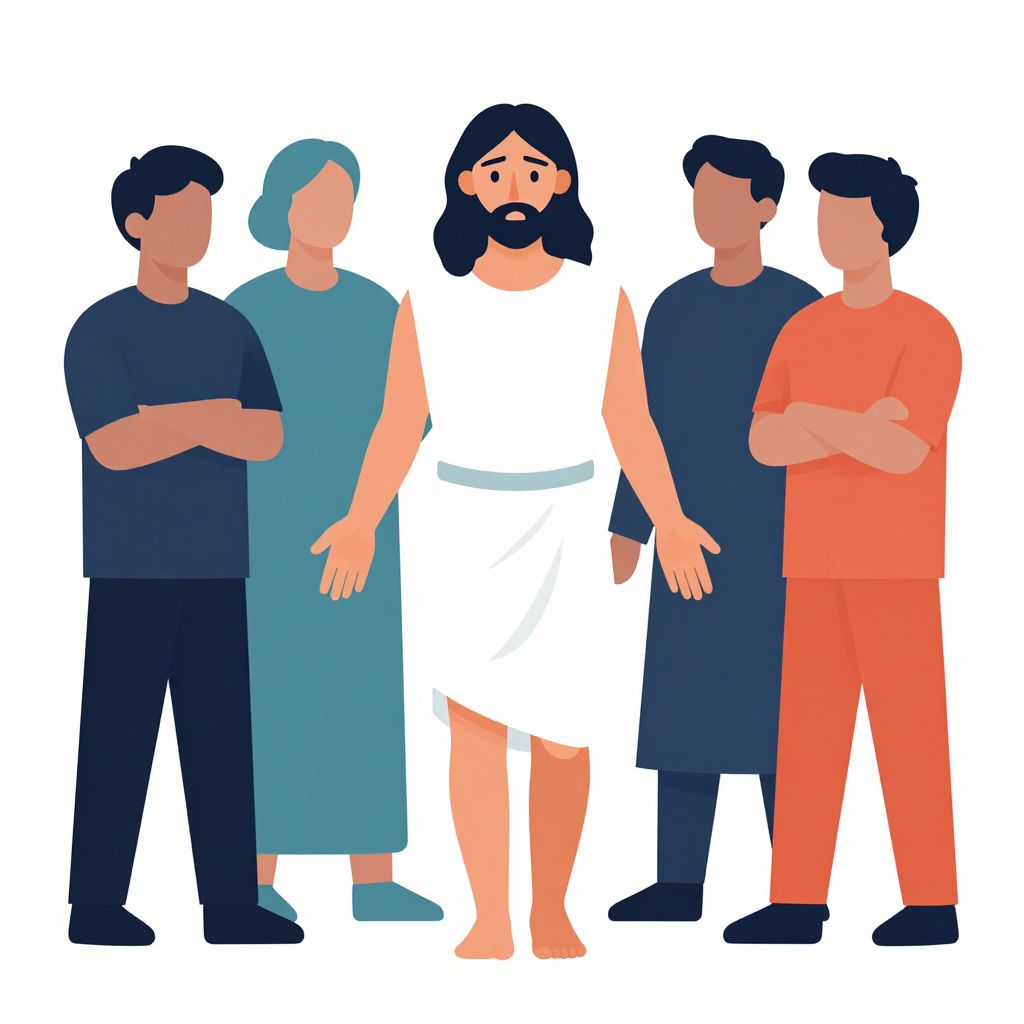
Have you ever felt exposed or vulnerable in your faith? Many Christians experience this sense of being stripped down to their core, especially during challenging times. The moment Jesus is stripped of his garments serves as a profound reminder of the suffering he endured for us, revealing deep spiritual truths about shame, sacrifice, and redemption.
This article explores why Jesus was stripped of his garments, what this act signifies, and how it connects to our journey of faith. We will ground our exploration in scripture, encouraging a fuller understanding of God’s love expressed through Christ’s meekness and ultimate sacrifice.
Jesus Is Stripped Of His Garments?
When Jesus was stripped of his garments, this act represents both physical humiliation and profound spiritual significance. It illustrates the depth of his suffering and highlights the gravity of his sacrifice on behalf of humanity, as seen in John 19:23-24.
Understanding the Context
The stripping of Jesus’ garments occurs during the Passion narrative leading up to his crucifixion. After his arrest, Jesus faced mock trials and brutal treatment. In the final moments before His crucifixion, Roman soldiers conducted a common practice of stripping those condemned to death in humiliation.
This brutal act shows how the soldiers sought to not only punish but also humiliate Jesus. As recorded in Matthew 27:35, they cast lots for his clothing, an act that emphasized their cruelty amid the execution process.
The Symbolism of His Garments
Jesus’ garments held significance. Each piece represented dignity and identity, elements stripped away during this abhorrent process. In relinquishing his garments, Jesus embodied vulnerability, embracing shame for humanity’s sake. This moment reminds believers to reflect on the weight of sin and the cost of redemption.
Jesus’ willingness to face this humiliation shows his great love. Philippians 2:7-8 reminds us that he “made himself nothing by taking the very nature of a servant.” Here, the stripping serves as a literal manifestation of the spiritual poverty Jesus accepted to save us.
What Does This Teach Us About Shame?
The act of stripping Jesus carries lessons about shame, that haunting emotion that weighs heavily on the human heart. Have you ever felt undeserving of grace? Jesus faced immense shame, not for his own wrongdoing but for humanity’s sins. This gives insight into how the Father views our struggles with shame.
Shame in Our Lives
Shame often arises from the perception of being inadequate or unworthy. This can lead believers to hide from God. Romans 8:1 says there is “now no condemnation for those who are in Christ Jesus.” Jesus took the shame on himself, demonstrating that we do not have to bear it ourselves. He bore our guilt openly, revealing the path to grace.
How to Address Shame
When shame surfaces, consider these steps to address it:
- Reflect on Christ’s sacrifice and how he endured humiliation for you.
- Engage with scripture that affirms God’s love and acceptance.
- Practice confession and prayer to release past guilt.
- Surround yourself with community and support that cultivates healing.
These steps can help confront shame. Christ’s willingness to be stripped of his garments ultimately empowers believers to embrace vulnerability, which is essential for spiritual growth.
The Call to Follow Jesus’ Example
Jesus’ experience stripped bare reveals a call to followers. Christ’s vulnerability provides an example of how we should approach our faith—authentically and humbly. Christians are called to show honesty, recognizing that faith does not mean being flawless.
As we encounter struggles or moments where we feel naked of righteousness, Jesus beckons believers toward submission. 1 Peter 5:6-7 states that we must humble ourselves under God’s mighty hand, casting all our anxieties on him. Are you ready to bring your struggles to God?
The Overcoming Power of Vulnerability
Embracing vulnerability can bring healing and create deeper connections with others. When we open up to friends and family, we reflect how Jesus exhibited openness in his suffering. Stripping away layers of pretense can lead to richer, more authentic Christian living.
While vulnerability may feel uncomfortable, God uses those moments to cultivate growth. Letting go of the pretense helps reveal God’s grace in our lives. In our weakness, God is strong, reminding us that we are never alone.
Exploring the Path of Sacrifice
Jesus’ stripping also reveals the path of sacrifice. In this moment of humiliation, we see the depth of Christ’s love for humanity. Sacrifice is core to the Christian faith. Jesus took on the weight of sin, paving a way for reconciliation with God.
What Sacrifice Means
True sacrifice entails a willingness to suffer for the good of another. This principle appears throughout scripture, urging believers to step beyond comfort for God’s glory. In Romans 12:1, Paul calls believers to “offer your bodies as a living sacrifice.”
Living Sacrificially
How can you practice a life of sacrifice? Consider these tangible actions:
- Serve your community through outreach or volunteer work.
- Forgive someone who wronged you, even when it’s difficult.
- Set aside time for prayer and reflection, prioritizing your spiritual health.
- Share your resources generously, both financially and physically.
These actions cultivate a spirit of humility and sacrifice, mirroring the heart of Christ. Each small act of service contributes to God’s kingdom unfolding here on Earth.
Jesus’ Stripping and Resurrection
While the act of stripping Jesus is somber, it foreshadows the glory of his resurrection. The resurrection reminds believers that suffering leads to triumph, that death does not hold sway over life. Jesus endured humiliation, but through resurrection, he overcame it.
The Significance of the Resurrection
The resurrection serves as the ultimate confirmation of Jesus’ divinity and the validity of his sacrifice. In Romans 1:4, it states that Jesus was “appointed the Son of God in power by his resurrection from the dead.” This victory over death triumphs over any moments of shame or stripping that occurred during his earthly ministry.
Rising in His Glory
The resurrection reinforces something vital for believers. The shame and suffering that come with being human do not hold the final word. What are you facing that feels overwhelming? Jesus’ victory signifies hope for transformation and renewal.
As believers, we rise with Christ in our daily lives. Each struggle and moment of defeat can resurrect into new life and purpose when transformed by God’s spirit.
Living in the Light of Christ’s Sacrifice
The lesson from Jesus’s stripping implores believers to see life through the lens of sacrifice and grace. Each moment of suffering prepares the heart to receive joy and hope. What is your perspective on hardship?
Embracing Grace Daily
Daily, Christians must endeavor to embrace God’s grace over their lives. Understanding that Jesus willingly endured shame encourages believers to find solace and strength through his example.
Grace shows up in various forms—through comforting scriptures, supportive community, and moments of prayer. It invites believers to recognize that despite being stripped of comforts, they can find fulfillment in Christ.
Welcoming Transformation
Transformation arises from surrendering to God’s plan. Believers are called to walk in newness of life, emerging from experiences stripped down to discover the beauty of spiritual renewal. Romans 12:2 encourages believers to be transformed by the renewing of their minds.
Conclusion: Embrace the Truth of His Sacrifice
The moment Jesus is stripped of his garments encompasses profound spiritual truths about suffering, vulnerability, and sacrifice. It symbolizes Christ’s ultimate sacrifice, reminding us that even in humiliation, grace reigns supreme. Embrace this truth for your journey of faith.
What step can you take today to live in light of Jesus’ sacrifice? Are there areas in your life where you need to relinquish shame or offer acts of service? Respond to Christ’s call to rise in vulnerability, embracing the power his sacrifice instills in your life.
As you ponder these reflections, know that God’s grace meets you at every turn. Explore more faith-based topics and articles to deepen your understanding, such as When Jesus Died or Why Is It Called Good Friday.