
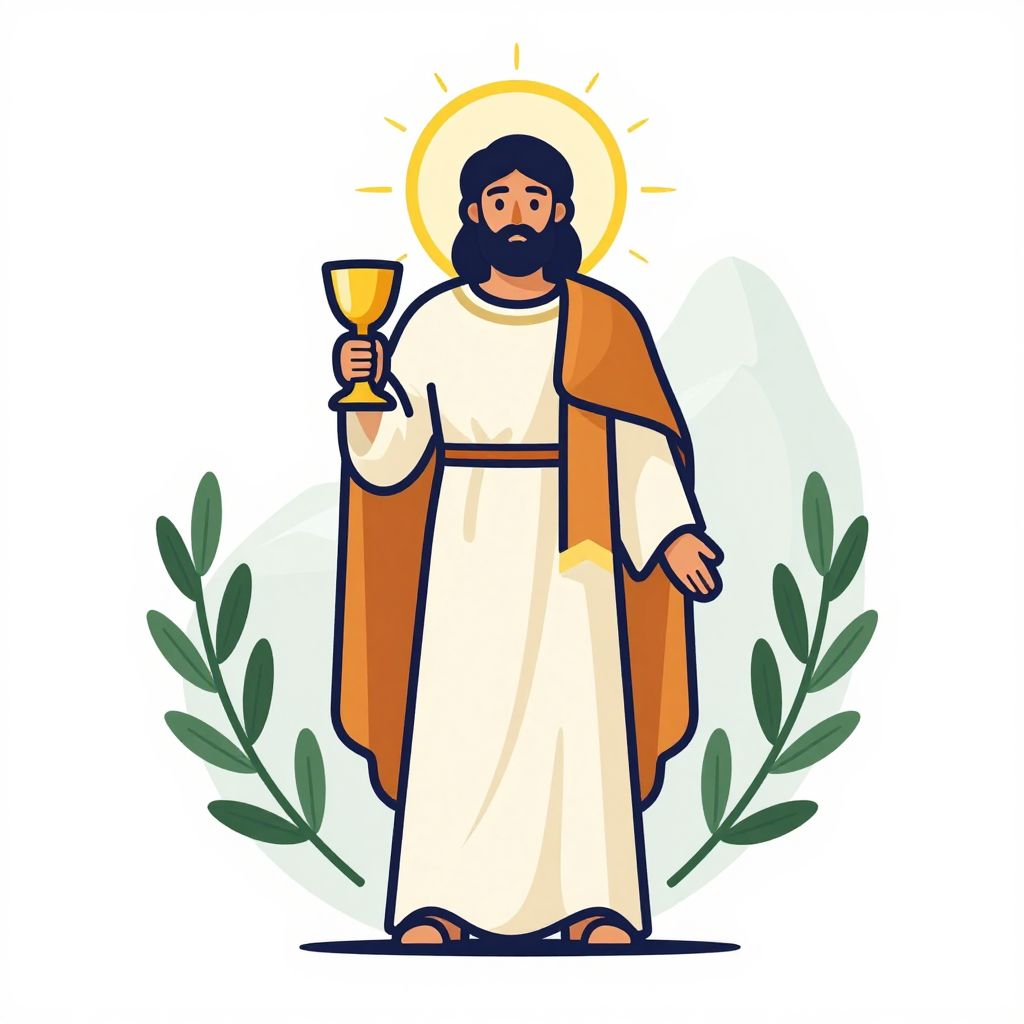
Have you ever wondered about the mysterious figure of Melchizedek mentioned in the Bible? Many readers encounter this enigmatic character in Genesis without fully grasping his significance. Understanding who Melchizedek is and what he represents can deepen your faith and shed light on the nature of Christ.
This article explores the identity of Melchizedek, his role in Scripture, and the profound implications of his priesthood. By unpacking these truths, the aim is to illuminate how Melchizedek connects to Jesus and what that means for believers today.
Who Is Melchizedek In The Bible?
Melchizedek is a significant yet enigmatic figure in the Bible, appearing in Genesis 14:18-20 and later referenced in Psalm 110:4 and the book of Hebrews. He is described as the king of Salem and a priest of the Most High God, who blessed Abraham and received tithes from him. His character symbolizes a priesthood that transcends the Levitical order, pointing to a deeper fulfillment in Jesus Christ.
Melchizedek’s Appearance in Genesis
The first mention of Melchizedek occurs in Genesis 14 when Abraham returns from rescuing Lot. Melchizedek greets Abraham with bread and wine, emblematic of communion and fellowship. This not-so-simple snack carries significant weight, indicating the spiritual nourishment that a priest provides.
In Genesis 14:19-20 (NIV), it reads, “And he blessed Abram, saying, ‘Blessed be Abram by God Most High, Creator of heaven and earth. And praise be to God Most High, who delivered your enemies into your hand.’ Then Abram gave him a tenth of everything.” This blessing signifies the authority of Melchizedek’s priesthood and establishes him as a key figure in biblical history.
The Significance of His Name
The name Melchizedek translates to “king of righteousness,” with “melchi” meaning “king” and “zedek” meaning “righteousness” in Hebrew. This fitting title underscores his character and role. As king of Salem, which means “peace,” he embodies the dual qualities of righteousness and peace — promises fulfilled in Christ.
Have you considered how righteousness and peace are interconnected in your life? In John 16:33, Jesus reassures us that He has overcome the world, allowing believers to live in peace, rooted in righteousness. It’s a beautiful reminder of what true kingship looks like.
Melchizedek’s Priestly Role
Melchizedek serves as a priest of the Most High God, an important distinction. Unlike the Levitical priests, whose lineage comes from Aaron and the tribe of Levi, Melchizedek’s priesthood is unique. Scripture does not detail his lineage or death, symbolizing an eternal priesthood.
Hebrews 7:3 (NIV) states, “Without father or mother, without genealogy, without beginning of days or end of life, resembling the Son of God, he remains a priest forever.” This powerful description emphasizes his role as a foreshadowing of Jesus Christ’s eternal priesthood.
The Connection to Christ
In Psalm 110:4, God swears an oath that the Messiah will be “a priest forever in the order of Melchizedek.” This connection reveals that Jesus fulfills the priestly role perfectly. He stands as both king and high priest, uniting righteousness and peace as only He can.
Jesus’s priesthood surpasses all other forms. Hebrews 7:24-25 (NIV) states, “but because Jesus lives forever, he has a permanent priesthood. Therefore he is able to save completely those who come to God through him, because he always lives to intercede for them.” What does it mean for you to hold onto a Savior who intercedes for you eternally?
The Order of Melchizedek Explained
Understanding the order of Melchizedek assists in grasping the significance of Christ’s role. This order not only exceeds the authority of the Levitical priesthood but is eternal and unchangeable, rooted deeply in God’s covenantal promises.
In Hebrews 7:11-12 (NIV), it says, “If perfection could have been attained through the Levitical priesthood…and if it were the case, why was there still need for another priest to come?” This implies that the old order was insufficient, pointing to the need for something greater: the priesthood of Jesus in the order of Melchizedek.
Melchizedek in the New Testament
The New Testament draws parallels to Melchizedek, emphasizing his ongoing significance. Hebrews chapter 7 examines Melchizedek in detail, solidifying his connection to Jesus and articulating the incompleteness of the old covenant.
This chapter highlights key elements, such as Melchizedek’s greatness. In verses 4-10 (NIV), the author notes that the “lesser is blessed by the greater,” demonstrating the superiority of Melchizedek over Abraham. This sets the stage for illustrating Christ’s superiority over all preceding systems.
The Role of Tithing
When Melchizedek receives tithes from Abraham, it signifies a recognition of his authority and priestly role. Tithing is an act of worship, acknowledging dependence on God. In giving, Abraham expresses faith and submission to God’s order.
What does your giving say about your faith and relationship with God? Tithing serves as a reminder of God’s provision and our response in gratitude. Consider reflecting on how you can honor God in your giving.
Bread and Wine: A Foreshadow of Communion
Melchizedek introduces bread and wine, signifying the communion between God and His people. This action prefigures Christ’s institution of the Lord’s Supper, where He offers Himself as the ultimate sacrifice. In Matthew 26:26-28 (NIV), Jesus breaks the bread and shares the cup, emphasizing His body and blood given for our redemption.
This continuity underscores the transformative nature of God’s plan through Christ, bridging the Old Testament and New Testament in ways that display divine wisdom and purpose.
The Spiritual Lessons from Melchizedek
Melchizedek’s life offers several spiritual lessons worth contemplating and applying. Each dimension of his story provides insights into our walk with God.
Faith in the Unknown
Melchizedek appears without a detailed backstory. His faith in God, expressed through his actions, invites believers to trust God, even amid uncertainties. Like Melchizedek, we are called to live by faith, relying on God’s promises over our circumstances.
Have you faced a situation where you struggled to trust God’s plan? Reflect on how faith in the unseen often leads to divine encounters and blessings. God rewards faithfulness, even when the path is unclear.
The Importance of Spiritual Authority
Recognizing and submitting to God-given authority enhances our spiritual lives. Melchizedek represents a divine appointment that cannot be overlooked. His authority over Abraham reflects the chains established by God across generations.
Consider your own life: Who serves as spiritual authority for you? Submitting to such authority leads to spiritual growth and nurtures the understanding of God’s guidance in our lives.
A Call to Intercession
Melchizedek’s role as a priest emphasizes the importance of intercession. Jesus now occupies a similar high priestly position, interceding for us consistently. As believers, we are called to pray for one another and advocate for those who may struggle to reach out to God.
How does your prayer life reflect your commitment to intercede for others? The act of petitioning through prayer strengthens the Body of Christ and allows God’s grace to flow abundantly.
Conclusion
Melchizedek stands as a vital figure in the tapestry of Scripture, illustrating the characteristics of righteousness, peace, and divine priesthood. His unique role points directly to Jesus Christ, emphasizing the need for a perfect high priest who fulfills the requirements of God’s law and intercedes for humanity.
By reflecting on Melchizedek, believers gain a richer understanding of God’s redemptive plan. Embrace the truths found in his life and let them inspire your walk with God. Take a moment to pray for faithfulness, direction, and the courage to give generously.
If you’re interested in exploring more faith-based topics and articles, consider checking out who Metatron is in the Bible or learn about who Jabez is in the Bible. Each of these connections adds depth to your understanding of God’s overarching narrative and His desire to relate with us deeply.