
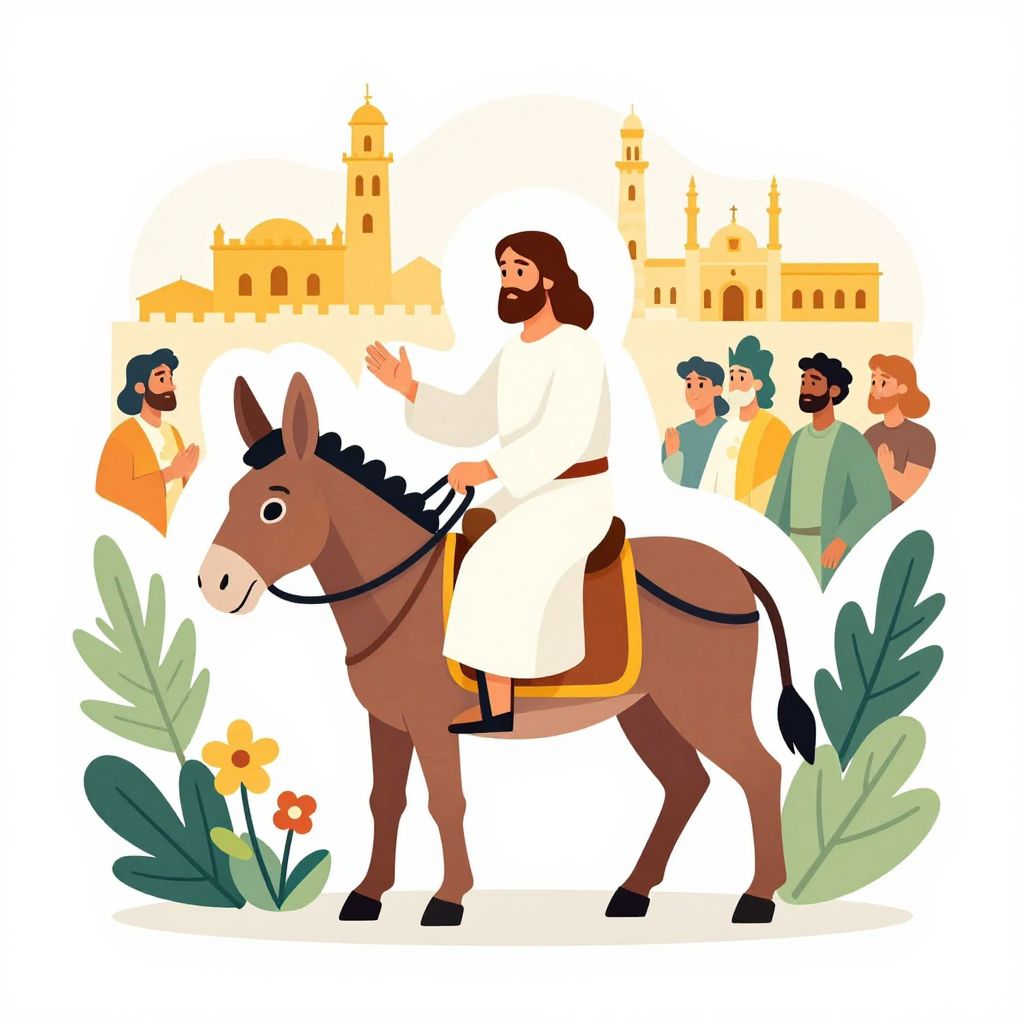
Have you ever paused to wonder about the significance of the way Jesus entered Jerusalem? This moment in Scripture is rich with meaning and demands our attention. Jesus did not arrive on a majestic steed, but rather on a humble donkey, signaling His kingship in a radically different way.
This article explores what Jesus rode into Jerusalem, revealing why it matters to our faith and how it points to His identity and mission as the Messiah. By examining the biblical account, we can grasp deeper truths about God’s plan for salvation.
What Did Jesus Ride Into Jerusalem?
Jesus rode into Jerusalem on a donkey, fulfilling the prophecy in Zechariah 9:9, which speaks of a king coming in humility. This entry was not only symbolic but intentional, showing that Jesus came as a servant rather than a conquering ruler.
The Prophecy Fulfilled
In Zechariah 9:9, God promises, “Rejoice greatly, Daughter Zion! Shout, Daughter Jerusalem! See, your king comes to you, righteous and victorious, lowly and riding on a donkey.” This prophecy, written centuries before Christ, highlights God’s plan for a humble Savior who would bring peace.
This act of riding a donkey instead of a horse reveals much about Jesus’ character. He embodies the meekness and gentleness described in Matthew 11:29, which calls us to learn from Him and to find rest for our souls.
The Significance of the Donkey
Why a donkey? In ancient times, a donkey represented peace. A king who rode into a city on a donkey indicated he came in peace rather than for war. In contrast, a horse often symbolized a king ready for battle. Jesus’ choice of mount underscores His mission of reconciliation.
When we observe Jesus’ humility, we reflect on how He invites us to approach Him. Do we embrace His offering of peace in our daily lives?
The Reactions of the People
The crowds reacted with excitement when Jesus entered Jerusalem. In Matthew 21:8-9, we read, “A very large crowd spread their cloaks on the road, while others cut branches from the trees and spread them on the road. The crowds that went ahead of Him and those that followed shouted, ‘Hosanna to the Son of David!'”
This jubilant response serves as a reminder of the hope the people felt. They believed Jesus was the Messiah who would save them from oppression. Yet, this display of enthusiasm was layered with misunderstanding. The people’s expectations contrasted sharply with Jesus’ intended mission.
The term “Hosanna” translates to “save us, we pray” and acknowledges Jesus as ruler. The crowd’s declaration reflects their longing for deliverance. Their shout echoes Psalm 118:25-26, but many misunderstood what kind of salvation Jesus offered.
As believers, we must evaluate if we acknowledge Jesus as our Savior in the fullness of His purpose. Are we responding to Jesus, seeking only our needs, or do we recognize His broader plan?
Discipleship and the Season of Lent
Jesus’ entry into Jerusalem sets the stage for the events leading to His crucifixion. It is no coincidence that this moment occurs right before Holy Week, a time of reflection, repentance, and preparation for Easter. This season invites believers to commit to following Christ in deeper ways.
During Lent, believers often reflect on their own lives and what Jesus’ actions reveal about their discipleship. As we reflect, we might ask, how can we embody Christ’s humility and peace in our lives?
Living the Call to Servanthood
Jesus demonstrated servanthood, entering Jerusalem not in royal grandeur but in humble obedience. Philippians 2:5-8 encourages us: “In your relationships with one another, have the same mindset as Christ Jesus: Who, being in very nature God, did not consider equality with God something to be used to His own advantage.” Jesus calls us to follow His example of service.
As we follow this path, we must embrace servanthood in our actions. How does humility shape our response to others? Do we serve with open hearts, reflecting Christ’s love?
The Lasting Impact of the Entry
Jesus’ entry into Jerusalem leaves lasting spiritual implications. This moment foreshadows His sacrificial death and triumphant resurrection. It reminds us that God’s glory often reveals itself in unexpected ways.
In Luke 19:41-44, we see Jesus weeping over the city, revealing His heart for those who reject Him. He longs for all to come to repentance. This evokes a deep sense of compassion in our own lives. Who in our circles needs that express love and grace?
Understanding Kingdom Values
Jesus’ triumphal entry challenges our understanding of power and success. The world values strength and dominance, while Jesus models love and gentleness. Matthew 5:5 tells us, “Blessed are the meek, for they will inherit the earth.” This is a radical shift from cultural norms.
As followers of Christ, we must evaluate how our values align with His kingdom. Are we placing more value on status or humility in our everyday interactions?
Preparing for a New Kingdom
Jesus’ arrival may have appeared like a political claim, but He was establishing a new kingdom based on love and redemption. The Jews expected a military leader; God delivered a Savior instead. This was a fulfillment of prophecy—it highlights the nature of God’s kingdom.
We see the contrast further in John 18:36, where Jesus says, “My kingdom is not of this world.” Knowing this, we understand that our ultimate allegiance lies with God. Our faith should reflect this perspective.
Living as Kingdom Citizens
To live as citizens of God’s kingdom means we align our hearts and minds with His values. Our behavior should reflect His love in action. This can be as simple as sharing kindness with a neighbor or standing up for justice in our communities.
In what ways can you practice kingdom living today? Small acts of love can have a significant impact.
Jesus as the Fulfillment of Prophecies
In coming to Jerusalem on a donkey, Jesus fulfills many prophecies, connecting the Old and New Testaments. This rich tapestry of Scripture reveals God’s faithfulness to His promises. Understanding this link strengthens faith and confidence in God’s word.
By studying Jesus’ entry, believers discover that God is in the details. Every prophecy and fulfilled promise reminds us of His sovereignty. Jeremiah 29:11 shares that God has plans to prosper us, which includes His intentions surrounding Jesus’ arrival into Jerusalem.
Understanding Jesus’ Identity
Jesus’ choice to ride a donkey also speaks to His identity as the Messiah. By embracing His role humbly, He demonstrates that true leadership often comes through service and sacrifice. This contrasts with earthly leaders who rely on power and control.
Reflect on how Christ models leadership in your life. Could you exemplify these qualities in your own environment?
The Call to Follow Jesus
Jesus’ entry into Jerusalem challenges believers to consider what it means to follow Him. Are we willing to submit our expectations to His will? Addressing this question strengthens faith and commitment to His calling.
Each believer is invited into a relationship with Jesus that requires an ongoing response: following Him wholeheartedly. He equips us to be conduits of His message and ambassador of His love.
Accepting His Invitation
Jesus’ entry shows us that He invites us to be part of His great story. Our faith is not merely a set of religious rules but an invitation to experience His love and grace.
How are you responding to Jesus’ call in your life? Are there areas where you feel called to deeper obedience?
Practicing the Way of Christ
Jesus’ humble approach serves as a model for how believers should live. Each day provides opportunities to demonstrate Christ-like humility, compassion, and love to those around us. This constant practice draws us closer to Him.
Each interaction we have can reflect the light of Christ. Whether in our homes, workplaces, or communities, believers are called to be agents of change.
Practical Steps to Embrace Humility
Consider these steps to embrace humility and serve others:
- Practice active listening when engaging with others.
- Perform acts of service without seeking recognition.
- Contemplate your attitudes and seek to change those that prioritize self over others.
- Invite God to inspire humility in your interactions and relationships.
Each of these steps brings us closer to modeling Christ to a world that desperately needs Him.
Final Thoughts and Invitation
Jesus’ ride into Jerusalem holds profound lessons for our spiritual lives. We see the fulfillment of prophecy, the invitation to humility, the value of servanthood, and the challenge of living as citizens of His kingdom. It’s essential to grasp the implications of His actions.
As believers, we are called to respond to Jesus, just as the people of Jerusalem did. Their shouts of “Hosanna” echo through history, inviting us to recognize Him as our King. Let this truth encourage you to deepen your faith and share that hope with others.
Will you carry these lessons from Jesus’ entry into Jerusalem into the coming days? Will you question how His example shapes your actions and attitudes? Let them stir you to be a faithful witness of His love.
For those eager to explore more about Jesus and deepen their faith, consider looking into what the Bible says about Jesus. You might also be curious about why they call Him the Son of David. These topics can enrich your spiritual journey and understanding.