
Have you ever wondered how the miraculous story of Jesus Christ’s birth unfolds within Scripture? This question resonates because understanding where Jesus’s birth is detailed in the Bible reveals the depths of God’s plan for humanity. The birth of Christ lies at the heart of the Gospel, and exploring it brings to light how much God desires relationship with us.
This article will focus on the specific books of the Bible that narrate Jesus’s birth. Knowing where to find these accounts helps believers appreciate God’s work and the promise of salvation that Jesus embodies. Through these narratives, we witness the fulfillment of prophecy and the dawn of an era of grace.
What Book Of The Bible Is Jesus Born?
The story of Jesus’s birth is primarily found in the Gospels of Matthew and Luke. Matthew 1:18-25 presents the birth narrative from Joseph’s perspective, while Luke 2:1-20 provides the account focusing on Mary and the shepherds. These two accounts together paint a fuller picture of the miraculous event.
Matthew’s Account of Jesus’s Birth
Matthew opens his birth narrative with a detailed genealogy that traces Jesus’s lineage to King David and Abraham. This connection emphasizes Jesus’s rightful claim as the Messiah, fulfilling prophecies given in the Old Testament.
In Matthew 1:18-25, we learn about the angel’s visit to Joseph. Angelic proclamations reassure Joseph about Mary’s role. Within this passage, we see God’s plans unfold through dreams, which demonstrates His active involvement in the early life of Jesus.
Luke’s Account of Jesus’s Birth
Luke provides a more vivid narrative in chapter 2, detailing the circumstances surrounding the birth of Jesus. He begins by describing Caesar Augustus’s decree for a census, setting the stage for Mary and Joseph’s journey to Bethlehem.
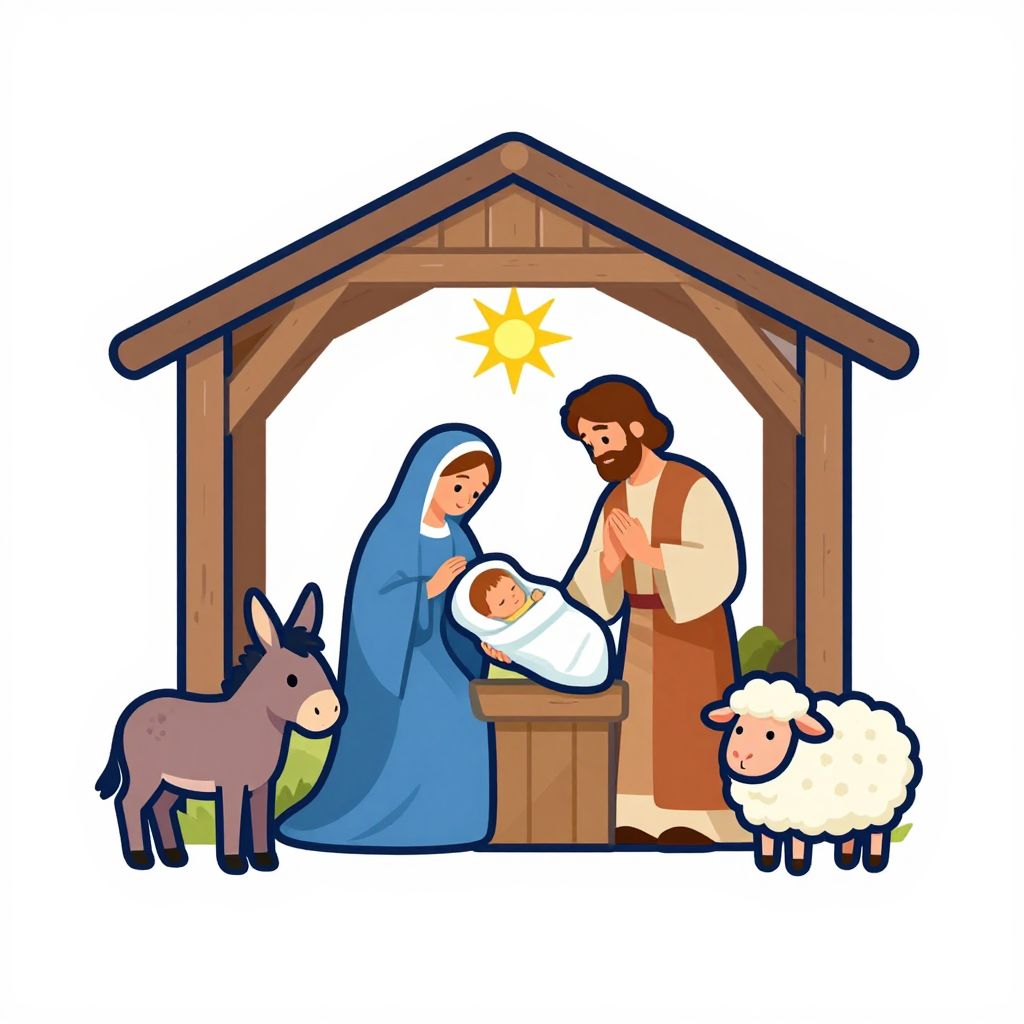
In Luke 2:4-7, the familiar image of the manger surfaces. Mary gives birth to Jesus, and He is laid in a feeding trough because there was no room at the inn. This humble beginning starkly contrasts with the grandeur expected of a King.
Verses 8-20 narrate the angelic announcement to shepherds in the fields. The shepherds, to whom God chose to reveal the birth of His Son, portray God reaching out to the lowly and marginalized, highlighting His grace towards all people.
The Significance of the Birth Accounts
Understanding why both accounts matter is crucial. Together, they form a cohesive narrative that showcases different aspects of Jesus’s birth and God’s overarching plan.
Fulfilling Prophecy
The births of Jesus highlighted in both accounts fulfill Old Testament prophecies. For instance, Isaiah 7:14 prophesies the presence of a virgin birth, which is confirmed in Matthew 1:23. This fulfilled prophecy underscores the divine involvement in Jesus’s life from the very beginning.
In Micah 5:2, Bethlehem is foretold as the birthplace of the Messiah. This prophetic element is essential in both accounts, showcasing the layered nature of God’s promise and provision.
God’s Choice of Messengers
In a worldly sense, God’s choice of shepherds to herald His Son’s birth might seem puzzling. Yet, it reveals God’s heart for the humble. Shepherds were deemed lowly in society, yet they received the good news first (Luke 2:10-12). What does this say about how God values people?
In contrast, Matthew’s account emphasizes Joseph’s rightful role, his obedience, and the significance of the family unit. This balance between Mary’s and Joseph’s perspectives invites us to appreciate familial roles in God’s plan.
How Do the Accounts Shape Our Understanding of Christmas?
The Christmas season often emphasizes joy and celebration. However, recognizing the humble beginnings of Jesus invites deeper reflection on the nature of God’s love and His plan for salvation.
Gratitude for God’s Gift
Considering the magnitude of God giving His only Son inspires gratitude. Both accounts emphasize the miraculous nature of Jesus’s entrance into the world, urging believers to cherish this divine gift. Have you taken a moment lately to reflect on what it means that God chose to come as a baby?
John 3:16 captures this gift perfectly: “For God so loved the world that he gave his one and only Son…” Tying this back to the birth narrative reinforces the understanding that the life of Christ was a present given to humanity.
The Call to Compassion
Jesus’s birth invites believers to extend compassion, as seen in God’s outreach to the marginalized through the shepherds. Reflecting on God’s choice to announce Christ’s birth to the lowly should challenge believers to respond in kindness and love towards those society often overlooks.
Consider extending compassion in a tangible way this season. How can you carry the heart of Christ into your interactions with others?
Practical Steps to Celebrate Jesus’s Birth
Finding ways to celebrate Christ’s birth can deepen your understanding of the significance of His coming. Here are a few practical steps:
- Read through the birth narratives in both Matthew and Luke as part of your holiday tradition.
- Discuss the prophecies fulfilled by Jesus’s birth with family and friends.
- Create an advent calendar that highlights different aspects of Jesus’s life leading up to Christmas.
- Volunteer your time or resources to serve those in need, reflecting the heart of Christ.
- Engage in prayer, asking God to open your heart to the deeper meanings of Christmas.
Reflecting on the Meaning of Emmanuel
The name “Emmanuel,” meaning “God with us,” encapsulates the essence of Christmas. The birth of Jesus signifies God’s desire to dwell among His people and engage with humanity. Understanding this profound truth transforms the Christmas celebration from a mere holiday into a heartfelt acknowledgment of God’s presence.
Implications of Emmanuel
Recognizing Jesus as Emmanuel means acknowledging God’s nearness in every situation. Should we feel overwhelmed by challenges, we can rest in the assurance that God is with us. This truth echoes throughout Scripture and should bolster our faith during difficult seasons.
Psalm 46:1 reassures us, “God is our refuge and strength, an ever-present help in trouble.” How does this truth affect your approach to life’s uncertainties?
Dynamics of Relationship
The birth of Christ establishes the foundation for a personal relationship with God. By accepting Jesus, we become part of a family that transcends earthly ties. This relationship doesn’t merely begin on Christmas; it evolves throughout our lives.
In John 1:12, we read, “But to all who did receive him, who believed in his name, he gave the right to become children of God.” Understanding Jesus’s identity as God’s Son invites us into the joy of this new family dynamic.
Christmas in the Light of the Cross
Often, the celebration of Christmas can focus solely on the nativity, neglecting the journey that Jesus would undertake as an adult. His mission culminates in His sacrificial death and resurrection. Both birth and death contribute to the fullness of the gospel message.
Understanding Sacrifice
The cradle inevitably leads to the cross. Reflecting on the purpose behind Jesus’s birth should include an understanding of His sacrificial role. Believers should recognize that the Christmas message embodies hope specifically because of what Jesus accomplished later on.
In Luke 2:34-35, Simeon speaks prophetic words over Jesus, indicating the importance of His path. The acknowledgment of Christ’s future challenges enhances our appreciation of the Christmas story.
Celebrating New Life
Jesus’s birth symbolizes new beginnings—not just at the advent of His life, but the new life offered to humanity through His sacrifice. This truth offers hope and encourages believers to live in light of the resurrection.
2 Corinthians 5:17 states, “Therefore, if anyone is in Christ, the new creation has come: The old has gone, the new is here!” This powerful revelation deepens the meaning of the birth narrative, inviting personal transformation.
Prayerful Reflection on Jesus’s Birth
Engaging in prayer centered around the themes of Jesus’s birth can cultivate a heart of worship. As you reflect on Matthew and Luke’s accounts, consider praying through these points:
- Thank God for the gift of Jesus and His divine plan.
- Reflect on the humility of His birth and what it means for personal pride.
- Ask God to help you embody compassion and love towards others.
- Seek opportunities to share the message of Christ’s birth with those who haven’t heard.
Conclusion
Jesus’s birth is a pivotal moment in history, recorded in the Gospels of Matthew and Luke. This event carries immense significance as it marks the beginning of God’s tangible presence among humanity. As year-end celebrations arrive, believers are called to reflect on the grace, humility, and love encapsulated in this miraculous story.
Consider how you can celebrate not just the event but its implications throughout the coming year. How might embracing the significance of Jesus’s birth change your walk of faith?
Take time to soak in the truth of the narrative and allow it to transform your perspective on life and God’s unyielding love.
As you explore the richness of Jesus’s birth, consider diving deeper into faith-based discussions. Discover more on topics such as Jesus is the reason for the season or, if curious about the story’s biblical grounding, visit where to find the Christmas story. Both will enrich your understanding and appreciation of this remarkable time.