
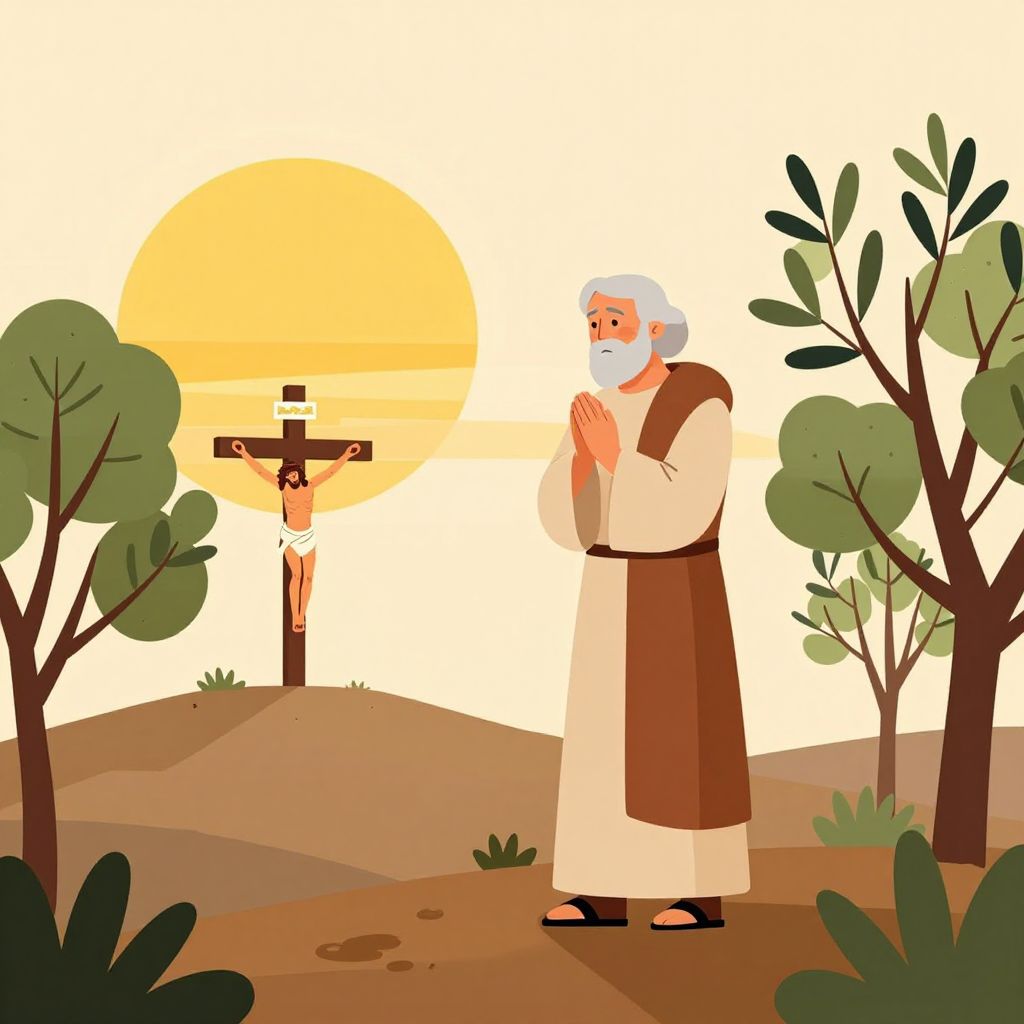
Have you ever wondered about the role of Joseph, the earthly father of Jesus, during the most pivotal moment of Jesus’ life — his crucifixion? The Gospels do not clearly detail Joseph’s whereabouts during this time, leaving many to ponder his absence. Understanding Joseph’s role is crucial because it reflects God’s purpose and plan through all circumstances.
This article explores the possible reasons for Joseph’s absence at Jesus’ death and what this may reveal about God’s character, the nature of suffering, and the journey of faith.
Where Was Joseph When Jesus Died?
Joseph, the father of Jesus, is not mentioned in the narrative surrounding the crucifixion, leading many to speculate on his fate. Most scholars agree he likely died before Jesus began his public ministry, as he is not referenced in any of the Gospels during Jesus’ time of trial and execution.
Understanding Joseph’s Role in Jesus’ Early Life
Joseph played a significant role in Jesus’ early life, helping to raise Him and protecting Him from danger. The Gospel of Matthew highlights Joseph’s obedience when he accepted Mary and the divine message about Jesus’ conception in Matthew 1:20-21. His righteousness guided his actions as he took care of his family, showcasing his commitment to God’s mission.
When King Herod sought to kill the Christ child, it was Joseph who, prompted by an angel, took Mary and Jesus to Egypt (Matthew 2:13-15). This moment reflects Joseph’s importance as a protector and provider. He embodied faith-driven action, illustrating how God often chooses ordinary people for extraordinary tasks.
The Silence of the Gospels
After Jesus’ childhood, the Bible offers little insight into Joseph’s life. In Luke 2:41-52, we see a glimpse of Jesus at twelve, teaching in the temple, but Joseph vanishes from the narrative thereafter. The absence of Joseph during the crucifixion may indicate either his death or that he simply was not in the picture anymore.
This silence raises questions: Why do the Gospel writers not mention Joseph in these crucial moments? Joseph’s lack of mention might signify a shift in Jesus’ focus from His earthly family to His divine mission. As believers, we recognize that God often works in spaces where we cannot see, even in silence.
The Implications of Joseph’s Absence
Some scholars suggest that Joseph’s absence from the crucifixion narrative implies he had passed away. If this is true, it highlights the reality that all earthly connections can change. Even the strongest earthly relationships are subjected to mortality.
Yet Joseph’s life, even in absence, teaches us significant truths about God’s design. He fulfilled his purpose as a father, instilling faith, obedience, and righteousness in Jesus, which would carry Jesus through His ministry and eventual sacrifice.
Joseph’s Legacy of Faith
Even though Joseph does not appear in the Gospels during Jesus’ death, his legacy as Jesus’ earthly father endures. The manner in which he raised Jesus had a lasting impact on who Jesus became. Joseph’s faith and actions portrayed God’s character — that of a protective, loving Father.
What can we learn from Joseph’s legacy? Every parent or guardian is a role model. Our daily actions and beliefs shape the lives of those we influence. How often do we model faith, love, and obedience in our own homes and communities?
What the Cross Represents
While Joseph’s absence raises questions, the cross stands at the forefront of the Christian faith. The crucifixion represents loss, pain, and God’s ultimate redemptive plan. Jesus’ sacrifice serves as a turning point in history and the believer’s journey.
Witnessing or participating in Jesus’ suffering brings forth deep questions of faith: How do we respond to suffering in our lives? Can we see God’s hand even in our pain? Joseph’s story teaches us that God can orchestrate His divine purposes through human struggles.
The Role of Mary
While Joseph is absent, Mary remains present throughout Jesus’ crucifixion. This contrast accentuates different but complementary roles within the holy family. Mary’s unwavering presence supports the notion of a deep, intimate relationship with her son.
Mary’s experience stands as testimony to the profound suffering that can coexist with love. Her heartache radiates the reality of motherhood, showcasing resilience through tragedy. How do we reflect on instances of heartbreak in our lives? How can we support those around us who suffer?
The Collective Grief of the Cross
When we focus on the crucifixion, we often overlook the collective grief experienced. Those who loved Jesus, including His disciples and followers, felt the weight of His suffering, showcasing humanity’s experience with loss. It reminds believers that grief is both communal and deeply personal.
Joseph’s absence may resonate with many who experience loss in their families. While pain may not be easy, understanding that Jesus experienced loss can be comforting. He is familiar with our struggles, as reflected in Hebrews 4:15, where Jesus is described as a high priest who empathizes with our weaknesses.
Lessons from Joseph: Love and Obedience
The life of Joseph teaches us the significance of loving obedience. He embraced his role despite the challenges. His trust in God’s plan, even without clarity, stands as an enduring example for all believers. How do you respond when God presents you with daunting tasks or uncertain situations? Do you choose faith or fear?
Joseph’s perfect love was grounded in his relationship with God. He knew that loving courageously often requires us to relinquish control. How can we love our families and communities with that same level of faith and commitment?
God’s Plan Remains Unshaken
While the specifics of Joseph’s life may remain unknown, we retain the assurance that God’s plan remains unshaken. Even with unresolved questions in life, believers receive comfort in knowing God actively works in all circumstances. Trusting Him fuels our spiritual lives amid frustration, confusion, or desperation.
Jesus’ death, paired with Joseph’s absence, serves as a compelling reminder of God’s redemptive nature. When everything appears to fall apart, He orchestrates His perfect will. In Romans 8:28, we are assured that all things work together for good, to those who love God.
Finding God Amidst Suffering
Jesus’ crucifixion embodies the depth of suffering while simultaneously uncovering profound hope. Even in Joseph’s absence, the narrative points us toward God’s redemptive work. We hold the promise of healing, forgiveness, and restoration through Christ’s sacrificial love.
As we navigate personal struggles, we should remember that Joseph’s faith reflects God’s goodness. God’s faithfulness does not fade in moments of grief and uncertainty. How might your faith grow during difficult times?
Living Out the Legacy
In honoring Joseph’s legacy, believers can embody love and obedience in their daily lives. Faith calls individuals to actionable steps — whether serving families, communities, or advocating for the vulnerable. Joseph’s life inspires the faithful to remain dedicated to God’s teachings and word.
As you consider Joseph’s absence during the crucifixion, reflect on the meaningful legacy you wish to leave in your own life. Are you actively modeling your faith through actions? How can you engage others with love and grace, even amidst trials?
Conclusion
Joseph’s absence at Jesus’ crucifixion leaves many questions unanswered, yet his legacy remains vital. His story teaches us about faith, obedience, and the larger narrative of God’s plan surrounding Jesus’ sacrifice. Through love and commitment, every individual can choose to leave a profound legacy that reflects God’s character.
While Joseph may not have witnessed Jesus’ death, his impact reverberates through time. Let that inspire you as you seek to live out your faith boldly, even amid uncertainty or challenge. Consider praying for a deeper understanding of your role and purpose in God’s kingdom.
To explore further faith-based topics and articles, consider reading about how Joseph died or finding out who ruled when Jesus died.