
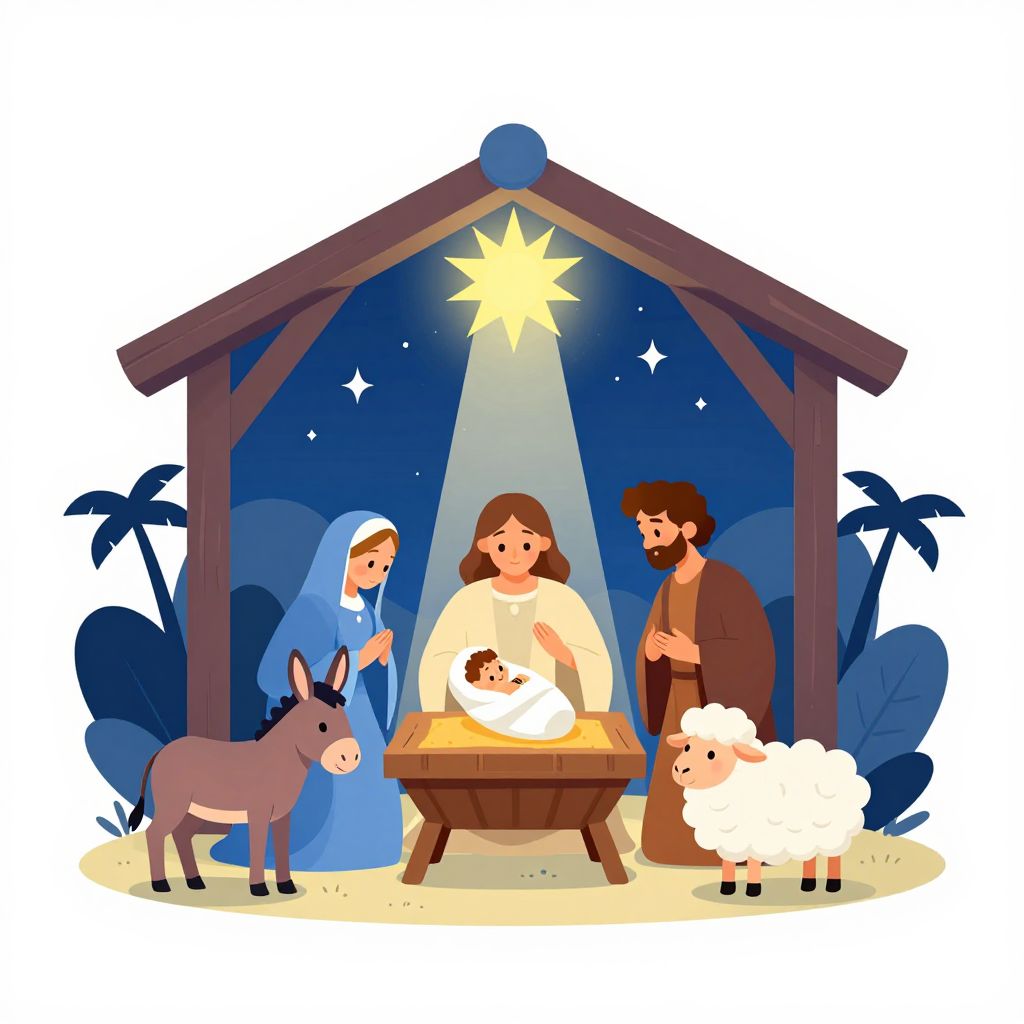
Have you ever wondered where to find the true Christmas story in the Bible? Amid the lights, presents, and festive gatherings, it’s easy to lose sight of the profound narrative at the heart of the holiday. Grasping this story brings clarity to our celebrations and a deeper understanding of God’s love for humanity.
The Christmas story unfolds primarily in the Gospels of Matthew and Luke. These accounts illuminate the miraculous birth of Jesus Christ, providing key details about His lineage, the circumstances of His birth, and the response of those who witnessed it. Understanding these scriptures can deepen our appreciation for Christmas and inspire us to embody the spirit of this season.
Where Is The Christmas Story In The Bible?
The Christmas story is primarily found in two books of the New Testament: the Gospel of Matthew (chapters 1 and 2) and the Gospel of Luke (chapters 1 and 2). These texts cover the birth of Jesus, the events surrounding it, and the implications of His arrival. Together, they offer a rich narrative that conveys God’s purpose in sending His Son into the world.
The Gospel of Matthew: The Royal Lineage of Jesus
Matthew begins with a genealogy that establishes Jesus’ rightful place in the line of David. Matthew 1:1-17 traces Jesus’ lineage, affirming His Jewish heritage and messianic credentials. This genealogy emphasizes God’s faithfulness in fulfilling His promises to Israel.
In Matthew 1:18-25, we read about the miraculous conception of Jesus. An angel appears to Joseph in a dream, explaining that Mary is pregnant through the Holy Spirit. Joseph’s obedience to God’s instructions illustrates righteous faith. His willingness to accept Mary and raise Jesus as his own highlights the importance of following God’s call, even when it seems difficult.
The Gospel of Luke: The Annunciation and Birth
Luke provides a more detailed account of the Christmas story, beginning with the announcement to Zechariah and the miraculous birth of John the Baptist (Luke 1:5-25). This establishes the significance of God’s plan unfolding through both John and Jesus.
Then, in Luke 1:26-38, the angel Gabriel visits Mary, delivering the news that she will conceive the Son of God. Mary’s humble acceptance of God’s will serves as a profound model of faith. Her response, “I am the Lord’s servant,” (Luke 1:38) challenges us: how do we respond to God’s call in our lives?
Luke 2:1-7 describes Jesus’ birth in Bethlehem. The circumstances are humble; Mary and Joseph travel to register for a census, and Jesus is laid in a manger. This imagery signifies that the King of Kings entered the world in a lowly setting, capturing the essence of God’s grace and humility.
The Shepherds and the Message of Joy
In Luke 2:8-20, angels announce Jesus’ birth to shepherds. This act reveals God’s intention to reach the marginalized. The shepherds respond with faith, seeking out the newborn Savior. Their journey reflects our calling to seek Christ and share the good news with others.
The angel’s proclamation, “Do not be afraid; I bring you good news that will cause great joy for all the people” (Luke 2:10), invites us to embrace joy amid life’s struggles. Have you considered how this message of joy resonates with you personally, especially during challenging times?
The Visit of the Magi: A Royal Revelation
Matthew 2:1-12 recounts the visit of the wise men, or Magi, from the East. Following a star, they arrive in Jerusalem, seeking the newborn King. Their journey symbolizes the global significance of Jesus’ birth. God revealed Jesus’ identity not only to Israel but to the nations.
Upon finding Jesus, the Magi offer gifts of gold, frankincense, and myrrh. Each gift carries deep meaning: gold signifies Jesus’ kingship, frankincense represents His divinity, and myrrh foreshadows His sacrificial death. How do these gifts deepen your understanding of who Jesus is?
The Significance of Prophecies Fulfilled
As the Christmas story unfolds, it fulfills multiple Old Testament prophecies. Micah 5:2 foretells that the Messiah would be born in Bethlehem, while Isaiah 7:14 predicts the virgin birth. Recognizing these prophecies underscores God’s meticulous plan throughout history.
Understanding these fulfillments calls us to acknowledge the reliability of Scripture. God’s promises endure, reinforcing our faith in His character. How does contemplating fulfilled prophecy strengthen your trust in God’s promises in your life?
The Reactions to Jesus’ Birth
The various responses to Jesus’ birth reveal profound truths about human nature. Joseph models obedience and trust, while the shepherds exhibit humility in accepting God’s revelation. The Magi represent those seeking truth and willing to journey far to find it.
Conversely, King Herod’s reaction demonstrates fear and opposition. He represents those who feel threatened by God’s plans. Reflecting on these different reactions can prompt important self-reflection: how do you respond to Jesus in your own life?
What Does the Christmas Story Teach Us?
The Christmas story transcends the confines of a historical account; it relays essential truths about God and His love for humanity. It illustrates that God comes to us in humility, seeking relationship over power. Jesus’ birth shows that God cares for the outcast, emphasizing His love for all people.
Here are several lessons we glean from this precious narrative:
- The Importance of Faith: Both Mary and Joseph displayed faith in God’s promises. Their example encourages us to trust God even amid uncertainty.
- God’s Heart for All People: From the shepherds to the Magi, Jesus’ birth reaches diverse groups. God’s message is universal.
- Joy Amid Struggles: The angels proclaimed joy in the midst of challenging times. We can find joy in our faith, regardless of circumstances.
- God’s Plan is Fulfilled: The fulfilled prophecies remind us that God’s purposes will come to fruition. We can rest in His faithfulness.
How to Reflect on the Christmas Story Today
As we celebrate Christmas, consider practical ways to engage with the story of Jesus’ birth. Here are suggestions for meaningful reflection:
- Read through the verses in Matthew and Luke that detail the Christmas story. Take time to reflect on each moment.
- Pray for a deeper understanding of God’s love as you imagine the scene of Christ’s birth.
- Share the Christmas story with others. Consider hosting a gathering where you read the nativity accounts together.
- Practice giving, emulating the example of the Magi. Offer assistance to those in need this season.
- Attend church services that focus on Advent, preparing your heart for Christ’s arrival in a communal setting.
Sharing the Christmas Message
Christmas provides an excellent opportunity to share the Gospel message. Consider how you can communicate the significance of Jesus’ birth within your sphere of influence.
Engage with friends and family about the meaning of Christmas. Share how the story of Jesus influences your life and invite them to explore faith. In a culture inundated with distractions, presenting Jesus’ humble beginnings can create meaningful conversations.
Do you have questions about the significance of Christmas? Explore more about where in the Bible the Christmas story unfolds by visiting this link for deeper insights.
Conclusion: Embracing the True Spirit of Christmas
This Christmas, embrace the profound truths found within the story of Jesus’ birth. Reflect on God’s character as revealed through the humble beginnings of our Savior. Recognize that this narrative is not just about a child born long ago, but it is about God reaching out to humanity with love and hope.
As we focus on the gifts of faith, joy, and love, let’s remember to share this message throughout the holiday season. Accept God’s invitation to draw near, and may the true spirit of Christmas inspire you in all aspects of life.
If you’re curious to learn more about whether Jesus’ birthday is actually on December 25th, check out this article to delve into the discussion.