
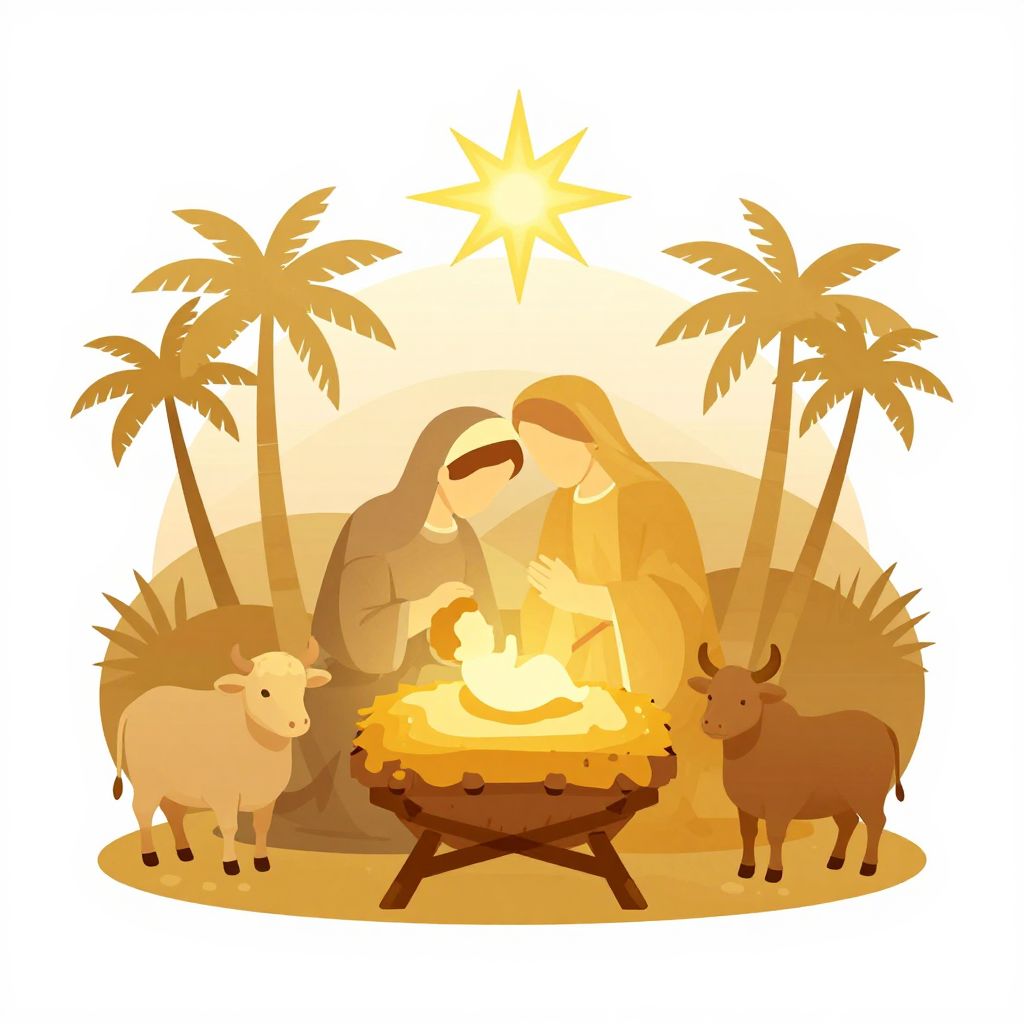
The question of whether Jesus’ birthday falls on Christmas is one that stirs the hearts and minds of many during the holiday season. Each December, people around the world celebrate the birth of Christ, but how certain can we be about the actual date? The significance of this celebration and its roots in Scripture merit thoughtful exploration.
Understanding the timing of Jesus’ birth is more than a matter of historical curiosity; it reflects the foundations of our faith and challenges us to consider the meaning of His arrival. Scripture provides insight into what we know — and don’t know — about this celebrated event.
Is Jesus Birthday On Christmas?
No, the Bible does not specify December 25 as the exact date of Jesus’ birth. Scholars debate the actual date, with some suggesting that Jesus might have been born in the spring or fall based on the biblical narrative and historical context.
Exploring the Biblical Evidence
The Gospels of Matthew and Luke provide the primary information about the birth of Jesus. Both accounts emphasize His miraculous conception and the circumstances surrounding His arrival. However, neither Gospel provides a specific date.
In Luke 2:8-12 (NIV), the shepherds receive the announcement of Jesus’ birth from angels. It states, “And there were shepherds living out in the fields nearby, keeping watch over their flocks at night.” The presence of shepherds in the fields at night suggests that lambing season was likely occurring, pointing to a time in the spring. This small detail has led many scholars to question the December date.
Historical Context of December 25
The choice of December 25 to celebrate Christmas arose in the early Christian church. By the fourth century, church leaders designated this date to coincide with the Roman festival of Saturnalia, a time of feasting and gift-giving. This alignment aimed to provide an alternative celebration, making it easier for pagans to convert to Christianity.
Though December 25 does not align with the biblical evidence regarding Jesus’ birth, it holds significant cultural and spiritual importance. The church recognized the value of commemorating the birth of the Savior and seizing the moment when people sought joy and hope.
Why Does It Matter When We Celebrate?
Understanding the actual date of Jesus’ birth is less significant than recognizing the truth of His incarnation. Christ came as a light into a dark world, and the message of His birth remains the same regardless of the date.
Reflecting on Jesus’ arrival invites us to see the heart of God. John 1:14 (NIV) states, “The Word became flesh and made his dwelling among us. We have seen his glory, the glory of the one and only Son, who came from the Father, full of grace and truth.” This truth remains the foundation of our faith.
Cultural Significance
Cultural practices surround the celebration of Christmas. Traditions such as giving gifts, decorating trees, and singing carols serve as reminders of the joy and hope brought by Jesus. Embracing these traditions can deepen our understanding of God’s love for humanity.
How does celebrating Jesus’ birth at this time of year affect your perception of God’s love? Each tradition holds the potential to lead us back to His grace and mercy.
The Spirit of Christmas
Regardless of date, the heart of Christmas should reflect Jesus’ message of love, redemption, and hope. With each ornament, every carol, and each family gathering, we can share the love of Christ with those around us.
Engaging with others during the holiday season can nurture relationships and create opportunities to share the good news. Have you thought about how you might share your faith this Christmas?
Biblical Reflections on Birth and New Beginnings
Considering the birth of Jesus leads us to reflect on themes of new beginnings throughout Scripture. God continually brings forth life, hope, and promises through unexpected circumstances.
One powerful example occurs in Genesis 21:1-2 (NIV) when Sarah gives birth to Isaac in her old age. God fulfills His promise, demonstrating that His timing and providences are perfect. Similarly, Jesus’ birth amid humble circumstances signifies God’s willingness to enter into our struggles.
Incorporating Birth Themes in Our Lives
Each year, the Christmas season invites us to contemplate new beginnings, not only in the context of Jesus’ birth but also in our lives. We can reflect on our spiritual journeys, renewing our commitments to follow Christ more closely.
How can you prepare your heart for this season? Prayerfully consider fasting, reading Scripture, or engaging in acts of kindness as ways to create space for spiritual renewal.
Combining History and Faith
Understanding the historical context of Christmas does not diminish the joy of celebrating Jesus’ birth. Instead, it grounds the celebration in the rich narrative of God’s plan for salvation.
God used history, culture, and the prophetic tradition to bring about Christ’s birth. The significance of Jesus fulfills promises made throughout the Old Testament, showcasing God’s faithfulness across generations.
Prophecies Fulfilled
Many prophecies point toward the coming of the Messiah. Micah 5:2 (NIV) states, “But you, Bethlehem Ephrathah, though you are small among the clans of Judah, out of you will come for me one who will be ruler over Israel.” The birth narrative emphasizes these prophetic fulfillments that demonstrate God’s sovereignty.
Recognizing the fulfillment of prophecy can strengthen your faith. Have you witnessed God responding in your life as He did in those biblical accounts?
The Role of Christmas in Evangelism
Christmas serves as a unique opportunity for evangelism and outreach. Many people remain open to conversations about faith during the holiday season, giving Christians a chance to share the hope of Jesus.
Consider how you can share the message of Christ’s birth with friends, family, or even acquaintances. Inviting someone to church or engaging them in discussions about faith can lay the groundwork for deeper conversations.
Creating Space for Conversations
Look for organic opportunities to share Jesus’ story. Simple acts of kindness, like baking cookies, can create moments for casual discussions. Ask someone about their Christmas traditions and share how your faith shapes your understanding of the season.
Opportunities abound to communicate the real meaning of Christmas. Are you prepared to share your faith during this season?
Preparing Our Hearts This Christmas
As Christmas approaches, take time to prepare your heart. Embrace the message of hope that Christmas offers and consider how you can apply its truth throughout the year.
Reflect on the character of God and the promises made to His people. Jesus embodies hope, love, joy, and peace. When we focus on His attributes, we lift our hearts in worship.
Practicing a Spirit of Worship
This season invites a spirit of worship and reflection. Consider creating space for prayer, singing carols, or even lighting an Advent candle to symbolize the lead-up to Christ’s arrival.
How might these acts of worship deepen your appreciation of Jesus’ birth? They can enrich your experience and keep your heart aligned with His purpose.
The Importance of Community
Christmas involves celebration with family and community. Engaging in activities that love and serve one another can reflect the heart of Christ.
Participating in community events or engaging in service projects can manifest the love of Christ in practical ways. The warmth of community reminds us of the unity we share in the Body of Christ, which is vital for our spiritual growth.
Embracing Community Traditions
Participate in local traditions that bring joy to the season. You might consider attending a Christmas Eve service or volunteering with organizations that serve those in need.
How can you engage with your community to spread joy and kindness this Christmas? Exploring these avenues can open doors for sharing His love.
Finding Peace in the Season
The holiday season can bring a mix of emotions, from joy to stress. In Christ, we find peace that transcends external chaos.
Philippians 4:6-7 (NIV) encourages us to “not be anxious about anything, but in every situation, by prayer and petition, with thanksgiving, present your requests to God.” Seek His peace amidst the busyness of the season.
Practical Steps to Cultivate Peace
Consider implementing practices that promote peace, such as quiet reflection, prayer, and creating boundaries around holiday activities. Fostering a peaceful heart allows you to approach the season with joy and gratitude.
Have you considered how setting aside daily moments for quiet could reshape your experience this Christmas?
Christmas as a Time for Generosity
Christmas naturally calls for giving, as demonstrated by the gifts presented to Jesus by the Magi. Generosity should not only be limited to material gifts but extend to kind words, time, and prayers.
James 1:17 (NIV) reminds us that “Every good and perfect gift is from above.” Every moment spent in service is a reflection of God’s love in action.
Engaging in Acts of Kindness
Look for opportunities to be generous with your time and resources. Consider volunteering at a local charity, donating to food banks, or simply reaching out to a friend in need.
How can you embody generosity this Christmas? Little acts can echo God’s love deeply in someone’s life.
Conclusion: Holding on to the True Meaning of Christmas
The question of whether Jesus’ birthday is on Christmas invites deeper contemplation. While December 25 may not be the literal date of His birth, the significance of Christ’s arrival remains powerful.
As Christmas approaches, hold fast to the truth that Jesus embodies hope, love, and redemption. Keep your heart open to the Spirit of God during this time of celebration.
In what ways can you ensure that this season shines brightly with His love? Embrace the opportunity to share Jesus with those around you.
Consider exploring more faith-based topics and articles, such as Jesus is the Reason for the Season or What Does the Bible Say About Jesus, to deepen your understanding of this incredible season.
1 thought on “Is Jesus Birthday on Christmas? (Bible Answer Explained)”