
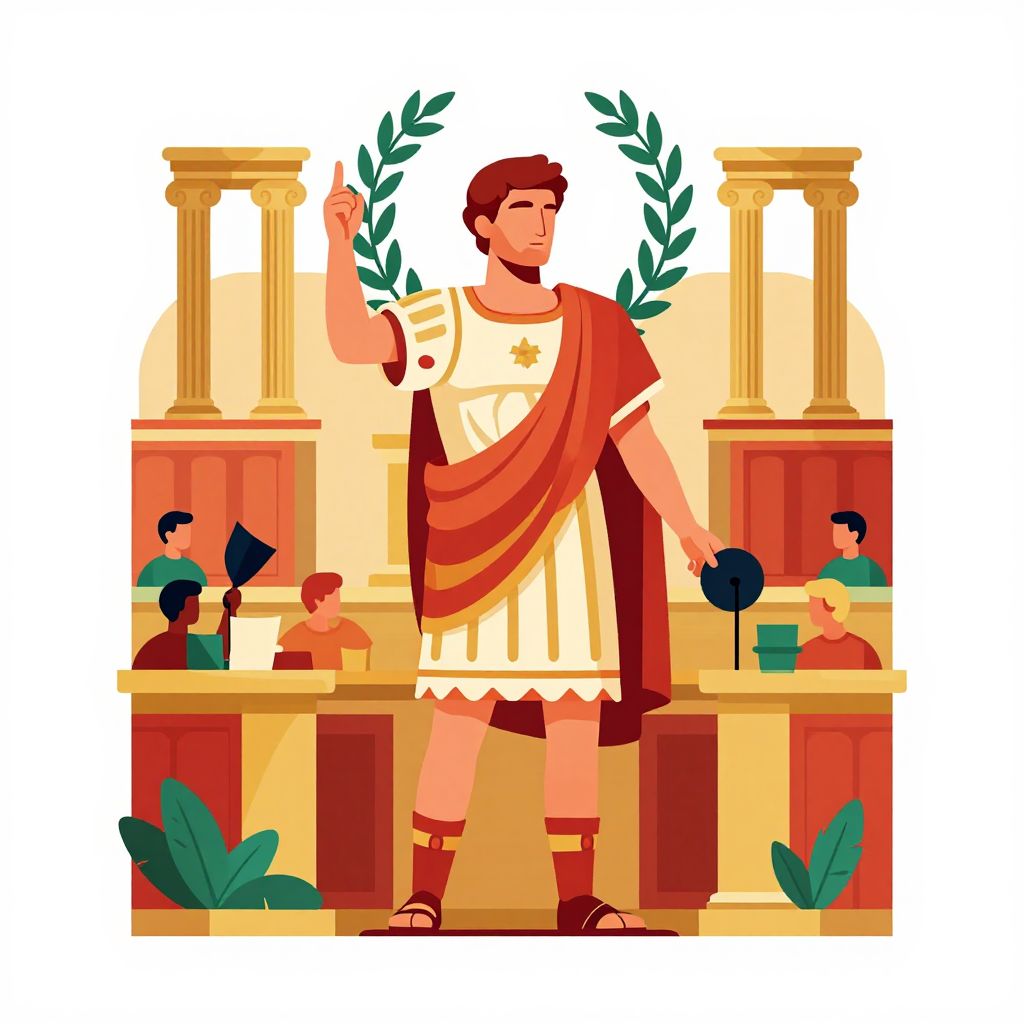
Have you ever wondered about the intersections between history and faith? Many people find themselves grappling with the question of how historical figures fit into biblical narratives. One question that arises frequently is whether Julius Caesar makes an appearance in the Bible. This inquiry leads us to explore how historical timelines align with Scripture and what that means for our understanding of God’s sovereignty in all things.
The exploration of Julius Caesar in connection with the Bible uncovers profound insights into God’s overarching plan for humanity. While Caesar himself does not appear as a character in the biblical text, his influence permeates the New Testament, affecting the context of Christ’s life and the early Church.
Is Julius Caesar In The Bible?
Julius Caesar is not mentioned directly in the Bible. However, his actions and decisions play a significant role in the historical and political backdrop of the New Testament period, particularly in relation to the Roman Empire and its governance of Judea.
The Historical Context of Julius Caesar
To understand the significance of Julius Caesar concerning the Bible, one must first grasp who he was. Julius Caesar was a Roman general and statesman whose actions transformed the Roman Republic into the Roman Empire. His crossing of the Rubicon in 49 BCE marked the start of a civil war that ultimately led to his dictatorship.
Caesar was assassinated on the Ides of March, 44 BCE, a pivotal moment in Roman history. His death not only influenced the political landscape but also set the stage for the rise of his adopted heir, Octavian (later known as Augustus), who became the first Roman emperor.
The Roman Empire and the New Testament
The New Testament unfolds against the backdrop of Roman rule. After taking control, Augustus instituted a census that influenced events in Jesus’ early life, as noted in Luke 2:1-3. This census required Joseph and Mary to travel to Bethlehem, fulfilling the prophecy found in Micah 5:2 about the Messiah’s birthplace.
Understanding the Roman political landscape during Jesus’ time helps one appreciate the weight of the disciples’ mission when Jesus commanded them to “go and make disciples of all nations” (Matthew 28:19).
Impact of Caesar’s Policies
Julius Caesar’s policies and military conquests made the Mediterranean region a significant area for the spread of the Gospel. His establishment of peace (Pax Romana) allowed for safer travel and communication across the empire. One can see how this environment created fertile ground for the apostle Paul’s missions.
Paul took advantage of the Roman roads and the relative peace Caesar’s successors provided to spread the message of Christ further than ever before.
The Roman Political Structure
Understanding the governance structure that followed Caesar reveals more about how the early Christians lived out their faith. After Caesar’s assassination, Rome was led by a series of emperors, including Augustus and later Nero, under whose reign Christians faced severe persecution.
In John 19:12-16, Pontius Pilate (the Roman governor) interacts with Jesus, which underscores the authority that Rome held over the Jews. Pilate’s decisions showcase the tension between the Roman Empire and the Jewish leaders, reflecting the struggles early Christians faced.
Cultural Implications for Early Christians
As early Christians navigated their faith in an empire that demanded allegiance to Caesar, they often faced persecution for not worshiping the Emperor. Romans expected subjects to honor the emperor as a divine figure, creating a conflict for those who believed Jesus reigns above all.
How do you relate to authority figures in your life? Are there places where your faith challenges societal norms? Reflecting on these questions can deepen your understanding of standing firm in faith.
Julius Caesar’s Legacy in Scripture
While Caesar himself is absent from the Scriptures, his legacy influences various writings in the New Testament. For instance, the term “Ceasar” appears in contexts like Matthew 22:21, where Jesus states, “Give back to Caesar what is Caesar’s, and to God what is God’s.” This approach highlights a crucial principle of discerning the roles of both earthly authority and divine sovereignty.
The shift from a Republic led by the Senate to an Empire under a singular ruler reflects themes of human authority versus God’s ultimate authority. The teachings of Jesus and the apostles revolve around the idea of God’s kingdom, contrasting sharply with the worldly powers of Rome.
Exploring Biblical Themes of Authority
Throughout the Bible, themes of authority and submission emerge clearly. Romans 13:1 instructs believers to submit to governing authorities, establishing that no authority exists except those God has established. This principle can help Christians navigate challenges when confronting government mandates that may contradict their faith.
What does submitting to authority look like in your life? How do you balance this with your commitment to Christ?
Paul’s Teaching on Authority
Paul addresses issues of authority extensively in his letters. In Ephesians 6:5-9, he encourages slaves to obey their earthly masters as they would obey Christ. This passage invites deeper reflection on authority dynamics both in the workplace and everyday life.
How do your daily actions reflect your commitment to biblical principles in the various authorities you interact with?
The Apostolic Age in Context
During the apostolic age, the growing Church faced external pressures from Roman authorities. Believers often had to decide whether to obey commands that contradicted their faith. Acts 5:29 illustrates this tension when Peter and the apostles insisted, “We must obey God rather than human beings.”
These challenges brought forth a resilient and courageous faith. Followers of Christ learned to stand firm despite significant threats, often leading to their own martyrdom.
Lessons from Caesar’s Time for Today’s Believer
The absence of Julius Caesar from Scripture does not diminish the lessons learned from that era. Instead, it amplifies the call for Christians today to navigate their faith amidst cultural and political complexities.
Our faith becomes a lens through which we view authority: all rulers and leaders ultimately operate under God’s sovereignty, forming a basis for a believer’s response to governance.
Take time to reflect on the following principles to integrate into your own life:
- Recognize God’s sovereignty over all authorities.
- Engage with political issues through a biblical lens.
- Model grace and courage when encountering opposition.
- Pray regularly for leaders and those in authority.
- Stand firm on biblical truths in the face of cultural challenges.
Praying for Leaders
1 Timothy 2:1-2 urges believers to pray for everyone, especially those in authority, so that we may lead peaceful and quiet lives. Starting and maintaining a habit of prayer for leaders helps keep our perspective aligned with God’s purpose.
How do you incorporate prayer into your understanding of current political environments?
Conclusion
Julius Caesar may not appear in the Bible, but his historical significance profoundly impacts how we understand the New Testament and the early Christian church. The sovereignty of God in history teaches that all authority, earthly or heavenly, bows to Him.
Challenge yourself to explore authority in your own life through prayer, reflection, and acknowledgment of God’s ultimate leadership. By doing so, you will grow more courageous in your faith, just as early Christians did.
Explore more faith-based topics and articles to deepen your understanding of Scripture. Discover who was the emperor of Rome when Jesus was crucified, and learn how we got the Bible to appreciate its divine inspiration.