
Have you ever wondered what dietary guidelines the Bible provides? It can feel overwhelming to navigate the scriptures while trying to honor God with what we eat. Understanding what animals the Bible advises against eating not only informs our dietary choices but also deepens our relationship with God through obedience to His word.
This article explores the specific animals that the Bible says not to eat and why these guidelines matter for Christians today. We will delve into the scriptural basis for these prohibitions, uncover the principles behind them, and consider their relevance for modern believers.
What Animals Does The Bible Say Not To Eat?
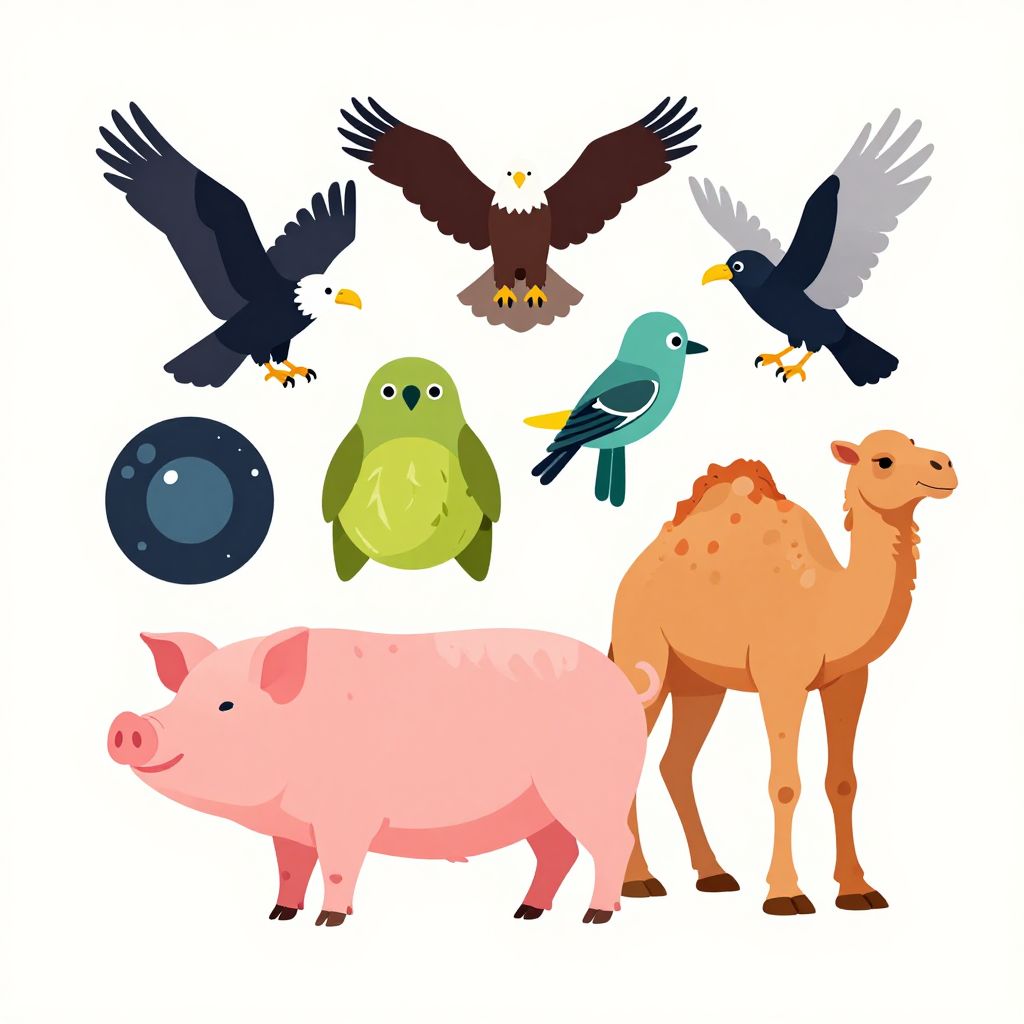
The Bible specifies several animals that are considered unclean and are therefore not to be eaten by God’s people. These prohibitions are mainly found in the Old Testament, specifically in Leviticus 11 and Deuteronomy 14. Animals that should not be consumed include:
- Swine (pork)
- Carnivorous animals (like lions and tigers)
- Birds of prey (like eagles and vultures)
- Certain insects (like those that swarm and are considered unclean)
- Fish without fins and scales (like catfish)
Leviticus 11: Specific Guidelines
In Leviticus 11, God gives the Israelites detailed instructions about clean and unclean animals. The guidelines categorize animals based on dietary laws, emphasizing their purity and holiness. This chapter serves as a foundation for understanding God’s desire for His people to maintain a lifestyle reflecting His holiness.
When the text lists animals, it does so with both clarity and purpose. For example, in Leviticus 11:7-8, swine are called unclean due to their digestion process. They have cloven hooves but do not chew the cud. This dual characteristic serves as a spiritual lesson for God’s people, encouraging them to be discerning about what they consume.
Deuteronomy 14: The Reminder
Deuteronomy 14 restates and elaborates on the dietary laws laid out in Leviticus. In this chapter, God emphasizes the importance of obedience to these laws, reminding the Israelites that their behavior reflects their relationship with Him.
Deuteronomy 14:3-21 reiterates the animals deemed unclean and instructs the people to avoid them. The act of following these dietary laws signifies their commitment to God’s covenant. It challenges believers to think about their own practices and choices, asking: Do my eating habits reflect my faith?
The Significance of Clean and Unclean Animals
Understanding the distinction between clean and unclean animals goes beyond merely avoiding certain foods. It opens the door to deeper insights into God’s character and His call for holiness among His people.
Holiness and Separation
The dietary restrictions illustrate God’s desire for His people to remain set apart from the nations around them. By following these guidelines, the Israelites distinguished themselves through their practices. This principle of separation still applies to us today, as we are called to live in a way that reflects God’s values.
How can we apply this call to holiness in our own lives? It may involve making choices that align with God’s character, even when the surrounding culture promotes alternative values. Reflecting on God’s guidance can inform our daily decisions, whether related to diet or lifestyle.
Faith and Obedience
Obedience to dietary laws challenges God’s people to trust His wisdom. This principle echoes throughout Scripture, underscoring that our faith is evident through our actions. God desires sincere obedience over mere ritualistic compliance.
Jesus references this idea in Mark 7:14-19, clarifying that what enters a person does not make them unclean, but rather what comes from the heart. This revelation highlights the importance of internal character over outward appearances. However, it does not nullify the earlier commandments; instead, it shifts the focus to aligning our motives with God’s intentions.
Modern Application of Dietary Laws
While many Christians recognize that the dietary laws of the Old Testament no longer bind them, they still hold relevance for Christian living today. Understanding these commandments can inform how believers approach their health, relationships, and spiritual lives.
Spiritual Discernment
The teachings in Leviticus and Deuteronomy guide believers to develop spiritual discernment when it comes to choices in their lives. Engaging with Scripture deepens our awareness of what glorifies God.
This call for discernment invites believers to question their consumption habits, whether that pertains to food, media, or other influences. Spiritually discerning what aligns with God’s values helps develop a character that pleases Him.
Health and Well-being
Many of the animals labeled as unclean in the Bible also pose health risks. For example, pork can carry parasites and diseases if not prepared correctly. Following biblical guidelines may protect physical health.
What practices can you adopt for your health? Rely on God’s wisdom while making choices about your diet and lifestyle. Prioritizing well-being honors the body He has entrusted to you.
Reasons Behind the Prohibitions
To understand why God issued these prohibitions, we must consider His purposes. Each command reflects something deeper about His character and His relationship with humanity.
Purity and Holiness
The theme of purity runs through the prohibitions given in the Bible. Clean animals often reflect God’s holiness. By avoiding unclean animals, the Israelites symbolically separated themselves from sin and impurity.
Do today’s Christians recognize this pursuit of purity? Reflecting on our choices reveals our commitment to living a life that embodies God’s goodness and righteousness.
Identity and Heritage
The dietary laws helped shape the identity of the Israelites as God’s chosen people. Every restriction served to remind them of their heritage and relationship with Him.
In what ways does our faith inform our identity today? Understanding our identity as children of God encourages believers to embrace the calling of holiness in every aspect of life.
What About the New Testament?
In the New Testament, the question of dietary laws arises when the early church grapples with the inclusion of Gentiles. Acts 10 recounts Peter’s vision, where a sheet descends from heaven filled with unclean animals. The voice of God tells Peter, “Do not call anything impure that God has made clean” (Acts 10:15).
This moment signifies a shift in God’s plan, where the Gospel breaks down barriers between people. Believers now focus on heart transformation rather than adhering strictly to dietary laws.
Freedom in Christ
Faith in Jesus Christ frees believers from the obligation of the law. However, this newfound freedom must be tempered by love and responsibility. Paul discusses this concept in Romans 14, emphasizing that believers should not cause others to stumble in their faith due to their freedoms.
How can Christians practice love and consideration within their freedoms? This question invites every believer to thoughtfully reflect on their choices and habits in a communal context.
Finding Balance and Guidance
As believers navigate dietary choices, it’s crucial to strike a balance between freedom and obedience. The Bible presents numerous principles that can guide our decisions on what to eat.
Seeking God’s Wisdom
Proverbs 3:5-6 encourages believers to trust in the Lord with all their heart. This principle applies not only to life decisions but also to daily living, including diet.
By seeking God’s wisdom in our choices, we become more attuned to His voice and guidance, creating a lifestyle that honors Him.
Community and Accountability
God designed believers to live in community. Engaging with others in discussions about life choices helps cultivate wisdom. Accountability in dietary habits can encourage healthier choices.
How can you engage with your faith community regarding practical choices? Consider opening up dialogues about how to honor God in this area of life.
Concluding Thoughts
Understanding the dietary laws from a biblical perspective offers valuable insights into how to live a life pleasing to God. While believers may not be bound by the same restrictions as the Old Testament Israelites, the principles of holiness, obedience, and discernment remain vital.
As you seek to honor God with your habits, remember that every choice impacts your relationship with Him. Consider how the guidance found in Scripture can shape your attitude toward what you eat and how you live.
Create an opportunity to thank God for His wisdom in these matters and commit to seeking His guidance in your eating habits and lifestyle choices. Following Christ is about aligning every aspect of your life, including what you eat, with His values and calling.
To explore more faith-based topics and articles, consider reading what the Bible says about eating meat at what the Bible says about eating meat and also check out what the Bible says about eating in general at what the Bible says about eating.