
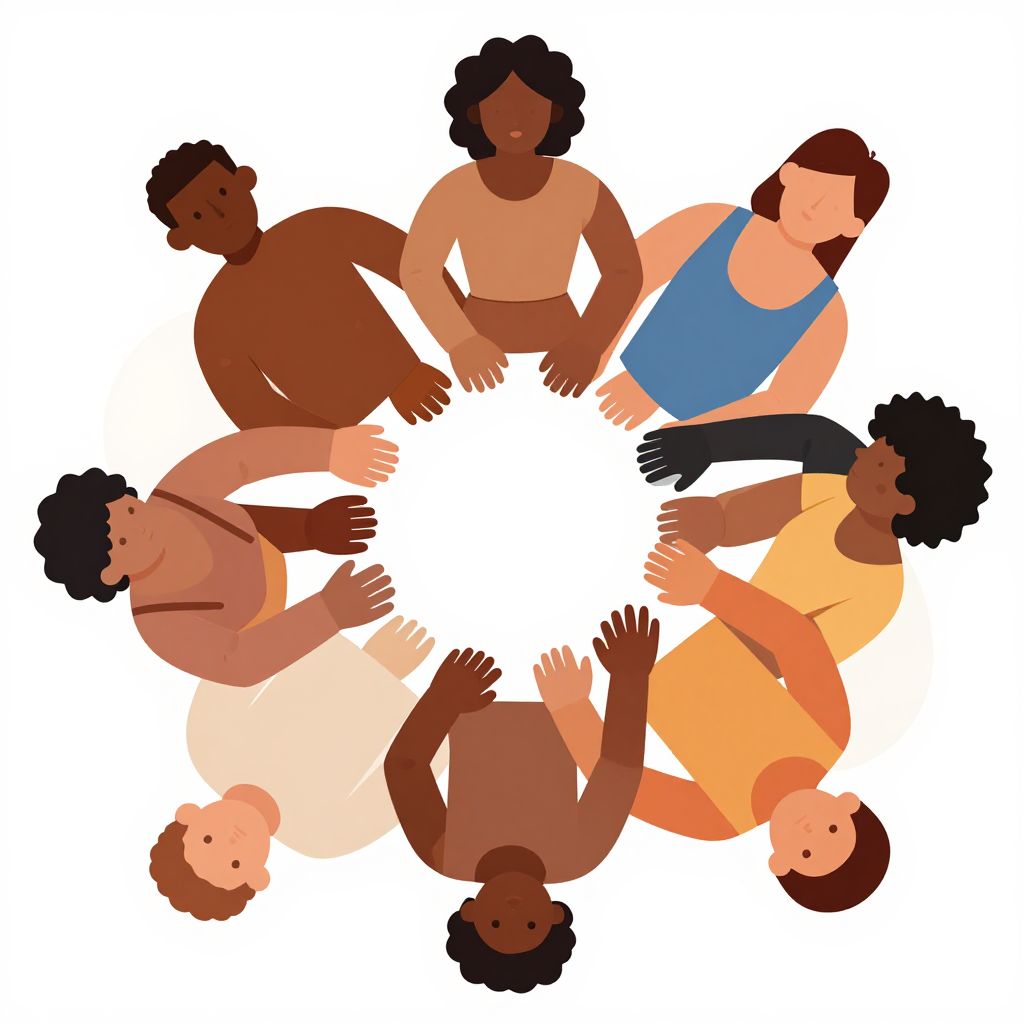
Have you ever wondered how God views the diversity of races among His creation? In a world that often seems divided by racial lines, many Christians seek biblical wisdom on the issue of mixing races. Understanding God’s perspective on this matter is vital for fostering love, unity, and understanding within the Body of Christ.
This article seeks to explore what Scripture says about mixing races, emphasizing the call for love and acceptance among all people. We will examine key biblical passages, the heart of God regarding race, and how believers can actively embrace diversity in a Christ-like manner.
What Does The Bible Say About Mixing Races?
The Bible encourages unity and love among all races. Galatians 3:28 states, “There is neither Jew nor Gentile, neither slave nor free, nor is there male and female, for you are all one in Christ Jesus.” This verse illustrates that in Christ, earthly divisions fade away. God’s desire is for His children to recognize their shared identity in Him.
Understanding God’s Creation
In Genesis 1:27, Scripture tells us that God created mankind in His image. This act does not favor one race or ethnicity over another. Each group reflects aspects of God’s multifaceted character. Have you appreciated the beauty of God’s creation in others that may look different than you?
The sheer variety of races and ethnicities showcases God’s creativity. Revelations 7:9 supports this by depicting a diverse assembly of believers from every nation, tribe, people, and language before the throne of God. This imagery emphasizes unity in diversity, reinforcing the idea that every culture has value.
The Old Testament Perspective
Some argue that the Old Testament advocates for separation between races. Deuteronomy 7:3 cautions Israel against intermarriage with other nations. However, this context shows God’s concern was more about preserving covenant faithfulness than promoting racial superiority.
Throughout the Old Testament, we find examples of God’s inclusion. Rahab, a Canaanite woman, became part of Jesus’ lineage. Ruth, a Moabite, offered loyalty to Naomi and became one of the books of the Bible bearing her name. God’s love extended beyond Israel to those outside the covenant.
The Heart of God in the New Testament
Jesus’ ministry further emphasizes breaking down racial barriers. His interaction with the Samaritan woman in John 4 showcases this beautifully. During this encounter, Jesus disregards social norms to offer her living water, establishing that salvation is for all, regardless of background.
The Great Commission
The Great Commission in Matthew 28:19-20 extends Jesus’ mission to all nations. This command shows that the Gospel is for everyone, not just a select group. How can you participate in spreading the message of Christ to those from different backgrounds?
Paul’s Teaching on Unity
Paul’s letters frequently address the issue of unity among believers of various backgrounds. In Ephesians 2:14-16, he states that Christ has broken down the dividing wall of hostility, creating peace between Jews and Gentiles. This passage clearly illustrates God’s heart for reconciliation among all people.
In 1 Corinthians 12:12-13, Paul likens the body of Christ to a diverse human body. He reminds us that each part is vital, regardless of its appearance or function. This metaphor applies to the Church, which includes individuals from all races working together for the sake of the Gospel.
Cultural Diversity and the Church
Embracing cultural diversity enriches the church. The Bible celebrates differences among believers and values different cultures’ contributions. Revelation 21:24 indicates that the nations will walk in the light of God’s glory. Different cultures offer unique perspectives on faith and worship.
When the church embraces diversity, it becomes a better reflection of God’s kingdom. It fosters community while promoting healing and understanding. How can your local church better reflect the racial and ethnic diversity in your community?
Practical Steps for Embracing Diversity
- Foster Relationships: Engage with people from different backgrounds and learn about their cultures.
- Encourage Diverse Leadership: Support multicultural leadership within your church.
- Celebrate Cultural Events: Participate in community events that celebrate diversity.
- Promote Inclusion: Ensure your church creates an environment where everyone feels welcome.
Addressing Challenges and Misunderstandings
Some may feel uncomfortable discussing race. It is essential to address concerns without fear. Ephesians 4:15 encourages us to speak the truth in love. Honest conversations can lead to understanding and deeper relationships.
When conflicts arise over racial issues, believers should respond with grace and humility. Expressing compassion and seeking to understand differing perspectives can aid in reconciliation. Remember, unity does not mean uniformity; differences can coexist within God’s family.
The Role of Scripture in Guiding Our Conversations
The Bible urges believers to navigate conflicts through love and understanding. James 1:19 instructs us to be quick to listen, slow to speak, and slow to become angry. This principle applies significantly to discussions around race and cultural differences.
Whether discussing challenging issues or sharing joyful experiences, let every word reflect Christ’s love and understanding. This approach fosters an environment where every voice matters.
Conclusion: A Call to Action
God’s Word reveals a clear vision of unity amid diversity in the body of Christ. Embracing people from all backgrounds reflects God’s heart for humanity and draws us closer to His image. Actively seek ways to engage with mixed races, breaking down barriers and extending love where division exists.
Pray for God to soften your heart toward those who are different from you. Ask for clarity in how to engage meaningfully and compassionately with others in your community. Every meaningful step towards connection builds God’s kingdom and demonstrates the love Christ showed us. What action will you take today to foster unity amid diversity?
To explore more faith-based topics and articles, visit What Does the Bible Say About Race or check out What Does the Bible Say About Mixing Races.
1 thought on “What Does the Bible Say About Mixing Races? (Explained)”