
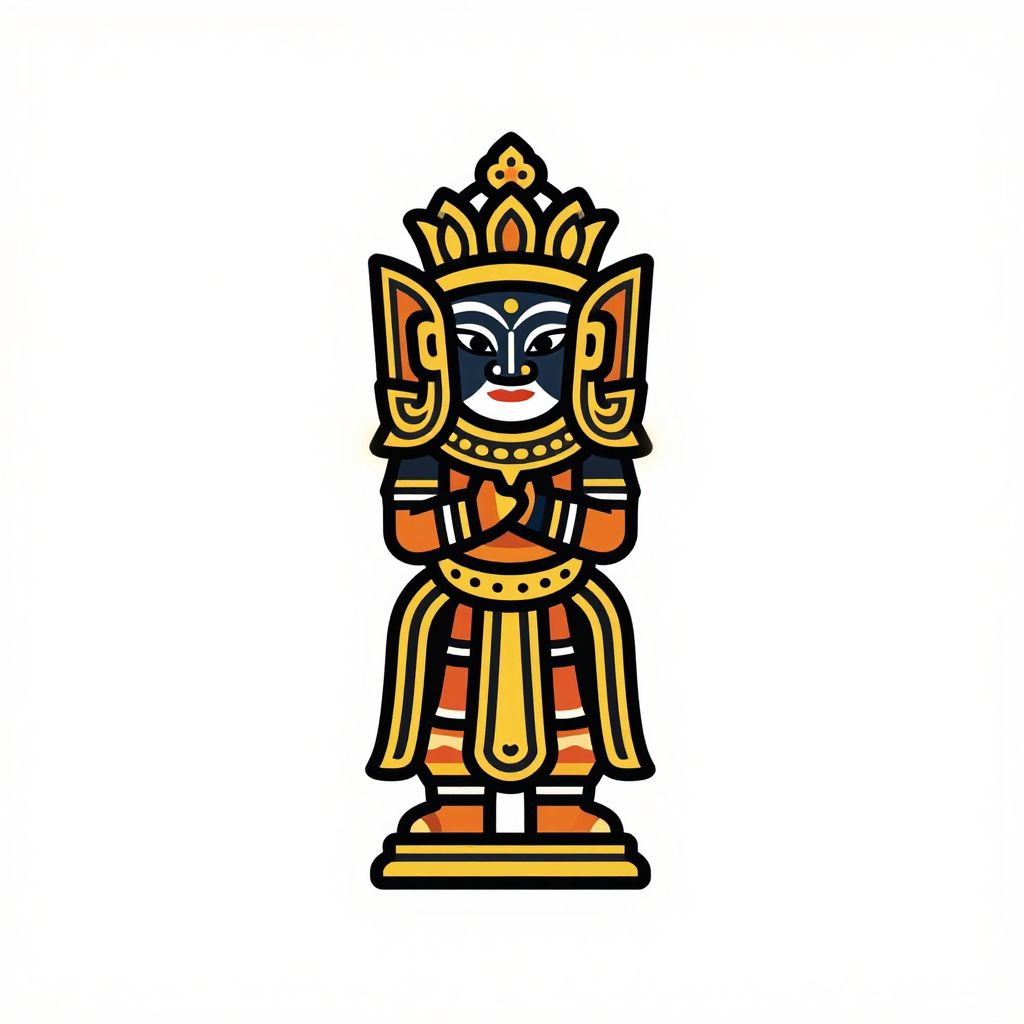
Have you ever felt pulled in so many directions that it seems impossible to focus on God? In a busy world filled with distractions, understanding what constitutes an idol in the Bible becomes essential. Idols are more than just statues or images; they represent anything that takes the place of God in our hearts and minds.
This article will explore the biblical concept of idols, their origins, and implications for our daily lives. This discussion is grounded in Scripture and offers practical insights for cultivating a life centered on God.
What Is An Idol In The Bible?
An idol in the Bible refers to anything that replaces or competes with God in our affections and priorities. This can include physical objects, thoughts, or even relationships that draw us away from worshiping and following God. The Bible frequently warns against the worship of idols, encouraging believers to keep God at the center.
Understanding Idols in the Old Testament
The Old Testament is filled with references to idols, primarily in the context of Israel’s history. The Israelites struggled with idolatry, bowing down to golden calves and foreign gods. In Exodus 20:3–5, God declares, “You shall have no other gods before me.” This commandment emphasizes the centrality of God in the life of His people.
Many times, the Israelites turned to idols during moments of crisis, seeking comfort, assurance, or help. Why do we find in our own lives that we sometimes turn to things other than God when facing challenges? Are smartphones or social media rising in our priorities? These questions urge us to examine our own hearts.
Types of Idols
Idols in the Bible can take various forms. Here are some categories to consider:
- Physical Idols: Material statues or images, like the golden calf in Exodus 32, symbolize pagan worship.
- Emotional Idols: Relationships or feelings that overshadow our love for God. For instance, one’s partner or family can become an idol if they divert our worship away from God.
- Intellectual Idols: Ideas or philosophies that contradict God’s truth and lead us away from biblical teachings.
- Spiritual Idols: Any practice or belief that usurps God’s authority in our lives. This often includes false religions or beliefs that minimize Jesus’ sacrifice.
Lessons from Israel’s Idolatry
The repeated cycle of sin, judgment, and repentance in Israel’s history teaches us vital lessons about idolatry. Each time they turned to idols, they experienced God’s judgment and despair. Yet, each time they repented, God’s mercy prevailed.
Consider the call to repentance in Jeremiah 3:12–14, where God invites His people back after their waywardness. What areas in life might require repentance for prioritizing idols over God? Reflecting on these areas enables growth in our spiritual journey.
The New Testament Perspective on Idolatry
In the New Testament, idolatry takes on a broader meaning. While physical idols still exist, the focus shifts to the condition of the heart. In 1 John 5:21, believers are warned, “Dear children, keep yourselves from idols.” This call implies that idols can exist in more subtle forms within our hearts.
Common Idols in Modern Life
In contemporary society, we encounter idols in various forms. Common examples include:
- Materialism: The pursuit of wealth and possessions can overshadow our relationship with God.
- Success: The desire for recognition or achievement can lead to prioritizing work or status over spiritual growth.
- Relationships: Idolizing friends, family, or romantic partners can distract us from God’s will.
- Entertainment: Excessive focus on entertainment can take time away from prayer and worship.
What idols might be present in your life? Taking the time to reflect on that can lead to spiritual clarity. Ask yourself: Are certain activities pulling me away from my relationship with God?
The Heart of Idolatry
At the heart of idolatry lies a core issue: misplaced affection. In Matthew 6:21, Jesus explains, “For where your treasure is, there your heart will be also.” This verse invites serious contemplation about what we value most. What captures your attention, efforts, and heart? If it strays away from God, it becomes an idol.
This calls for an honest evaluation of priorities. Is worshiping God, spending time in the Word, or engaging in fellowship prioritized over other activities? This self-examination uncovers potential idols we need to confront.
Overcoming Idolatry
Understanding how to overcome idols requires dedication and intentional actions. Here are practical steps to break free from idolatry:
- Identify: Recognize what idols exist in your life. Reflect on where you spend your time, energy, and thoughts.
- Repent: Take your findings to God. Ask for forgiveness for allowing anything to take His rightful place.
- Replace: Intentionally choose God over idols. Fill your time with prayer, Bible reading, and worship.
- Seek Accountability: Connect with other believers who can support and encourage you in your spiritual growth.
God’s Promises Amidst Idolatry
Even in our failures, God’s grace remains abundant. In Isaiah 41:10, God promises, “So do not fear, for I am with you; do not be dismayed, for I am your God.” This assurance brings hope. No matter how far we stray, God invites us back to Himself.
God’s loving kindness empowers us to overcome any idols in our lives. His mercy allows for transformation. Each step taken towards Him fortifies our faith.
Idolatry and Community
Christians are called to live in community, and this plays a significant role in facing idolatry. In Hebrews 10:24–25, believers are encouraged not to neglect meeting together. Why? Community helps us hold one another accountable, encouraging spiritual growth.
Identifying idols can sometimes be challenging because they disguise themselves in our daily lives. Engaging in supportive community allows others to speak truth into our experiences. Who can you turn to for accountability? Building healthy friendships rooted in Christ promotes spiritual victories.
The Power of Worship
Worship serves as a powerful weapon against idolatry. As we focus on honoring God, our hearts realign with His purpose. Colossians 3:2 urges us to “Set your minds on things that are above, not on things that are on earth.” This principle encourages us to redirect our attention away from earthly distractions.
Consider incorporating worship into daily life. Whether through singing, prayer, or reading Scripture, worship shifts our focus back to God. How often do you set aside time to engage in heartfelt worship? Finding moments to encounter God can dismantle the stronghold of idols.
Idolatry and the Antichrist
Scripture warns about deception in the last days, including the rise of the Antichrist. In Revelation 13, this figure demands worship, drawing people away from God. This provides a stark reminder to be vigilant against any form of idolatry, especially in light of troubling doctrines that may arise.
Understanding what the Bible says about the Antichrist provides insight into the ultimate deception we could face. How can we prepare ourselves spiritually for times of challenge and confusion? Regularly immersing ourselves in God’s Word helps sharpen discernment.
Conclusion: Keep God First
Idolatry, whether ancient or modern, remains a significant issue for believers. It redirects our focus from God to lesser things. The good news is God invites us to rethink what holds our heart. When we keep God at the center, we experience His peace and provision.
Examine your life for potential idols. Pray for the strength to identify and remove them. Surround yourself with a supportive community and focus on worship. Choose to cultivate a heart that treasures God above all.
As you pursue these steps, hold on to the promise found in James 4:8: “Draw near to God, and he will draw near to you.” Embracing this truth strengthens your faith and helps dismantle any idols.
Explore more faith-based topics and articles on subjects such as jealousy in the Bible or the Antichrist. Engage with the Word, grow in your faith, and walk closer to the God who truly deserves your worship.
5 thoughts on “What Is an Idol in the Bible? (Bible Answer Explained)”