
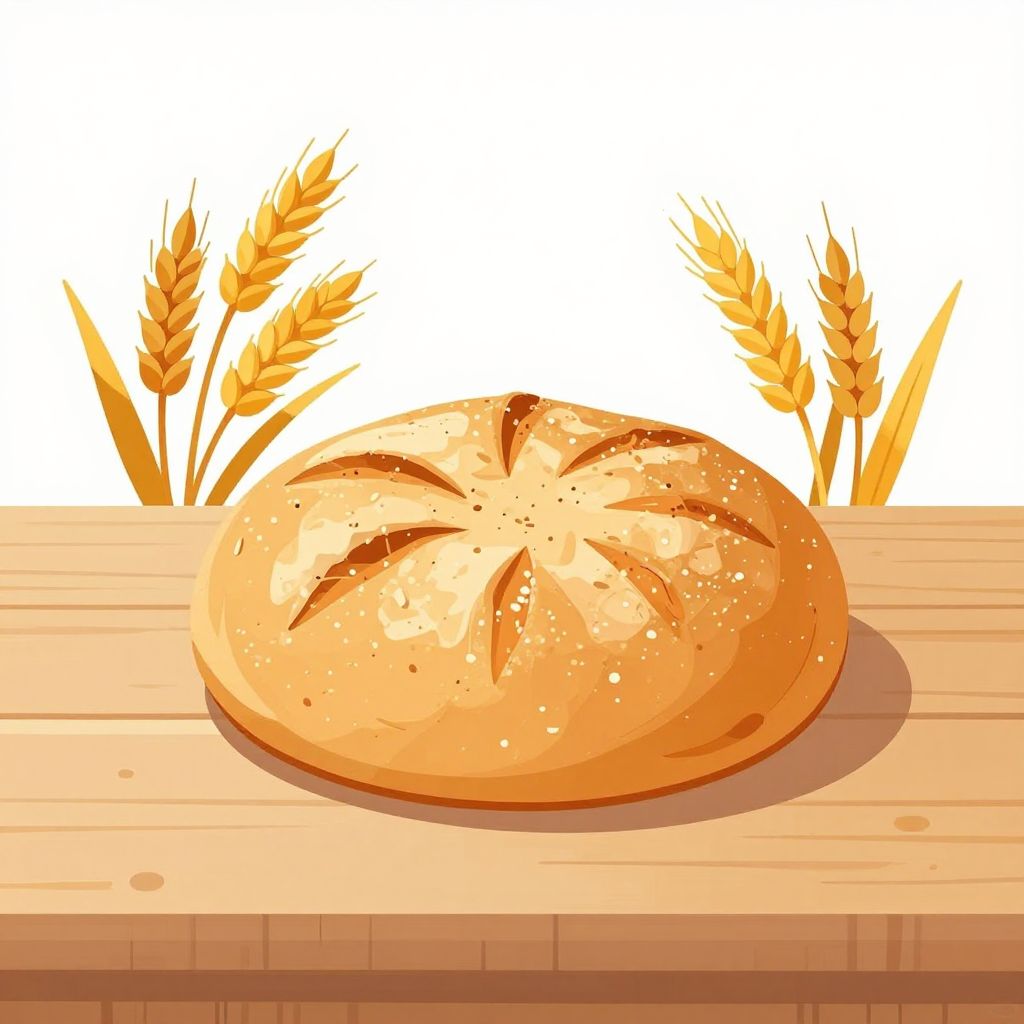
Have you ever wondered why the Bible emphasizes unleavened bread? It’s more than just a dietary choice; it carries profound spiritual significance. Understanding what unleavened bread represents illuminates God’s character and intentions for His people.
This article will explore the role of unleavened bread in the Bible, from its historical context to its symbolic meanings, enhancing our comprehension of God’s covenant with His people and the life of Jesus Christ.
What Is Unleavened Bread In The Bible?
Unleavened bread in the Bible refers to bread made without leaven (yeast), which causes dough to rise. It symbolizes purity and the urgency of God’s deliverance, chiefly seen during the Passover and the Feast of Unleavened Bread as detailed in Exodus 12:15.
Historical Context of Unleavened Bread
Understanding the history of unleavened bread leads us to ancient Israel, specifically during the Exodus from Egypt. In Exodus 12, God commanded the Israelites to prepare unleavened bread when they were to leave in haste (Exodus 12:39). The bread’s lack of leaven highlights the urgency of their escape from slavery.
The Israelites had to follow God’s instructions precisely. This obedience led to their deliverance. The absence of leaven during their flight became a perpetual reminder of their slavery and the need for divine intervention.
The Significance of Leaven in the Bible
Leaven often represents sin or corrupting influence in Scripture. In Galatians 5:9, Paul warns that “a little leaven leavens the whole lump.” This imagery illustrates how sin can spread and corrupt integrity if left unchecked.
When God commanded the use of unleavened bread, it was to signify purity. By consuming unleavened bread, the Israelites acknowledged their need for holiness and separation from sinful influences.
The Feast of Unleavened Bread
The Feast of Unleavened Bread follows the Passover and lasts for seven days, as outlined in Exodus 12:17-20. This feast is a time when Israelites abstain from leaven, reinforcing their commitment to God and remembrance of His deliverance.
The Purpose of the Feast
The Feast serves multiple purposes. Firstly, it is a reminder of God’s deliverance. By refraining from leaven, the Israelites recalled their desperate escape from Egypt. Secondly, it is a call to spiritual purification.
God desires His people to be set apart, and the feast serves as an ongoing reminder of their covenant relationship with Him. It emphasizes the importance of living with integrity and devotion to God’s commands.
Modern Application of the Feast
The application of the Feast of Unleavened Bread is still relevant for believers. While we may not observe this feast in the same manner, we can embrace its principles. It invites self-reflection and a commitment to holiness.
Have you examined your life for any ‘leaven’? What areas might need God’s purification and transformation?
Unleavened Bread in the New Testament
Unleavened bread finds further significance in the New Testament, especially during the Last Supper, where Jesus broke bread with His disciples. While the text doesn’t specify the type of bread, the context suggests a connection to unleavened bread used in Passover meals.
The Last Supper
During the Last Supper, as recorded in Matthew 26:26, Jesus uses bread as a symbol of His body. This act connects back to the symbolism of unleavened bread, signaling purity and sacrifice. Jesus, the perfect Lamb of God, fulfills the Passover’s ultimate meaning.
This moment reveals God’s love for humanity and His commitment to providing a way for redemption. Jesus’ broken body on the cross mirrors the unleavened bread’s symbolism—untainted, pure, and essential for salvation.
Jesus and the Bread of Life
In John 6:35, Jesus declares, “I am the bread of life.” This affirmation deepens the connection between Him and unleavened bread. As the bread of life, Christ offers spiritual sustenance, nourishing believers and providing the means for eternal life.
Just as yeast influences dough, sin can affect spiritual health. Jesus offers Himself as the antidote to sin’s leaven, inviting us to partake in His presence. This highlights the significance of remaining close to Him, cherishing the purity He provides.
Symbolism of Unleavened Bread
Unleavened bread serves as a powerful symbol throughout Scripture, encapsulating themes of purity, urgency, and divine deliverance.
Purity and Holiness
God calls us to live a life of holiness. The symbolism of unleavened bread emphasizes His desire for His people to be pure. In 1 Peter 1:16, we read, “Be holy, because I am holy.” Striving for purity in our thoughts and actions mirrors the call of unleavened bread.
Urgency of Obedience
The historical context of unleavened bread speaks to the urgency that comes from obedience. God often calls His people to act quickly and decisively in faith. Are we responding with such urgency when we sense His call?
Divine Deliverance
Unleavened bread reminds believers of God’s faithfulness to deliver. Just as He liberated the Israelites, He offers freedom from sin through Christ. Reflecting on this aspect encourages gratitude for the work He has done in our lives.
Practical Steps for Embracing Purity
To embody the lessons of unleavened bread, consider these practical steps:
- Examine personal beliefs and actions. Are they aligned with Christ’s teachings?
- Practice confession. Regularly bring your struggles to God and seek His forgiveness.
- Immerse yourself in Scripture. God’s Word serves as a guide for living holy lives.
- Engage in community. Surround yourself with believers who will encourage and support your walk with Christ.
Conclusion
Unleavened bread serves as a rich symbol throughout Scripture, representing purity, urgency, and divine deliverance. From the Exodus to the Last Supper, it retains its powerful meaning for believers today.
As we reflect on the significance of unleavened bread, we are called to live in obedience, pursue holiness, and celebrate our deliverance through Christ. In what ways can embracing these principles transform your faith walk?
Explore more faith-based topics and articles to deepen your spiritual growth. Consider reading about the promise of deliverance, the bread of life, and practical ways to embrace holiness.
2 thoughts on “What Is Unleavened Bread in the Bible? (Explained)”