
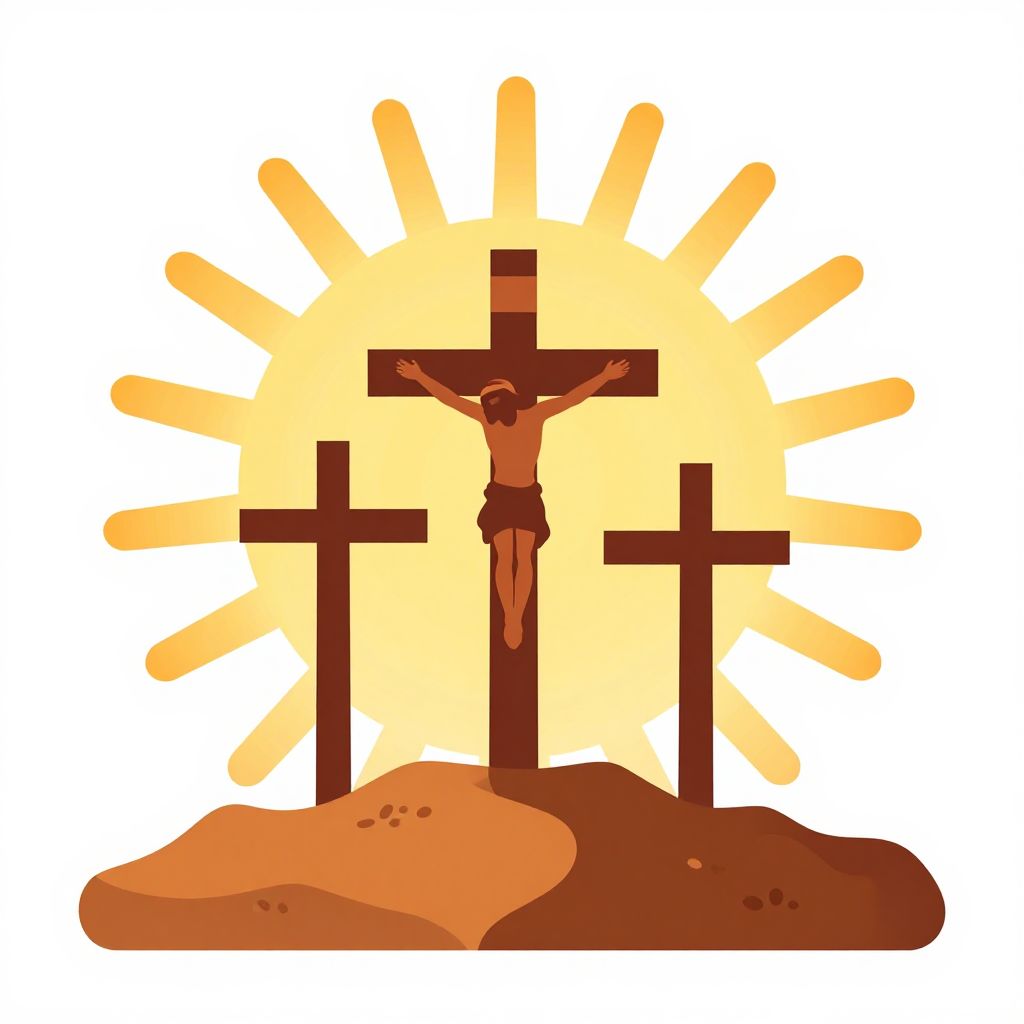
Have you ever wondered about the significance of the place where Jesus died? The location of this pivotal event in Christian history holds profound spiritual meaning for many believers. Understanding where Jesus died can deepen our appreciation of His sacrifice and what it represents in our lives.
This article will explore the specific location of Jesus’ death, commonly known as Golgotha or Calvary. We will examine the biblical context surrounding this event, its significance, and the implications for our faith today.
Where Did Jesus Die?
Jesus died at a location known as Golgotha, which translates to “the place of the skull.” This site, outside the walls of Jerusalem, became the scene of the crucifixion, fulfilling numerous Old Testament prophecies about the Messiah. Understanding this site helps us connect deeply with the sacrifice Jesus made for humanity.
The Biblical Account of the Crucifixion
The Gospels provide detailed accounts of Jesus’ crucifixion at Golgotha. Matthew 27:33 mentions, “They came to a place called Golgotha (which means ‘the place of the skull’).” This direct reference portrays a certain bleakness associated with crucifixions, which were designed to be public spectacles of suffering and death.
Mark 15:22 adds detail, stating, “They brought Jesus to the place called Golgotha (which means ‘the place of the skull’).” The repetition in the Gospel narratives highlights the importance of this location in understanding the gravity of what occurred there.
The Historical Context of Golgotha
Historians note that Golgotha was known for its executions, which served as a warning to others. It’s vital to grasp that Romans used crucifixion to eliminate perceived threats, a method that reinforced their dominance. Jesus’ choice to die in such a place speaks volumes about the nature of His mission.
The location also faced the Wall of Jerusalem. This proximity to the city served a purpose; it aligned with the fulfillment of prophecies declaring Jesus as the rejected cornerstone of salvation, as noted in Psalm 118:22. The connection between Golgotha and the city underlines humanity’s need for redemption.
Golgotha’s Role in Salvation
The site of Jesus’ death signifies much more than a location; it embodies God’s plan for salvation. In John 3:16, we learn that God loved the world so much that He gave His only Son. Jesus’ death on the cross at Golgotha portrays the ultimate act of love and sacrifice.
Isaiah 53:5 foretold, “But he was pierced for our transgressions, he was crushed for our iniquities; the punishment that brought us peace was on him, and by his wounds, we are healed.” This scripture serves as a powerful reminder that Golgotha was more than just a burial site; it became the birthplace of hope for all who believe.
The Significance of the Cross
The cross at Golgotha represents the core of the Christian faith. It signifies victory over sin and death. Colossians 2:14 tells us that Jesus canceled the record of our debt, nailing it to the cross. Each of us has a personal burden of sin, and Golgotha serves as a reminder that those burdens can be lifted in Christ.
Symbolism of Golgotha
The name Golgotha carries profound symbolism. The word “skull” implies death and destruction, but it also reminds believers to view Jesus’ crucifixion through the lens of resurrection. It wasn’t merely a place of death; it became a launching point for everlasting life.
In 1 Corinthians 1:18, Paul writes, “For the message of the cross is foolishness to those who are perishing, but to us who are being saved, it is the power of God.” The cross, stationed at Golgotha, encapsulates the paradox of the Christian faith—what seemed like defeat became the greatest victory of all time.
The Need for Reflection
Why is it important to reflect on Jesus’ death at Golgotha? It’s easy to get lost in everyday distractions and forget the immense cost of our salvation. By intentionally focusing on the significance of this location, we remind ourselves of the love poured out at that moment. Have you taken time to consider the weight of your personal sin and its impact on Jesus’ sacrifice?
Reflecting on Golgotha nudges Christians to appreciate the gravity of their faith. It encourages believers to ask how that love shown at the cross inspires specific actions or changes in their lives. What does it mean for you to bear your own cross in light of His?
The Meeting Point of Humanity and Divinity
Golgotha serves as a profound meeting point where humanity encounters divine love. The fact that Jesus willingly endured this suffering gives us insight into God’s character. Romans 5:8 highlights this when it states, “But God demonstrates his own love for us in this: While we were still sinners, Christ died for us.”
The Nature of Jesus’ Sacrifice
Jesus bore the weight of the world’s sin on Golgotha. He drank the cup of suffering so that humanity could have a chance at redemption. The reality of this sacrifice should compel believers to share this message of hope and grace.
Consider how you respond to the question of Jesus’ death. Do you view it merely as a historical event, or do you allow it to transform your daily choices? Each Believer carries the responsibility to reflect the characteristics of Christ in their actions.
Application of Golgotha’s Message
The crucifixion at Golgotha is more than a moment; it carries implications that extend to every facet of a believer’s life. It challenges Christians to engage with the world differently, transforming how they perceive pain, suffering, and love.
How can you apply this truth? Here are several actionable steps:
- Reflect regularly on the impact of Jesus’ sacrifice in your life.
- Share the message of salvation with others.
- Engage in acts of service that reflect the love you received at the cross.
- Approach everyday struggles with a renewed perspective, understanding that Jesus bore even the heaviest burdens.
Looking Forward: The Resurrection
While Jesus died at Golgotha, it is essential not to lose sight of what happens next. The resurrection is the ultimate declaration of victory over sin and death, proving that Golgotha is not the end of the story. Each Easter, believers celebrate what came three days later—life triumphing over death.
The Role of Hope
Golgotha offers a message saturated with hope. The grave could not hold Jesus. For every believer, this assurance that death does not have the final word transforms how we live today. Philippians 3:20 reassures us that our citizenship is in heaven, where we await a Savior.
This hope invites believers to embody the love and grace modeled at Golgotha in their daily lives. Are there areas in your life where you can extend grace to others as you have received it? Consider how the resurrection influences your daily actions.
Sharing the Story of Golgotha
Every believer carries the responsibility to share the story of Golgotha with a world desperate for hope. The events that unfolded there are far too precious to keep hidden. By sharing these truths, you participate in God’s mission, bringing light and love into darkness.
As you engage with others, share how the events of Golgotha uniquely changed the course of history. Relate stories from scripture that highlight the transformative power of Christ’s love. This outreach reflects the hope born out of sacrifice.
Conclusion: A Call to Remember
Golgotha remains a cornerstone of Christian faith. Its significance stretches beyond the pages of history, impacting believers today. The necessity to reflect on this site and the events that transpired there cannot be overstated.
As you think about where Jesus died, consider your spiritual journey concerning His sacrificial love and grace. Pray for opportunities to share this message with others and to live in a way that exemplifies the same love you received.
Explore more faith-based topics and articles to deepen your understanding. Consider reflecting on the questions of what Jesus’ death signifies for you personally in light of resources such as When Jesus Died and learn why it is called Good Friday with insights found in Why Is It Called Good Friday. Each exploration leads you closer to a richer, deeper faith.