
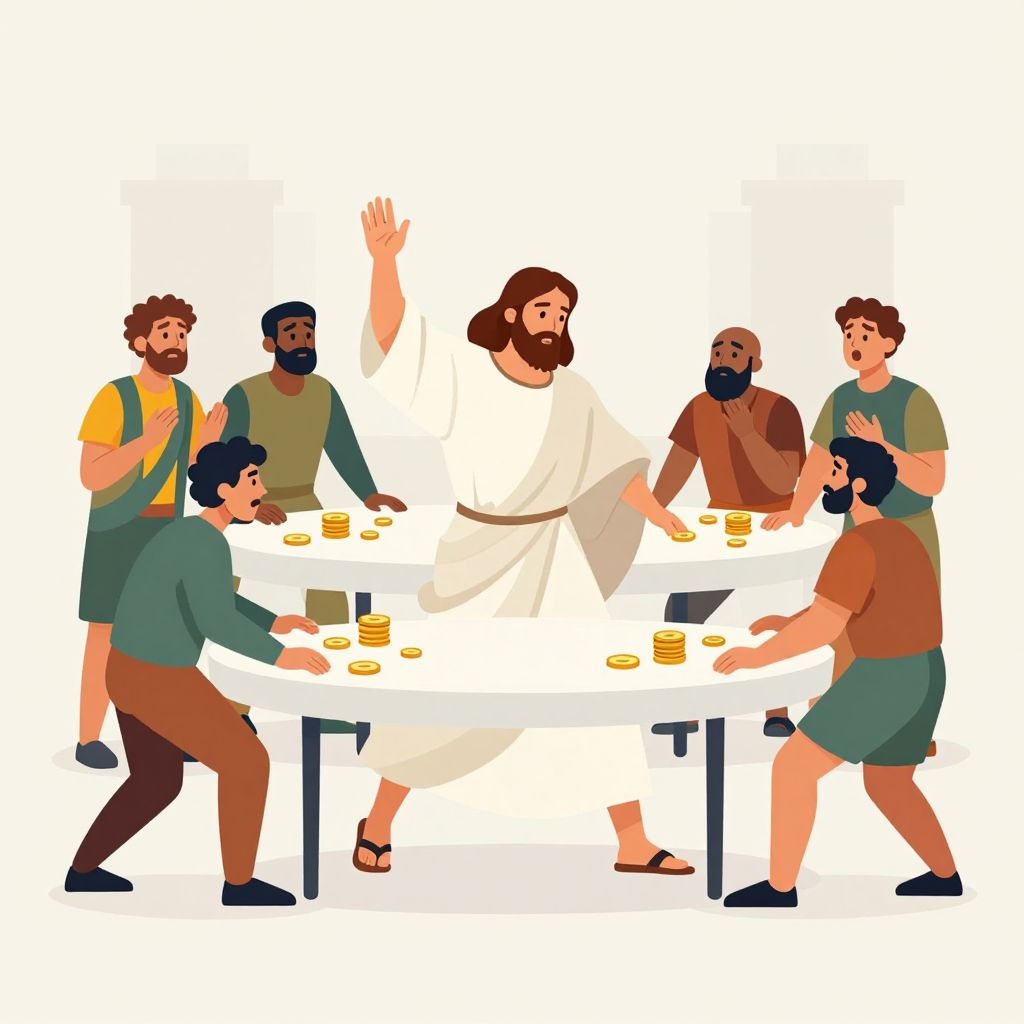
Have you ever been confronted with strong feelings about injustice, feeling the need to push back against what is wrong? This deep-seated response resides within many seeking to engage with their faith authentically. Jesus, in a striking moment of righteous anger, flipped tables in the temple, creating a powerful example of how to stand against corruption and uphold holiness.
This article will explore the biblical accounts of where Jesus flipped tables, why it mattered, and what it means for our walk with Him today. By grounding ourselves in Scripture, we can glean important lessons about justice, worship, and our role as followers of Christ.
Where Did Jesus Flip Tables?
Jesus flipped tables in the temple, specifically in the outer courts known as the Court of the Gentiles. This act happened during two critical moments in His ministry as recorded in the Gospels of Matthew (21:12-13), Mark (11:15-18), and John (2:13-17). His actions served as a physical demonstration of His zeal for God’s house and a call to return to true worship.
The Temple Environment
The temple held immense significance for the Jewish people. It symbolized God’s presence and the sacredness of worship. However, during Jesus’ time, it had become a marketplace rather than a house of prayer. Merchants sold animals for sacrifices, and money changers exchanged currency, profiting off the very faith that was meant to draw people closer to God.
As people from various nations sought to connect with the living God, they encountered a commercialized and corrupt system instead. This reality grieved Jesus’ heart deeply, prompting the passionate response we see in the Gospels.
The Significance of Flipping Tables
Jesus’ act of flipping tables was not simply a temper tantrum; it was a profound statement about the nature of worship and the character of God. He demonstrated what it means to be zealous for the holiness of His Father.
1. Righteous Anger
In flipping the tables, Jesus displayed righteous anger. Anger itself is not a sin; it can be a powerful motivator for change. Ephesians 4:26 advises us to “in your anger do not sin.” Jesus showed us that anger can be directed toward injustice and dishonor to God, calling us to consider how we respond to unholiness in our own lives.
2. A Call for True Worship
Jesus quoted Isaiah 56:7 when He declared, “My house will be called a house of prayer, but you are making it a den of robbers” (Matthew 21:13). This quote exposes the heart of the issue: the people had distorted God’s intention for the temple. True worship is about communion with God, not ritualistic practices that lead to corruption.
How does your worship reflect a heart that honors God? Do you prioritize personal integrity and authenticity in your relationship with Him? Reflect on these questions as they can illuminate areas for growth.
3. Challenging Corruption
Jesus’ actions confronted both religious and economic corruption. The temple’s leaders and merchants profited from sacrificial practices, putting barriers between God and the people. By flipping the tables, Jesus overturned these corrupt systems, challenging the status quo.
In today’s world, what systems or practices need to be challenged? How might the call for justice inspire your actions in your community or within your church?
Lessons for Today
The table-flipping moments offer timeless lessons applicable to our discipleship. Here are several takeaways for modern Christians seeking to embody Jesus’ heart:
1. Cultivate Zeal for God’s Holiness
Our lives should reflect passion for God’s holiness. When we see corruption, injustice, or dishonor to God, we should be moved. Consider Psalm 69:9, where it says, “Zeal for your house consumes me.” What stirs your heart for the things of God?
2. Evaluate Worship Practices
Worship must remain genuine and focused on God. Examine your own practices—do they honor God, or have they become routine or commercialized in some way? Engage with God in prayer and seek to restore the purity of your worship.
- Seek opportunities to worship with sincerity.
- Reflect on whether you engage in meaningful prayer.
- Consider if your actions during worship honor God’s intentions.
3. Advocate for Justice
An integral part of following Jesus involves advocating for justice. Passionate advocacy can manifest in community service, social justice positions, or simply standing up for what is right in your daily life. Micah 6:8 reminds us to “act justly and to love mercy and to walk humbly with your God.” Apply this to your context daily.
4. Stand Firm in Your Faith
Jesus modeled a firm stand against corruption, inspiring us to take bold steps when necessary. Stand firm in your convictions, even when it’s unpopular or when it feels like flipping tables is a daunting task. Know that God honors those who seek to uphold His truth.
What Happens Next?
After Jesus flipped the tables, He continued His ministry, teaching and healing the people who came to Him. He emphasized grace and the invitation to enter into God’s presence genuinely. His actions were a call to return to true worship, not merely a show of anger.
1. The Aftermath in the Temple
Following this scene, the blind and lame came to Jesus in the temple, and He healed them (Matthew 21:14). This demonstrates that when we clear out corruption, we make room for God’s healing presence. How can you clear out distractions or obstacles in your spiritual life to invite His healing touch?
2. Growing in Understanding
Jesus’ actions prompted intense discussion among the religious leaders. They saw Him as a threat, ultimately leading them to conspire against Him. This teaches us that standing for truth may result in opposition. Yet, faithful perseverance in faith remains essential even amid pushback.
Personal Application
As you reflect on Jesus flipping tables, consider how these accounts challenge you personally. What areas in your life may require clearing? What actions can you take to advocate for true worship both personally and within your community?
1. Prayer for Clarity
Start with prayer. Ask God to reveal any areas in your life that need to change. What practices have turned into distractions from genuine worship? What systemic issues might you be called to confront?
2. Taking Action
Consider practical steps you can take. Whether it’s volunteering, engaging in community outreach, or standing against injustice, each action builds towards a legacy of faithfulness. Be the voice that advocates for the marginalized or opposes corruption within your spheres of influence.
- Join a local charity or service group.
- Engage in conversations about faith-based social justice.
- Offer support for community issues as they arise.
3. Reflect on Accountability
Surround yourself with fellow believers who encourage spiritual growth. Accountability breeds greater faithfulness. Find a mentor, small group, or prayer partner to walk with you on this path of justice and worship. In what ways can you hold each other accountable?
Conclusion
Jesus flipping tables in the temple serves as a powerful reminder that God desires true worship and a zealous heart for what is right. He challenges us today to remain vigilant against corruption, uphold justice, and engage with Him genuinely. Embrace the call to stand firm in faith, clear away distractions, and advocate for true holiness.
Reflect on your own practices and routines. Ask God to guide you this week as you seek to honor Him fully. You may pray, “Lord, help me clear the distractions in my life and fill me with a zeal for your holiness and justice.” May your faith inspire change and stand firm against the temptations of the world.
As you explore faith deeper, consider delving into what Jesus said about Israel or understanding what made Him mad. Each of these topics can enrich your journey with Christ.
Explore more faith-based topics and articles to strengthen your understanding and experience of spiritual truth.
What did Jesus say about Israel? Discover insights about His teachings.
What made Jesus mad? Engage with the redemptive anger of Christ.