
Have you ever wondered what communion truly signifies in the Christian faith? What God intends for us when we come together to partake in this sacred practice? Understanding communion opens the door to deeper intimacy with Christ and fellowship with one another.
This article will explore where the Bible discusses communion, focusing on its origins, meanings, and significance in our spiritual lives. By grounding ourselves in Scripture, we can appreciate this profound act of remembrance that Jesus entrusted to His followers.
Where In The Bible Does It Talk About Communion?
The Bible speaks about communion primarily in the Gospels of Matthew, Mark, and Luke, as well as in 1 Corinthians. These passages provide both the account of Jesus instituting the practice and the theological implications of what it means for believers.
The Last Supper Accounts
The Last Supper, where Jesus instituted communion, is documented in three of the four Gospels. Each account brings unique insights into this significant event.
Matthew 26:26-28
In Matthew 26:26-28 (NIV), Jesus takes the bread, breaks it, and gives it to His disciples, saying, “Take and eat; this is my body.” Then He takes the cup and states, “This is my blood of the covenant, which is poured out for many for the forgiveness of sins.” This passage emphasizes the sacrificial nature of Jesus’ death.
Mark 14:22-24
Mark offers a similar account in Mark 14:22-24 (NIV), where Jesus declares the bread as His body and the cup as His blood, which establishes a new covenant. This reinforces the connection between communion and the new covenant in Christ, inviting believers into a relationship based on grace and forgiveness.
Luke 22:19-20
In Luke 22:19-20 (NIV), Jesus urges His disciples to “do this in remembrance of me.” These words remind us that communion is more than a ritual; it’s a call to remember His sacrifice and the love behind it.
The Teachings of Paul
Paul elaborates on communion in 1 Corinthians, providing insights into its significance and proper observance.
1 Corinthians 11:23-26
1 Corinthians 11:23-26 (NIV) captures Paul recounting the Last Supper, emphasizing that communion is a proclamation of Jesus’ death until He comes again. This perspective frames communion not only as a remembrance but as an act that anticipates Christ’s return.
Unity in the Body
In the same passage, Paul addresses the importance of approaching communion with unity. He warns against divisions within the church, encouraging believers to examine themselves before partaking in communion, highlighting the communal aspect of this sacred ritual.
Old Testament Foreshadowing
Communion does not emerge from a void; it finds roots in the Old Testament. The Passover meal is a key precursor, symbolizing deliverance and the sacrifice made for freedom.
Exodus 12:1-13
Exodus 12:1-13 (NIV) details the Passover instructions, where the blood of the lamb protects the Israelites from judgment. This imagery points to Christ as the ultimate sacrificial Lamb whose blood delivers us from sin.
Considering these connections, how does the sacrificial theme in the Old Testament speak to your understanding of Jesus’ sacrifice?
Communion as a Spiritual Reminder
The act of communion serves as a powerful reminder of God’s love, grace, and the reality of the Gospel.
Remembering His Sacrifice
Communion combats spiritual amnesia. Through this practice, believers recall Jesus’ immense sacrifice and the grace that extends to them. As we partake, we reaffirm our dependence on Him.
Fostering Community
Communion strengthens the bond among believers. It fosters a sense of community, as Paul writes in 1 Corinthians 10:17 (NIV), “Because there is one loaf, we, who are many, are one body, for we all share the one loaf.” This unity should lead to mutual encouragement and accountability.
The Transformative Power of Communion
Participation in communion goes beyond mere ritual; it invites transformation in our hearts and lives.
Encounters with Grace
In partaking of communion, believers encounter the grace of God afresh. Each time we share the bread and cup, we are reminded of our need for His grace and the transformational love He offers.
Commitment to Holiness
Communion prompts us to reflect on our lives and commitments to Jesus. It encourages believers to repent, confess, and seek greater alignment with God’s will. Shouldn’t such an encounter draw us closer to living holy lives?
Practical Aspects of Observing Communion
Observing communion can differ across various Christian traditions. However, each approach aims to honor the significance of this sacred act.
Frequency of Communion
Various churches observe communion differently; some do it weekly, while others celebrate it monthly or quarterly. What matters is the heart behind the observance and the intention to remember Christ’s sacrifice.
The Elements of Communion
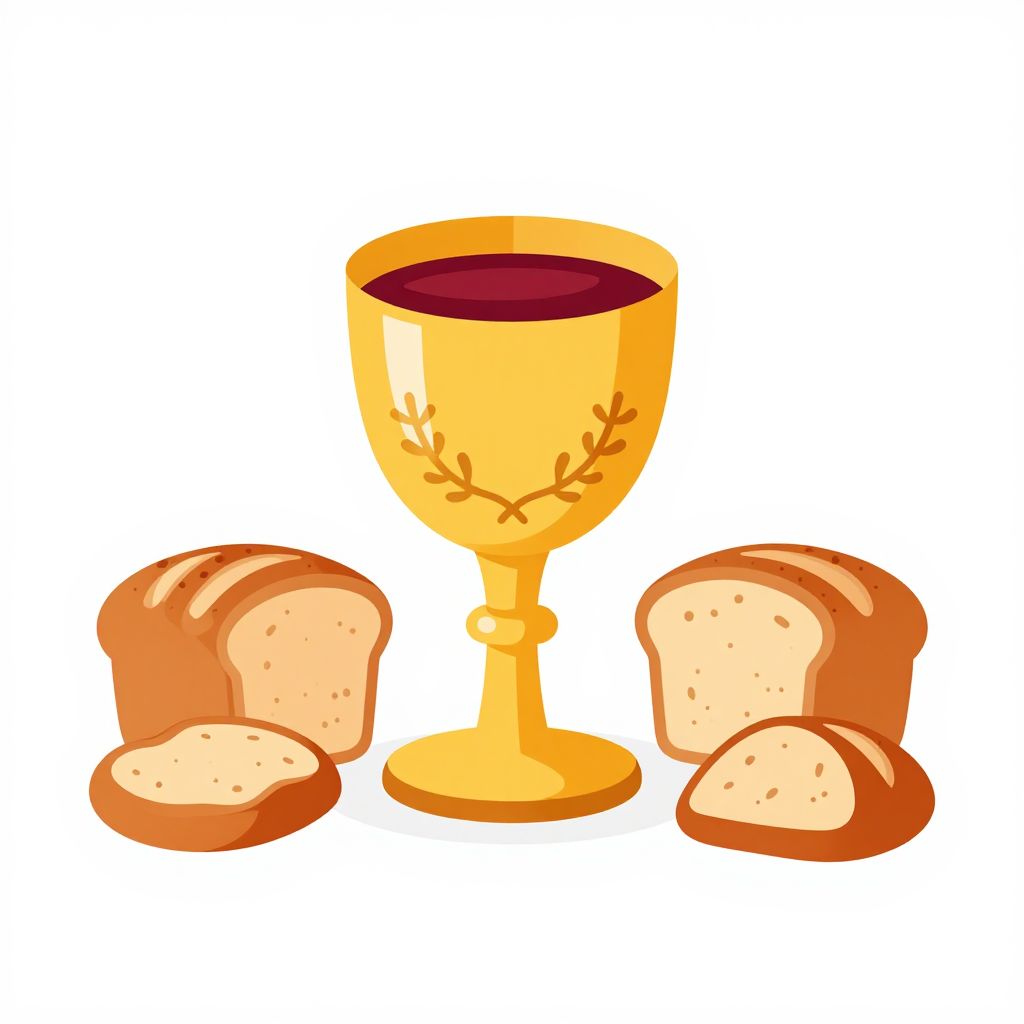
Typically, communion involves bread and wine (or juice). Each element serves a purpose; the bread symbolizes Christ’s body, while the cup represents His blood. Delight in the simplicity and richness of these elements as they remind us of profound truths.
Communion and Personal Reflection
Before partaking in communion, believers are encouraged to engage in personal reflection. This self-examination can lead to various responses.
Repentance and Confession
Communion invites repentance. As Paul instructs in 1 Corinthians 11:28 (NIV), “Everyone ought to examine themselves before they eat of the bread and drink from the cup.” Self-reflection uncovers areas needing surrender.
Receiving Forgiveness
Many find communion a time to receive God’s forgiveness actively. It serves as a reminder that whatever we have done, His body and blood cover our sins, granting us complete pardon. How might this revelation transform your prayer life?
Conclusion: A Call to Communion
Communion stands as a vital practice within Christian faith, steeped in Scripture and rich with meaning. As we engage in this sacred act, we encounter Jesus’ sacrifice anew and build deeper connections with fellow believers.
Consider your own practice of communion. How does it shape your faith, your understanding of grace, and your relationship with others? Approach it with reverence and joy, recognizing its power to transform your spiritual journey.
For a deeper exploration of faith-based topics, feel free to check out what the Bible says about healing or the significance of Jesus’ death in your faith walk.