
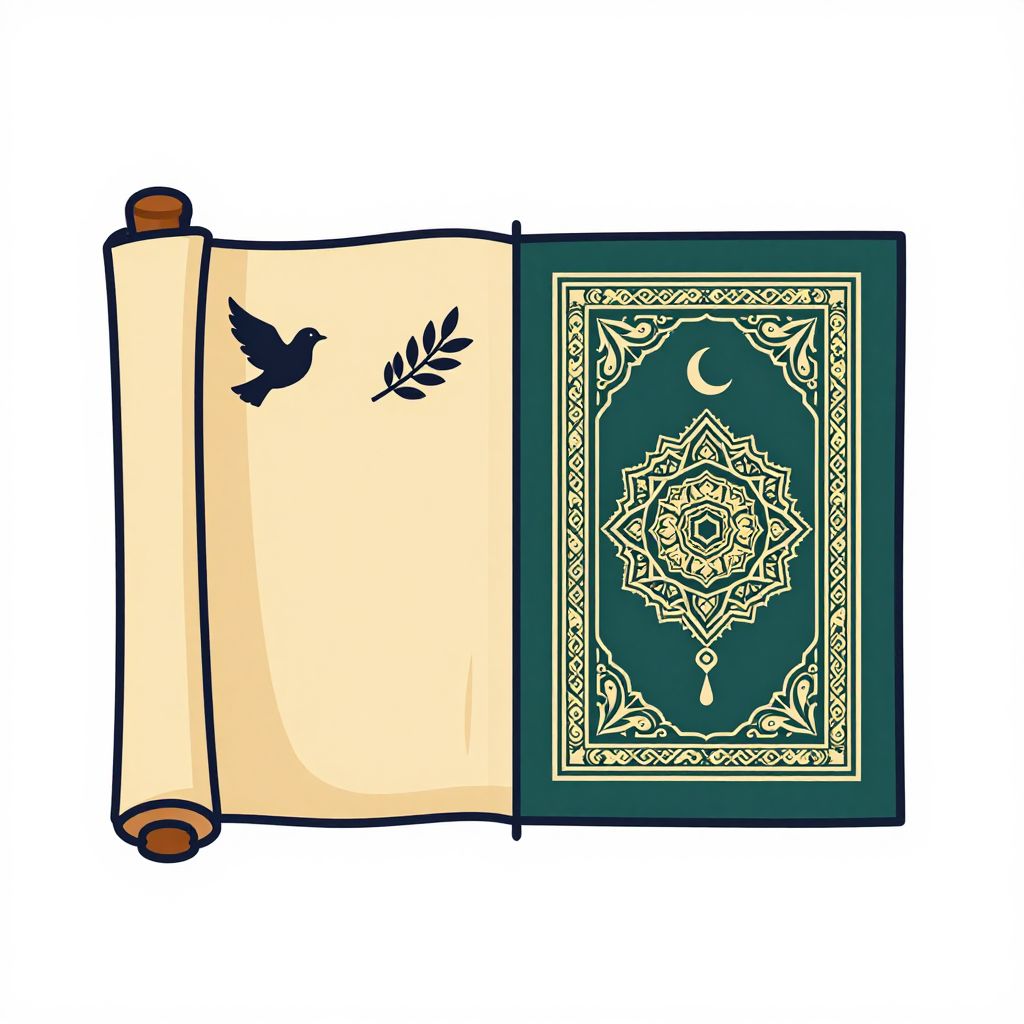
Have you ever found yourself comparing different faith traditions and wondering how their sacred texts relate? Many engage in debates about the Quran and the Bible and their respective ages. This exploration goes beyond dates; it touches on the significance of these texts in the lives of believers. Understanding which text is older unveils deeper truths about both Islam and Christianity.
The Bible, considered by Christians as the divinely inspired word of God, predates the Quran by several centuries. The historical context surrounding these texts reveals the unique roles they play in their respective faiths and in the unfolding story of God’s interaction with humanity.
Which Is Older Quran Or Bible?
The Bible is older than the Quran by several centuries. The Old Testament, a significant part of the Bible, was written over a period spanning from approximately 1400 B.C. to around 400 B.C. In contrast, the Quran was revealed in the 7th century A.D., specifically between 610 and 632 A.D. This clear timeline demonstrates the chronological precedence of the Bible over the Quran.
The Bible: A Brief Overview of Its Origins
The Bible is divided into two main sections: the Old Testament and the New Testament. It tells the story of God’s creation, His covenant with the Israelites, the life and teachings of Jesus Christ, and the work of His apostles.
The Old Testament includes 39 books and reflects God’s relationship with His chosen people. From Genesis, which recounts creation, to Malachi, which closes the Old Testament canon, these texts establish themes of sin and redemption.
The New Testament contains 27 books focusing on the life, death, and resurrection of Jesus Christ. Written by various authors, it captures the early Christian church’s growth and emphasizes the fulfillment of Old Testament prophecies.
Understanding the historical context of the Bible enhances the appreciation of its significance. The Old Testament was written during a period of tumultuous events, including Babylonian exile and various conquests. These circumstances shaped the writers’ perspectives, leading to Scriptures that speak profoundly about human experiences of suffering, hope, and restoration.
The New Testament emerged during a time when the early church faced persecution, and believers had to navigate their faith in a challenging world. This context adds layers to the understanding of the New Testament writings, which are rich with teachings of love, grace, and perseverance amidst trials.
The Quran: Origins and Revelation
The Quran is regarded by Muslims as the literal word of God (Allah) as revealed to the Prophet Muhammad through the angel Gabriel. This revelation began in 610 A.D. and continued until Muhammad’s death in 632 A.D.
The Quran is comprised of 114 chapters, known as surahs, and it covers various aspects of life, including moral guidance, worship, and law. Muslims believe it is the final revelation, completing and confirming earlier scriptures, including the Bible.
Key Themes in the Quran
The Quran emphasizes the oneness of God, the importance of prayer and charity, and the need for social justice. It actively encourages believers to engage in acts of compassion and kindness while providing guidelines for ethical living.
Additionally, the Quran addresses humanity’s relationship with God, offering a narrative that spans from creation to the Day of Judgment, instilling a sense of purpose and direction in the lives of its followers.
Why the Dates Matter
Knowing the ages of the Quran and the Bible serves more than mere trivia; it can deepen the understanding of each faith’s narrative and its implications for followers. How might this knowledge shape the way one views interfaith dialogue? A respectful acknowledgment of each text’s historical roots can foster deeper discussions on faith and belief.
Both scriptures reflect distinct theological frameworks. The Bible emphasizes concepts such as grace and redemption, whereas the Quran emphasizes submission to God’s will and communal responsibility. Neither text exists in a vacuum; both arose from specific cultural, historical, and spiritual contexts.
The Bible and Its Impact
The Bible has profoundly influenced Western civilization, shaping laws, ethics, and cultural practices. Its messages teach forgiveness, compassion, and love, often driving humanitarian efforts and social movements.
Scriptures like Matthew 22:37-39 highlight the importance of loving God and loving one’s neighbor as oneself. These teachings resonate deeply with those who choose to follow Christ.
The Quran and Its Significance
The Quran plays a central role in the spiritual lives of Muslims. It serves as a source of guidance and understanding, shaping personal ethics and community laws. Verses often recited in daily prayers emphasize God’s greatness and mercy.
For example, Surah Al-Fatiha, the opening chapter, sets the stage for worship by invoking God’s attributes, reinforcing submission and gratitude towards Him.
Intersections and Divergences
Both the Bible and the Quran share common narratives, including the stories of Adam, Noah, and Moses. These intersections can create avenues for dialogue and mutual respect between Christians and Muslims.
However, significant divergences exist in understanding God, salvation, and humanity’s role. These differences invite inquiry: What does each tradition teach about the nature of God? How do followers understand their relationship with Him?
Scriptural Endurance
Both the Bible and the Quran have maintained their purity and intentions throughout history. While translations may vary in wording, the core messages remain intact, showcasing the divine influence on faith practices.
Consider how vital it is for believers to regularly engage with their sacred texts. How can one grow spiritually without immersing oneself in God’s Word?
The Search for Truth
The inquiry about which text is older naturally pushes believers to seek truth. For Christians, the Bible reveals God’s story, while the Quran provides insights into a different perspective on faith and worship.
Engaging with both texts can spark curiosity and lead to a more profound understanding of one’s faith. Dialogue with others who follow different beliefs may provide opportunities to appreciate the beauty and depth of divine revelation.
Faith in Practice
How do these texts influence day-to-day living? For Christians, the Bible serves as a guide for moral decisions and a source of comfort. Philippians 4:6-7 encourages believers not to be anxious but to present their requests to God, highlighting the importance of faith amidst life’s challenges.
For Muslims, adherence to the teachings of the Quran informs daily routines, including prayers and charitable acts. This structured approach fosters community and reinforces the significance of faith in everyday life.
Conclusion: Seeking God Through Study
The exploration of which is older, the Quran or the Bible, leads to questions that encourage deeper study of both texts. Understanding context provides insight into how each scripture speaks to the human condition—addressing sin, salvation, and the requirement of love.
Engagement with these texts lays a foundation for spiritual growth. Are you willing to take that step, to further investigate what these sacred words mean for your life?
For those eager to delve deeper into understanding the Bible, this resource on how we got the Bible could be beneficial. Exploring church history might reveal how early believers interpreted their faith, influencing today’s practices.
Additionally, consider the significance of nurturing your relationship with Scripture. For insights into why some traditions might discourage personal Bible reading, check out this resource on why does the Catholic Church discourage Bible reading. This exploration may enhance understanding and appreciation for engaging with Scripture.
Ultimately, regardless of personal belief, the historical relevance and teachings of both the Bible and the Quran continue to shape spiritual journeys and influence lives even today.