
Have you ever wondered about the historical context in which Jesus was born? Knowing who was in power during that time can deepen our understanding of the New Testament and its messages. This article explores who Caesar was when Jesus entered the world and why this matters for our faith.
Understanding the identity of Caesar reveals not just the political landscape but also God’s sovereignty in sending His Son into a complex world. The Roman Empire, dominated by Caesar, shaped much of the first-century experience for Jesus and His followers.
Who Was Caesar When Jesus Was Born?
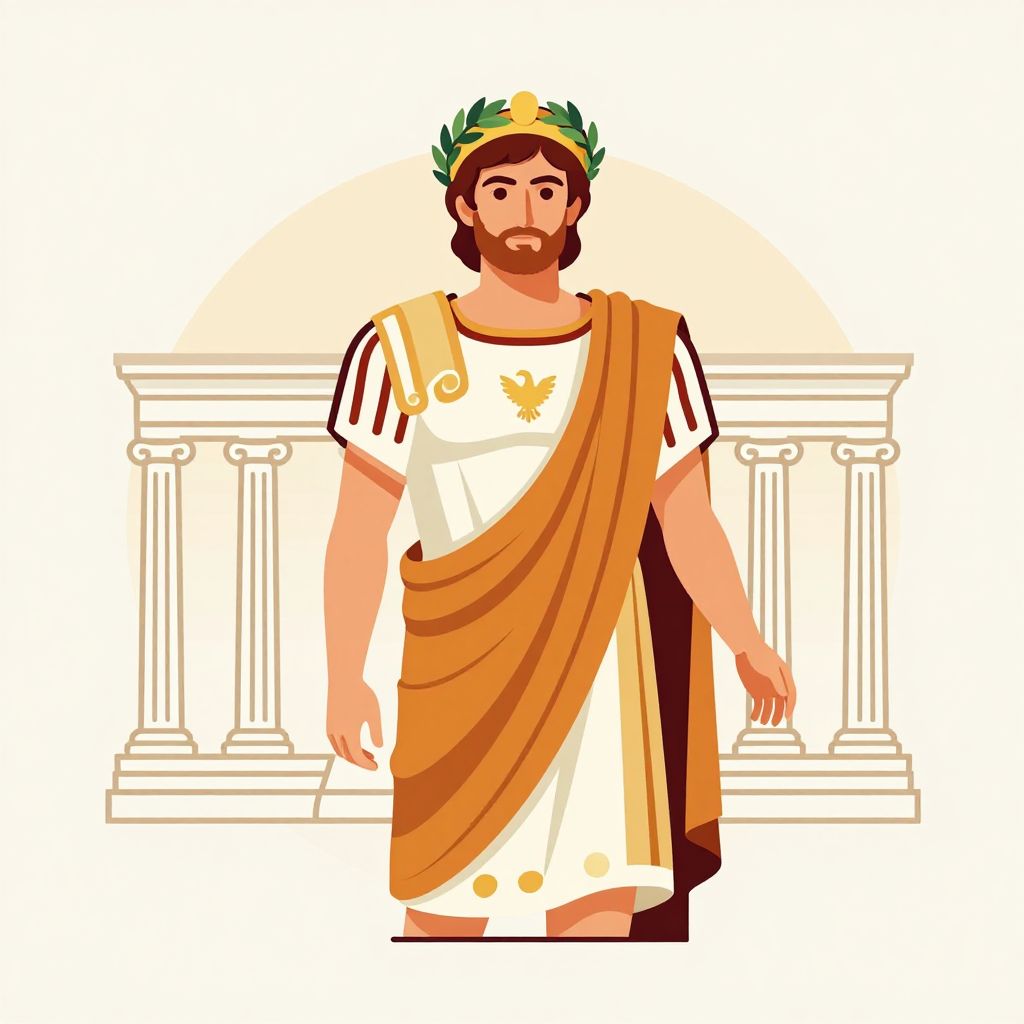
Caesar during the birth of Jesus was Augustus, known as Gaius Octavius. He ruled from 27 B.C. to A.D. 14 and was the first Roman emperor. His reign established a period known as the Pax Romana, which brought relative peace across the Roman territories.
The Pax Romana and Its Significance
The Pax Romana, or Roman Peace, was a time of stability in the empire. Augustus’ reign greatly affected travel, trade, and communication. This environment allowed the Gospel to spread rapidly after Jesus’ ministry.
What does the concept of peace tell us about God’s timing in sending Jesus? The world was prepared for the message of hope, made accessible through the infrastructure of the empire.
Under Augustus, Israel was governed as a client state. Roman appointed leaders, like Herod the Great, were responsible for maintaining order and collecting taxes. This often created tension as the Jewish people desired independence.
How do these tensions point to the fulfillment of prophesies regarding the Messiah? Jesus entered a world filled with conflict, showing that He came to reconcile not just individuals but nations.
Augustus built numerous monuments and reformed tax laws and military structures. His reign influenced the ancient world, including the Jewish nation. He was seen as a demigod, worshipped for bringing peace.
In what ways does this contrast with the humility of Jesus’ birth? The Son of God entered the world not in royal splendor but in a stable, reflecting a profound message of humility and service.
Biblical Context and Prophecy
Understanding Augustus’ rule provides valuable context for many biblical passages. The great prophet Micah foretold the birthplace of Jesus: “But you, Bethlehem Ephrathah, though you are small among the clans of Judah, out of you will come for me one who will be ruler over Israel” (Micah 5:2).
This prophecy highlights how God steps into history to fulfill His promises. Jesus’ birth in a humble setting under the reign of Augustus showcases God’s ways of bringing about salvation.
A significant aspect of Augustus’ rule was the census he ordered, which led Joseph and Mary to Bethlehem. This census allowed Jesus to be born in the prophesied location.
How does this demonstrate God’s sovereignty over historical events? Even a political decree served His plan for redemption.
Jesus’ lineage is traced back to King David, fulfilling God’s promise to raise a Messiah from David’s line. Matthew 1:1 starts with “This is the genealogy of Jesus the Messiah the son of David.”
What does this lineage reveal about God’s faithfulness? He kept His covenant promises, showing that every detail of Jesus’ life was intentional.
Theological Reflection on Power and Authority
Understanding Augustus invites reflection on the nature of power and authority. The Roman Empire exerted control over vast territories, but God’s reign through Jesus offered a different kind of kingship.
Do you find it comforting to know that God is aware of the political situations in our lives? Ultimately, God’s plan transcends earthly rulers.
Jesus’ entry into a world governed by Augustus shows God’s compassion. He did not come with the sword but with grace and truth. John 1:14 states, “The Word became flesh and made his dwelling among us.”
How can we show compassion in the systems around us, reflecting Christ’s love? Our call to love and serve goes beyond politics and appeals to a higher purpose.
Practical Application for Today’s Believers
Understanding the historical context enriches our faith and paves the way for deeper devotion. Here are some ways to apply these truths:
- Study the prophecies concerning Jesus and how they intersect with history.
- Reflect on your understanding of authority in light of Christ’s example.
- Engage actively in your community, conveying Christ’s love through service.
God’s sovereignty reveals itself in the ordinary and extraordinary. Augustus’ decree brought about God’s plan, requiring our trust in Him amidst uncertainty.
How can understanding Christ’s humble beginnings inspire you to embrace your faith journey? Our assurance does not lie in worldly power but in the God who orchestrates everything for His glory.
Pray for those in authority. Romans 13:1 reminds believers that all authority exists by God’s ordaining. This prayer reinforces trust in God’s sovereignty and encourages participation in what He is doing.
What sorts of leaders can you pray for regularly? Intercession can open opportunities for God to work in powerful ways, even through flawed systems.
A Glimpse into God’s Bigger Picture
The work God initiated through Jesus is pivotal. Steps taken by Augustus, while politically motivated, served divine purposes. God used the political climate of the Roman Empire to set the stage for His revelation of grace through Jesus.
Are we paying attention to God’s bigger picture in our lives? Amid life’s chaos, He weaves a story of redemption and hope.
The Great Commission calls believers to “go and make disciples of all nations” (Matthew 28:19). This mission began under the Roman Empire’s expansive influence and continued throughout history.
How can understanding the historical backdrop of Jesus’ birth shape your approach to making disciples? Our call is both timeless and timely; it echoes God’s heart for all people.
Conclusion and Call to Action
Caesar Augustus, in his earthly authority, set the stage for a divine narrative that changed the world forever. Jesus’ birth that occurred in a humble context under oppressive rule marks the arrival of true hope.
Reflect on your own life today. Are you ready to embrace the fullness of God’s purpose in a world that can often feel overwhelming? Remember that through Christ, God provided a way for redemption and renewal.
For further exploration, consider visiting related topics. You can dive into who ruled during Jesus’ crucifixion at who was the emperor of Rome, or read about the circumstances surrounding Jesus’ passing at when Jesus died. Embrace the journey of discovery as you grow in your understanding of God’s Word.