
Do you ever wonder about the world surrounding pivotal moments in the Bible? Understanding historical context can deepen your faith and illuminate God’s plan for humanity. One such moment is the crucifixion of Jesus, which took place in the heart of Roman governance.
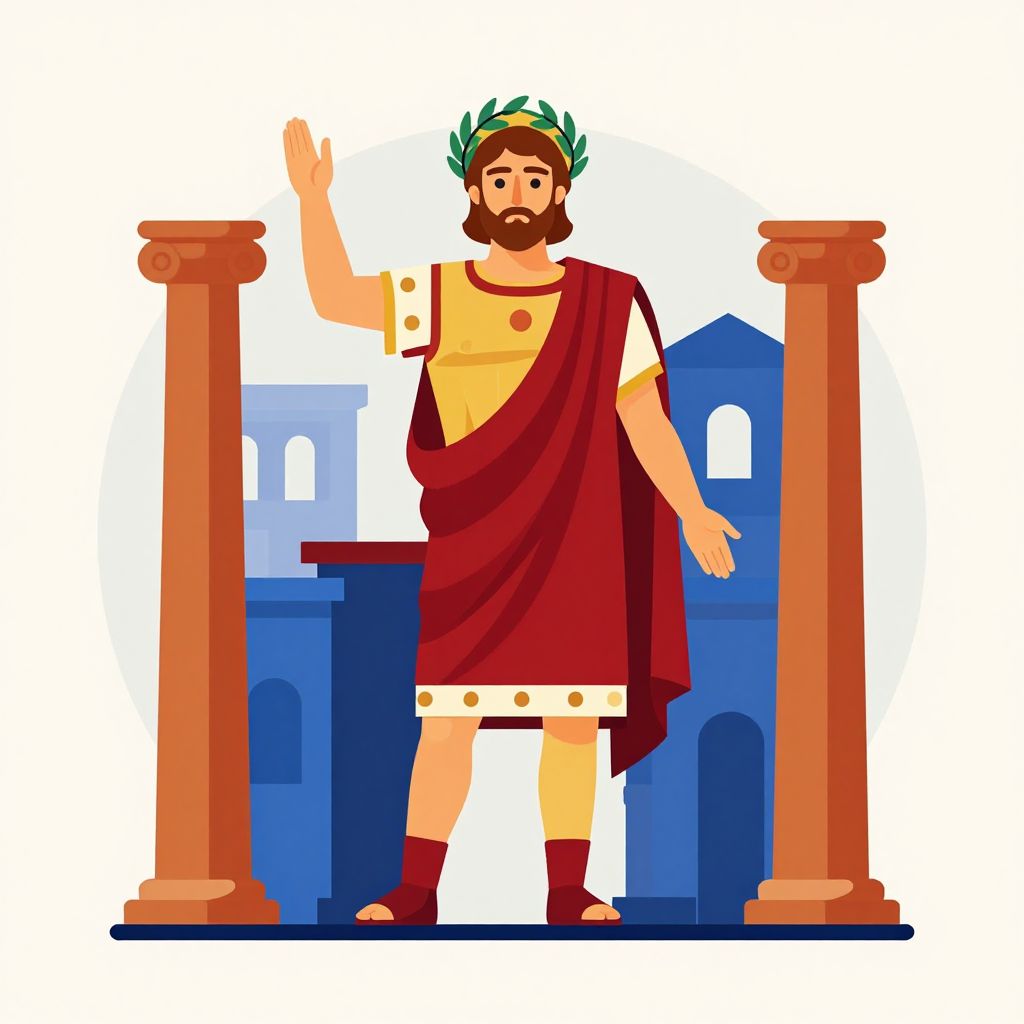
When Jesus was crucified, the emperor of Rome was Tiberius Caesar. His reign and policies played a significant role in the socio-political landscape of Judea during the time of Christ, affecting how events unfolded leading up to the crucifixion.
Who Was Caesar When Jesus Was Crucified?
Tiberius ruled as emperor from AD 14 to AD 37. His reign followed the illustrious rule of Augustus Caesar, the first emperor of Rome. Tiberius was a complex figure known for his military successes and administrative reforms, but also marked by a dark period of paranoia and cruelty.
Tiberius’ leadership set the stage for the Roman political climate that intersected with the early Christian Church. Understanding Tiberius enriches our grasp of Jesus’ life, ministry, and ultimately, His sacrifice on the cross.
The Historical Background of Tiberius Caesar
Tiberius was born in 42 BC and became the second Roman emperor. His rule was characterized by tactical brilliance in military affairs. However, his personal life was rife with scandals and controversies that overshadowed his leadership.
His reign was not entirely peaceful; uprisings and tensions simmered in various provinces, including Judea, where Roman governance faced increasing backlash from Jewish citizens.
The Role of Roman Governance in Judea
Roman rule over Judea was often met with hostility. Jews yearned for independence and resented foreign authority. This discontent impacted how the leaders, including Tiberius, handled emerging religious movements, such as the growing popularity of Jesus.
Many Jewish leaders viewed Jesus as a threat to both their authority and the fragile peace maintained by Roman rule. This led to an alliance of interests between Jewish religious authorities and Roman officials, creating a tense environment surrounding Jesus’ trial and crucifixion.
Political Climate During Jesus’ Ministry
The political climate under Tiberius was turbulent. The emperor employed governors who often had harsh methods to maintain order and quell uprisings.
The governor of Judea at the time of Jesus’ crucifixion was Pontius Pilate. Pilate’s interactions with Jesus and the Jewish leaders reveal much about the Roman approach to governance during this era.
Pontius Pilate and His Governance
Pontius Pilate served as governor from AD 26 to AD 36 and represented the authority of Tiberius in Judea. His leadership was marred by scandal and insensitivity to Jewish customs, leading to deep-seated animosity.
In Matthew 27:24, Pilate famously washed his hands, saying, “I am innocent of this man’s blood; it is your responsibility!” This symbolizes the political maneuvering surrounding Jesus’ fate, reflecting Pilate’s desire to placate the Jewish leaders while maintaining his Roman authority.
Religious Context and Conflict
Jesus challenged the religious status quo, calling out hypocrisy and aiming to fulfill the law. The Gospels narrate how His teachings often clashed with the established norms of religious authorities.
Jewish leaders, feeling threatened, sought to eliminate Jesus through cunning strategies. Their relationship with Roman authorities was pivotal; they required Roman approval to carry out capital punishment, thus finding a willing partner in Pilate.
The Implications of Tiberius’ Reign
Tiberius’ reign created a backdrop for crucial moments in Christian history. His governance affected not only the crucifixion but the very mission of the emerging Church.
Despite his cruelty, God’s providence worked through Tiberius’ rule, fulfilling prophecies and demonstrating His sovereignty over even the most tumultuous circumstances.
Prophecy Fulfilled Through Roman Rule
Isaiah 53 foretold the suffering of the Messiah long before Jesus’ crucifixion. Tiberius, as the Roman emperor, unknowingly facilitated this prophecy’s fulfillment through his administration’s decisions. Jesus’ trial and execution fell under Roman jurisdiction, demonstrating God’s control over all rulers.
Certainly, God’s plan unfolded in ways that exceeded human understanding, using flawed leaders to achieve divine purposes. This gives hope that God works through every situation, even those that seem unjust.
What This Means for Us Today
Understanding Tiberius allows believers to reflect on how God governs even amidst chaos. Do you see the hand of God in your circumstances? Are there areas in your life where God is at work, even if you cannot see it yet?
The story of Jesus shows us that, despite the apparent setbacks and conflicts, God’s will prevails. This encourages us to trust His plan in our own lives, resting assured He is sovereign over our challenges.
Lessons from Tiberius and the Crucifixion
The crucifixion teaches several enduring lessons about human governance and divine authority.
1. God’s Sovereignty: Even flawed rulers serve His purpose. Romans 13:1 shows that every authority is established by God.
2. Trust: Placing faith in God ensures hope, even amid trials. The early Christians demonstrated this as they faced persecution.
3. Redemptive Plan: The crucifixion wasn’t a failure but part of God’s greater plan for redemption. It points to God’s love and grace toward humanity.
The Nature of God in the Face of Evil
The dynamics of Jesus’ crucifixion reveal God’s ultimate love, displayed even when surrounded by human failings. Tiberius’ rule reminds us that God works through all situations for good.
When we encounter injustice or hardship, remember that God is not absent. He sees, understands, and will bring about justice in His timing.
Practical Applications for Life
Reflect upon these practical steps to apply the lessons of Tiberius’ reign in your life:
- Pray for wisdom in understanding difficult circumstances.
- Study Scripture to grasp God’s sovereignty revealed throughout history.
- Engage with your community, seeking ways to reflect God’s love and justice.
Have you ever found comfort in God’s plan in difficult times? Allow the truth revealed through Jesus’ crucifixion to anchor your faith as you navigate your challenges.
Conclusion: Embracing God’s Sovereignty
Tiberius Caesar stands as a historical figure who influenced the events around Jesus’ crucifixion. Understanding Tiberius’ role allows the faithful to grasp God’s greatness, even amid tumultuous leadership.
Jesus’ death is not just a historical moment but an essential aspect of God’s redemptive story for humanity. Embrace these truths and remember, God holds authority over every ruler and situation.
What’s one step you can take this week to deepen your trust in God’s purpose? Hold onto the truth that He is sovereign over all earth’s kingdoms.
Explore more faith-based topics and articles to deepen your understanding. Check out Who Was the Emperor of Rome or learn more about When Jesus Died.