
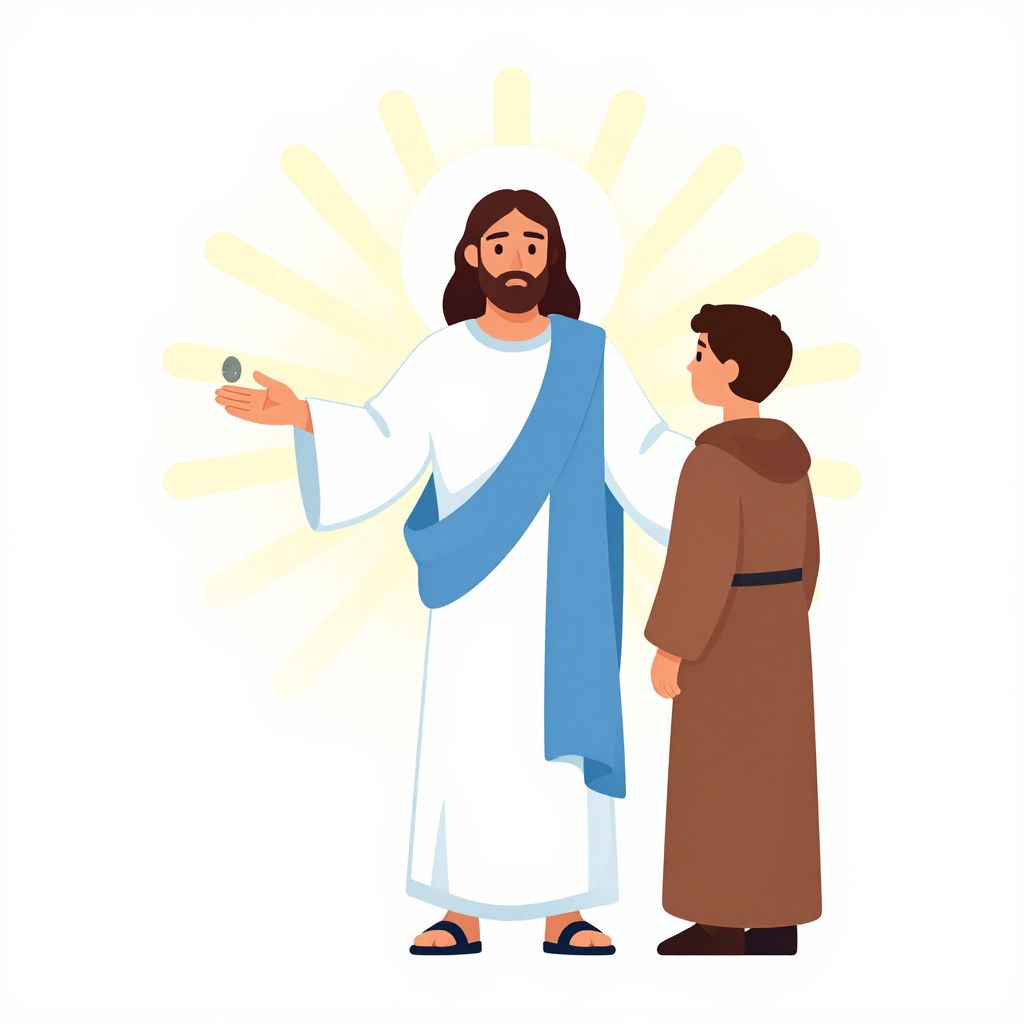
Have you ever felt that your identity is tied to past mistakes or labels? Many people struggle to break free from the definitions others place upon them. In the Bible, Jesus encounters Simon and gives him a new name — Peter, meaning “rock.” This name change signifies more than just a title; it illustrates a profound transformation in Simon’s life and mission.
This article explores the deeper meaning behind why Jesus renamed Simon to Peter and why this matters profoundly for every believer. Through Scripture, we will uncover the significance of the name change and what it reveals about God’s work in us.
Why Did Jesus Rename Simon To Peter?
Jesus renamed Simon to Peter to signify a radical transformation and the foundational role Peter would have in establishing the early Church. By changing Simon’s name, Jesus affirmed his new identity in God’s plan and called him to be a steadfast leader among the disciples.
The Meaning Behind the Name Change
The name Simon means “he has heard.” This reflects Simon’s initial character and background. He was one of the fishermen called by Jesus but still had many lessons to learn. When Jesus renames him Peter, which means “rock,” it denotes strength, stability, and a new purpose.
This shift in identity is significant. Jesus sensed Peter’s potential and saw the heart of someone who would later become a pillar in the Church (Matthew 16:18). How often do we overlook potential in ourselves or others due to past identities? Jesus always sees what we can become.
Scriptural Context of the Name Change
In Matthew 16:13-20, Jesus asks his disciples, “Who do people say the Son of Man is?” After Peter’s remarkable declaration that Jesus is “the Messiah, the Son of the living God,” Jesus responds by saying, “Blessed are you, Simon son of Jonah, for this was not revealed to you by flesh and blood, but by my Father in heaven.”
Jesus then declares, “And I tell you that you are Peter, and on this rock I will build my church.” This metaphorical use of “rock” illustrates the faith Peter would provide as a foundation for the Church. How might God be calling you to become a rock for someone else in their faith journey?
What Does the Name Change Teach Us About Identity?
The renaming of Simon to Peter teaches us profound truths about our identity in Christ. Jesus acknowledges our past but also speaks to our potential. When we accept Christ, we receive a new identity that centers on His purpose rather than our failures.
Your New Identity in Christ
We are not defined by our past mistakes. 2 Corinthians 5:17 tells us, “Therefore, if anyone is in Christ, the new creation has come: The old has gone, the new is here!” This promise assures us that Jesus gives us a fresh start.
Consider these aspects of our identity in Christ:
- We are children of God (1 John 3:1).
- We are co-heirs with Christ (Romans 8:17).
- We are members of Christ’s body (1 Corinthians 12:27).
How does claiming your new identity in Christ change how you approach challenges in your life? Knowing who you are in Him empowers you to respond to difficulties with faith rather than fear.
The Role of Faith in Identity Transformation
Peter’s transformation is rooted in faith. Jesus stated that Peter’s recognition of Him as the Messiah wasn’t simply intellectual; it was spiritual revelation. Faith anchors our identity in God, allowing us to step into the fullness of what He calls us to be.
Even after Jesus renamed him Peter, the journey wasn’t always easy for him. He faced doubts, weaknesses, and failures, yet God used those experiences to shape him. Peter eventually confessed his love for Jesus and became a vital leader after the Resurrection (John 21:15-17). How do we respond to moments of weakness or doubt in our own journeys?
The Implications of Peter’s Leadership
Peter’s role as a leader in the early Church exemplifies how God transforms us not just for our sake but for the sake of others. When Jesus renamed Simon, He appointed him for a purpose greater than himself.
Building the Church
In Matthew 16:18, Jesus says, “And I tell you that you are Peter, and on this rock I will build my church.” This declaration reveals a divine blueprint for how God works through His people. Peter would be instrumental in the inception of the early Church as he preached at Pentecost and facilitated the spread of the Gospel.
How might God be calling you to be involved in building His Church today? Every believer has a role to play in sharing the Good News and serving others in love.
Peter’s Example of Resilience
Peter teaches us about resilience and redemption. Even after denying Jesus three times, he was restored (John 21:15-19). This illustrates that failures do not disqualify us. Jesus redeems our failures to help us grow and mature.
Are there areas in your life where you feel disqualified due to past failures? God specializes in taking the broken pieces of our lives and creating a beautiful mosaic that reflects His glory.
How to Embrace Your New Identity
Embracing your new identity in Christ requires intentional actions. Jesus changed Simon’s name to Peter, but it was through relationship, communication, and obedience that Peter became the leader he was destined to be.
Steps to Embrace Your New Identity
Consider these practical steps:
- Spend time in prayer to understand what God says about your identity.
- Read Scriptures that affirm your new identity in Christ.
- Surround yourself with a supportive community that encourages your growth.
As you engage in these steps, ponder this: what aspect of your identity in Christ resonates most deeply with you? Allow that knowledge to shape how you live.
Walking in Your New Purpose
Peter’s renaming highlights not just a change of name but the unveiling of his purpose. God has a calling for each believer beyond where we currently find ourselves.
Living out this purpose involves active faith, pursuit of knowledge, and engagement with others. It reminds us that every act of service, every conversation, and every prayer counts in God’s economy.
The Enduring Impact of Peter’s Transformation
Peter’s transformation and leadership continue to impact the Church today. He wrote letters that are now part of Scripture (1 Peter, 2 Peter). His life exemplified the grace and strength that Jesus offers to all of us.
Learning from Peter’s Letters
Peter’s letters provide practical instruction and encouragement for Christians. He emphasizes the importance of living with hope and engaging in good works (1 Peter 1:13-16). These remain relevant for believers in any time and place.
How can you incorporate Peter’s teachings into your daily life? Consider practical applications of his encouragement to live out your faith authentically.
Legacy of Faith as a Foundation
Peter’s legacy serves as a foundation for the Church. His journey from Simon to Peter illustrates that God can use anyone with a willing heart. It invites us to reflect on our potential impact.
What legacy do you wish to leave behind? Each decision and action today will contribute to that legacy. Make your choices with eternity in mind.
As we reflect on the significance of Jesus renaming Simon to Peter, we are reminded that our identity in Christ is not limited by our past but is expansive in the possibilities God offers. Embrace your new name, your new identity, and step boldly into the purpose He has laid before you.
Understanding what it means to be a new creation invites others to experience that same transformation. When you grasp that you are not just a collection of your past failures but a beloved child of God, you can reach out to others with genuine compassion.Groups who reflect this understanding create communities of faith where everyone’s story matters.
Explore more faith-based topics and articles that can enrich your faith journey. You can learn more about who Simon Peter was in the Bible or discover what Jesus said about Israel. Each piece adds depth to the beautiful narrative of God’s redemptive work.