
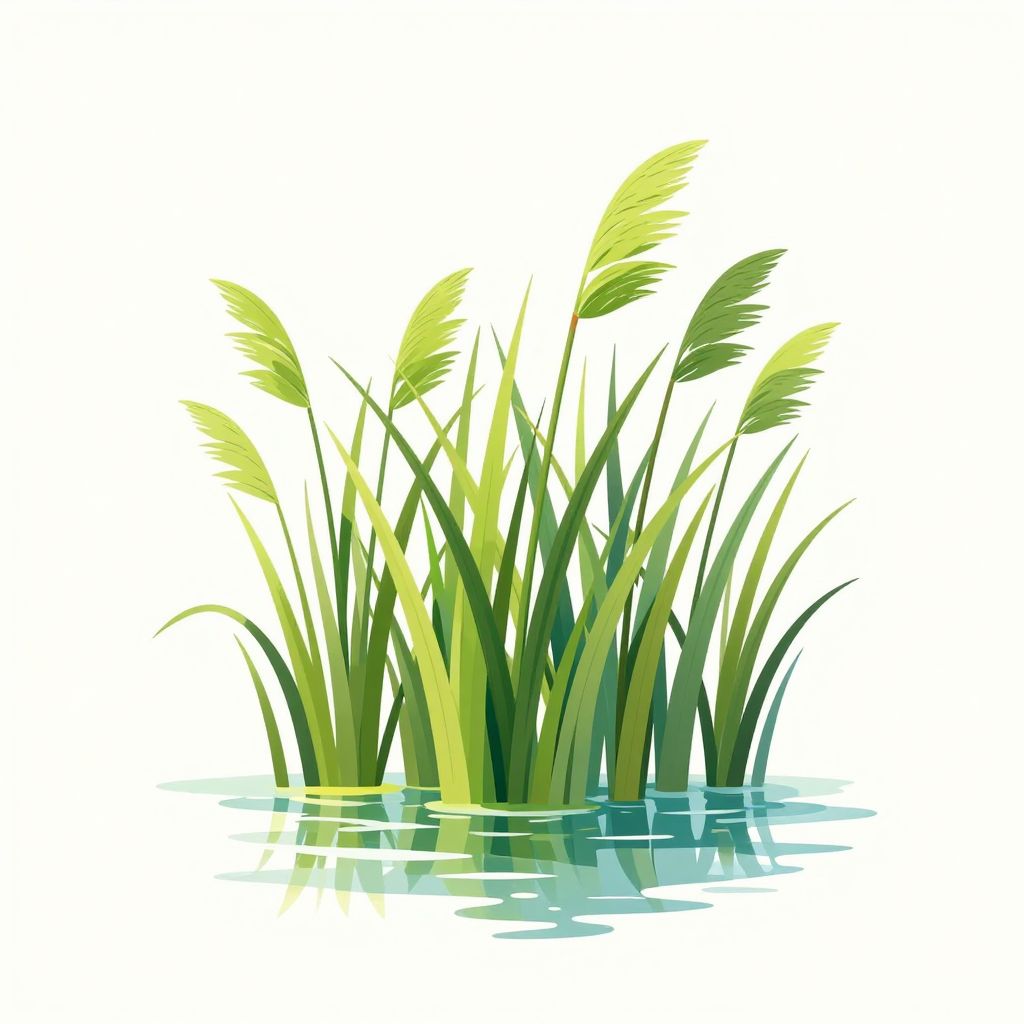
Have you ever felt overwhelmed by the shifting opinions and pressures around you? In times of uncertainty, it’s easy to feel like a reed swaying in the wind, vulnerable and uncertain. Scripture often uses simple yet profound imagery to convey deep truths. One such image is that of a reed, rich with spiritual significance and lessons for our lives.
This article will explore the meaning of a reed in the Bible, showing how this humble plant symbolizes qualities like dependence, resilience, and the call to trust God amidst life’s storms.
What Is A Reed In The Bible?
A reed in the Bible typically symbolizes weakness or frailty, but it can also signify resilience and adaptability. In passages like Matthew 11:7, Jesus asks whether people went to see a reed shaken by the wind, underscoring the contrast between something unstable and a strong faith. The imagery conveys God’s desire for His followers to be rooted in Him and not easily swayed by external pressures.
The Biblical Context of Reeds
To understand reeds in the biblical context, one must recall their physical characteristics and the environments they thrive in. Reeds grow near water, often in wetlands or marshy areas. They bend but don’t break easily, offering protection and habitat to various wildlife. These features yield rich symbolism in Scripture, from weakness to resilience.
Numerous biblical references illustrate the symbolism of reeds. In Isaiah 42:3, the prophet writes, “A bruised reed He will not break, and a smoldering wick He will not snuff out.” This prophetic declaration points to the gentle care and compassion of God. He nurtures those who feel broken and lost.
In the gospels, Jesus uses the imagery of a reed to draw attention to the fickle nature of public opinion. In Matthew 11:7, He asks, “What did you go out into the wilderness to see? A reed swayed by the wind?” This statement serves to emphasize the strength of true faith, contrasting unsteady beliefs with a firm commitment to God.
Reeds as Symbols of Dependence
Reeds highlight a fundamental biblical truth: our dependence on God. Just as a reed bends to the winds, we must yield ourselves to God’s will. When we feel small and fragile, we can rest assured that God is with us, guiding us through challenging times.
Consider your own life. In which areas do you struggle to rely on God? Is it in decisions about family, work, or health? Reflect on how surrendering these concerns to Him could transform uncertainty into peace.
Resilience and Adaptability
Although reeds represent vulnerability, they also embody resilience. A reed may bend, but it does not snap. Similarly, when challenges arise, Christians can demonstrate strength by staying connected to God. The steadfast nature of a reed teaches us to stand firm in our faith despite difficulties.
James 1:2-4 encourages believers to embrace trials: “Consider it pure joy, my brothers and sisters, whenever you face trials of many kinds.” Trials refine our character, strengthening our faith much like the way a reed bends yet remains unbroken. How can you see your current trials as a source of growth?
Reeds in Worship and Community
In biblical times, reeds were also used to make musical instruments, flutes, and even writing materials. Their versatility reflects the creativity and resourcefulness God instilled in His creation. Likewise, Christianity invites us to explore our gifts and talents, bringing them forth to glorify God.
As a community, the church embodies various strengths and weaknesses, just like a field of reeds. When surrounded by fellow believers, we can support one another, ensuring we do not break under life’s pressures. How can you use your unique abilities to serve and uplift your community?
God’s Gentle Care
Isaiah 42:3 illustrates God’s caring nature. When He references a bruised reed, He expresses His desire to nurture and restore the brokenness within us. No matter how frail we may feel, God does not turn away; He draws nearer.
Understanding God’s Character
God’s character shows gentleness and compassion, evident in how He interacts with His creation. Like a gardener tending to delicate plants, He nurtures our spirits and supports our growth. This gentle care invites us to respond in trust and faith.
If God cares for a bruised reed, how much more does He care for you? Allow this reality to shape your understanding of love and acceptance. God invites you to rest in His arms, healing and restoring your heart.
The Call to Trust
Seeing ourselves in the metaphor of a reed challenges us to stay rooted in faith even when stormy winds blow. Trusting God makes all the difference. Psalm 125:1 reminds us that “those who trust in the LORD are like Mount Zion, which cannot be shaken but endures forever.”
Action and reflection are key elements of faith. What steps can you take to root yourself deeper in God? Consider dedicating time to prayer, diving into Scripture, or engaging with supportive community members.
The Reed and Spiritual Growth
Just as a reed sways with the gusts of wind, so too do our spiritual lives evolve through experiences and trials. Growth often emerges from discomfort, leading to a more profound reliance on God.
Spiritual Maturity Through Trials
James 1:12 states, “Blessed is the one who perseveres under trial because, having stood the test, that person will receive the crown of life that the Lord has promised to those who love him.” This promise reflects the fruit of enduring hardships, forging character in our spiritual walk.
The next time you face adversity, reflect on how it can serve as fertile ground for your growth. Consider journaling your experiences, noting how God moves within challenges.
Bending, Not Breaking
The image of a reed also reminds us that bending does not imply weakness. Students of Scripture know that meekness is strength under control. Jesus embodied this in Matthew 5:5, saying, “Blessed are the meek, for they will inherit the earth.” Meekness does not equate to weakness; instead, it demonstrates humble strength.
Do you feel like bending to accommodate life’s circumstances? Use this opportunity to strengthen your reliance on God, embodying meekness and grace.
Practical Applications of the Reed Imagery
How can you apply the symbolism of reeds in your daily life? Here are some practical steps:
- Engage in prayer: Speak with God about areas where you feel weak or frail.
- Reflect on Scripture: Focus on passages like Isaiah 42:3 and Matthew 11:7 to internalize God’s care and strength.
- Join a community: Surround yourself with fellow believers who will support you through challenges.
- Embrace trials: Recognize that difficult situations often lead to growth and deeper faith.
- Practice humility: Acknowledge your dependence on God and trust His guidance.
The image of a reed invites resilience, dependence, and community support into our spiritual journeys. Each day, seek ways to embody these principles.
The Final Reflection
As we conclude this exploration of reeds in the Bible, consider what it means to live as a “reed” in faith. Remember that God nurtures and tends to every part of your life. You can stand firm, growing from your experiences while remaining adaptable to His will.
Take a moment to pause and ask yourself: What might God be asking you to bend toward Him today? Is it your worries, relationships, or ambitions? Lean into His care and trust that He will hold you steady.
If you feel insignificant like a reed, remember that God’s kingdom values every soul and sees strength in what the world deems weak. Allow God to fortify you so that, even when life gets tumultuous, you shall not be shaken but will stand tall in His love.
Perhaps you seek more answers and insights. Explore the meaning behind a satrap in the Bible or learn about unleavened bread to deepen your understanding of biblical truths further.